2 dead, 9 injured in pharma unit explosion in Telangana
Source Entity
Nikhila Henry
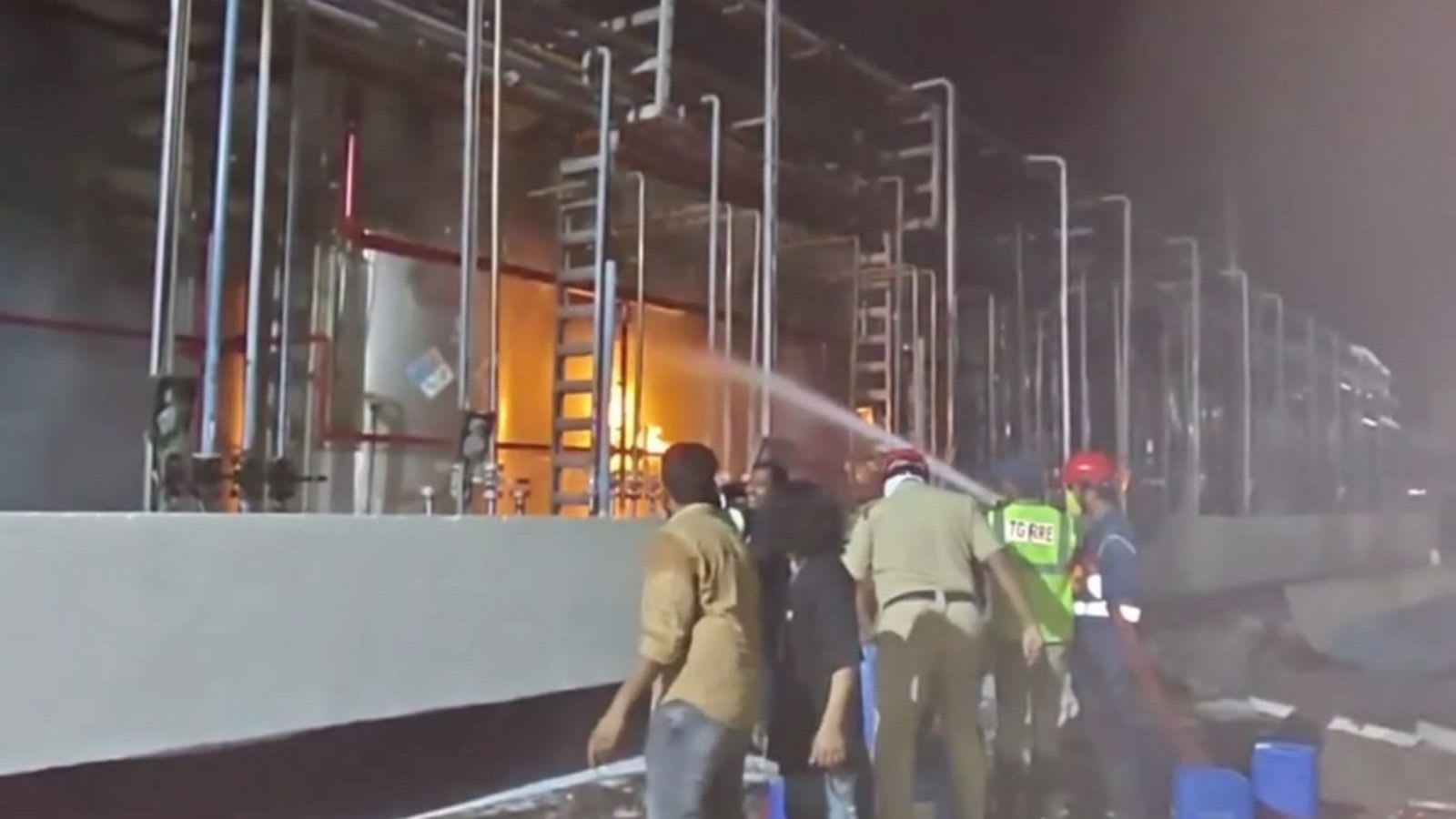
A reactor blast at a pharmaceutical unit in Telangana's Yadadri Bhuvanagiri district resulted in two deaths and multiple injuries. Authorities have launched an investigation into the incident, which occurred late Friday night.
Reactor Blast at Telangana Pharma Unit: A Critical Incident Analysis
Overview of the Tragedy
A tragic industrial incident occurred late on Friday, August 21, 2026, when a reactor blast ripped through a pharmaceutical manufacturing facility in the Yadadri Bhuvanagiri district of Telangana. The explosion, which took place in the Pochampally mandal, resulted in the loss of two lives and left several others injured. The facility, identified as Hazelo Lab, is involved in the production of Active Pharma Ingredients (API) and bulk drug intermediates.
Immediate Impact and Response
The blast, which occurred during a shift change, triggered a significant fire that sent plumes of thick smoke into the night sky, causing panic among local residents near Anthammagudam village. Emergency services, including the Fire Department, were dispatched rapidly to the scene. According to local police reports, the fire was brought under control within approximately 20 minutes, preventing further escalation of the blaze. Nine individuals sustained injuries, with two victims reportedly suffering from severe burns exceeding 50 percent, necessitating specialized medical care.
Industrial Safety Concerns
This incident highlights the inherent risks associated with the pharmaceutical manufacturing sector, particularly in regions like Telangana that serve as major hubs for bulk drug production. Reactor vessels in these plants often operate under high pressure and temperature to synthesize chemical compounds. Any failure in pressure regulation, mechanical fatigue, or human error during chemical handling can lead to catastrophic explosions. The proximity of the plant—approximately 50 km from Hyderabad—underscores the need for rigorous safety audits for industrial units operating near populated areas.
Regulatory and Investigative Context
Authorities have initiated a formal investigation to determine the root cause of the explosion. Police have registered a case to examine potential lapses in safety protocols or maintenance standards at the Hazelo Lab facility. Regulatory filings with the State Level Environmental Impact Assessment Authority indicate that the facility operates under specific industrial guidelines; investigators will likely scrutinize whether these mandates were being strictly followed at the time of the blast.
Broader Implications and Future Trends
The recurring nature of industrial accidents in chemical and pharmaceutical zones remains a pressing concern for the state administration. As Telangana continues to expand its footprint as a global pharma capital, the pressure to maintain high-speed production cycles must be balanced with the implementation of advanced automated safety monitoring systems. Future trends suggest that the state will likely face increased scrutiny regarding industrial safety compliance, potentially leading to stricter environmental and safety clearance requirements for pharma units.
Conclusion
The explosion at the Pochampally unit serves as a somber reminder of the human cost associated with industrial operations. As the investigation proceeds, the focus will remain on identifying the technical failures that led to the reactor blast and ensuring that survivors receive adequate treatment. This event will undoubtedly necessitate a comprehensive review of safety culture within the regional pharmaceutical sector to prevent similar tragedies in the future.