‘Adversarial clothing’: are garments designed to confuse facial recognition systems about to go mainstream?
Source Entity
Amelia Hill
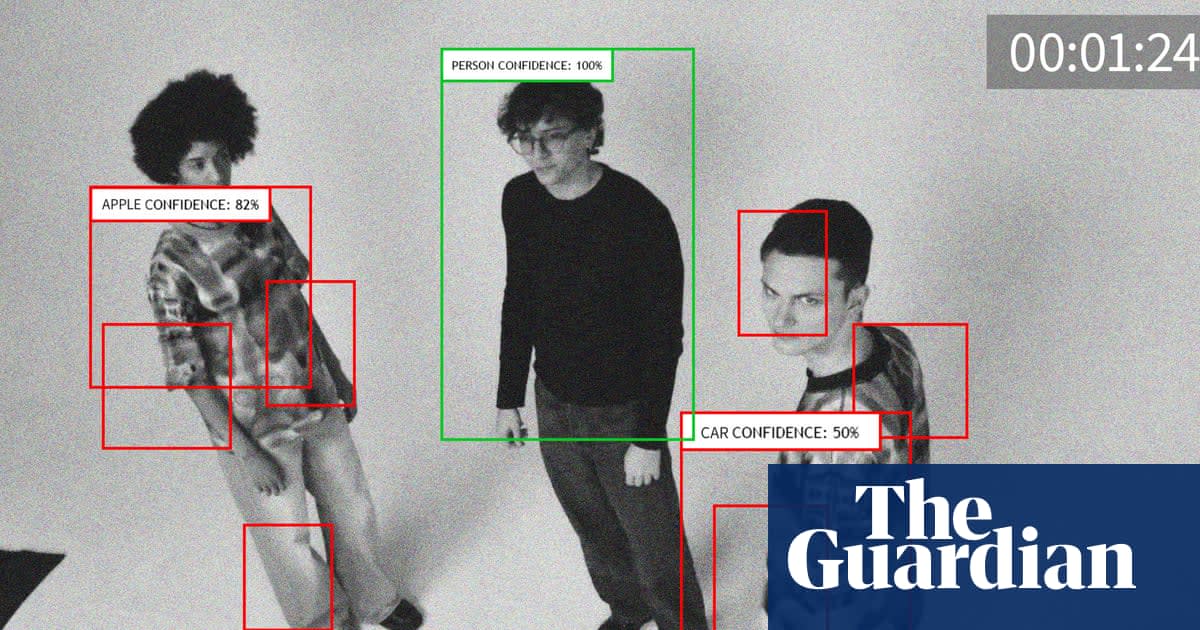
Designers are increasingly incorporating 'adversarial patterns' into clothing to disrupt facial recognition systems. This emerging fashion trend aims to blend personal privacy with aesthetic style as surveillance technology becomes more prevalent in public spaces.
The Rise of Privacy-Focused Fashion
As facial recognition technology becomes increasingly ubiquitous in public spaces across Britain and beyond, a novel intersection between fashion and cybersecurity has emerged. Companies like Cap_able and Urban Privacy are now pioneering "adversarial clothing," which utilizes specific geometric patterns, colors, and motifs designed to exploit the vulnerabilities inherent in computer vision systems. By confusing the algorithms responsible for identifying human features, these designers argue that they are providing a necessary layer of protection for individuals navigating modern, surveilled urban environments.
The Mechanics of Adversarial Patterns
The core technology behind these garments relies on manipulating how machine learning models interpret visual data. These "adversarial patterns" act as noise or decoys that prevent AI from successfully mapping facial landmarks or classifying a person’s identity. Rachele Didero, founder of Cap_able, notes that interest in these designs has surged significantly in recent years, reflecting a growing public anxiety regarding data privacy. According to industry voices like Daniel Preuß of Urban Privacy, the goal is to seamlessly integrate this "invisible protection" into high-end, striking fashion designs, making privacy a conscious stylistic choice.
Technological Viability and Market Potential
While the concept is gaining traction, the transition of adversarial clothing to the mainstream market is not without technical hurdles. Advances in computing power have undoubtedly made it easier to map these complex patterns onto textiles, yet experts remain cautious. The effectiveness of these garments is highly dependent on the specific type of surveillance system, lighting conditions, and the angle of the camera. Despite these variables, industry observers like Nick Tidball of Vollebak suggest that we are reaching a tipping point where anti-surveillance gear could move from niche experimental art to a standard fashion category.
Broader Societal Implications
The emergence of this trend signals a broader cultural shift regarding the "right to be invisible" in a digital age. As public spaces become digitized, the clothing we wear is evolving from a mere expression of identity to a functional tool of resistance. This movement highlights a deepening tension between the convenience of biometric identification and the fundamental human desire for anonymity. By turning the body into a site of digital obfuscation, these designers are challenging the assumption that surveillance is an inevitable and unchallenged aspect of public life.
Future Trends in Surveillance Resistance
Looking ahead, the market for privacy-enhancing apparel is likely to expand as the public becomes more aware of how their biometric data is harvested. Future iterations of this technology may involve more sophisticated materials that remain effective against evolving AI models. As privacy concerns continue to dominate public discourse, it is highly probable that "adversarial clothing" will evolve into a broader category of personal security fashion, forcing a continuous cat-and-mouse game between privacy advocates and surveillance developers. The fusion of aesthetic self-expression and digital defense represents a significant milestone in how we negotiate our presence in the modern world.