Agricultural workers’ body seeks lease payments, plots for assigned landowners in Amaravati
Source Entity
India Latest News: Top National Headlines Today & Breaking News | The Hindu
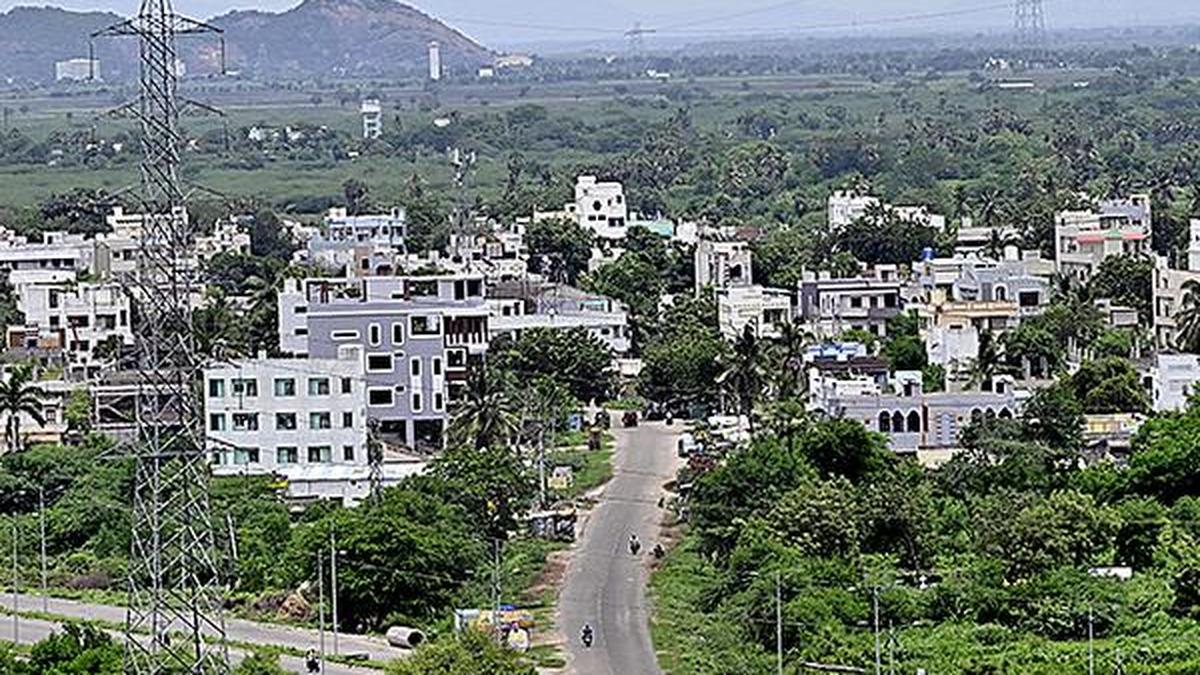
The Andhra Pradesh Agricultural Workers’ Union is demanding lease payments and land allotments for Dalit farmers whose assigned lands were acquired for the Amaravati capital project. They argue these workers are entitled to the same benefits as patta landowners under the 2013 Land Acquisition Act.
The Struggle for Equity in Amaravati’s Capital Development
The Andhra Pradesh Agricultural Workers’ Union has recently brought to light a significant grievance regarding the ongoing development of Amaravati, the state's capital. By demanding immediate lease payments and the allocation of residential and commercial plots for those who surrendered their assigned lands, the union is highlighting a critical disparity in how land acquisition benefits are distributed among the state’s most vulnerable populations.
The Impact on Marginalized Communities
Central to this issue is the status of nearly 1,800 acres of assigned land. According to the union’s leadership, including State president D. Ramadevi and general secretary K. Lokanadham, the vast majority of those impacted by this acquisition are from Dalit and weaker socio-economic sections. These individuals rely heavily on these specific land plots for their livelihoods, and the delay in receiving promised compensation or alternative land allotments exacerbates their existing economic precarity.
Legal Framework and Rights
At the core of the union’s argument is the 2013 Land Acquisition Act. The union asserts that this legislation explicitly mandates that assigned landowners be granted rights and benefits equivalent to those holding formal patta (title) deeds. By drawing on this legal framework, the union is challenging the state’s current administrative approach, which appears to differentiate between types of land ownership in a way that disadvantages those with assigned land.
Challenges in Land Pooling and Acquisition
The complexity of the Amaravati project, which has faced various political and administrative hurdles since its inception, is further complicated by these land disputes. Whether the land was obtained through traditional acquisition or the state’s specific land pooling schemes, the union maintains that the moral and legal obligation to the original tillers remains constant. The demand for both annual lease payments and plot allotments reflects a need for a more transparent and equitable compensation structure.
Broader Implications for Social Justice
This situation serves as a microcosm for the broader challenges of urban development in India, where state-led infrastructure projects often intersect with the rights of agrarian workers. When marginalized communities are expected to sacrifice their land for the 'greater good' of a capital city, the failure to provide adequate, timely, and equal compensation risks deepening social inequalities. The union’s public statement acts as a pressure point, forcing the government to reconcile its development goals with its legal obligations toward the landless and the poor.
Conclusion
As the situation in Amaravati evolves, the government's response to these demands will be a critical indicator of its commitment to social justice. Ensuring that Dalit and weaker sections are treated with parity under the 2013 Land Acquisition Act is not merely a matter of bureaucratic process; it is a fundamental requirement for inclusive development. Moving forward, the state must prioritize resolving these outstanding claims to ensure that the construction of the capital does not come at the cost of the dignity and livelihood of its most vulnerable citizens.
Verification Required?