Protest outside TCS office near Hyderabad after employee denied entry over dress code
Source Entity
SHREEDHAR RATHI
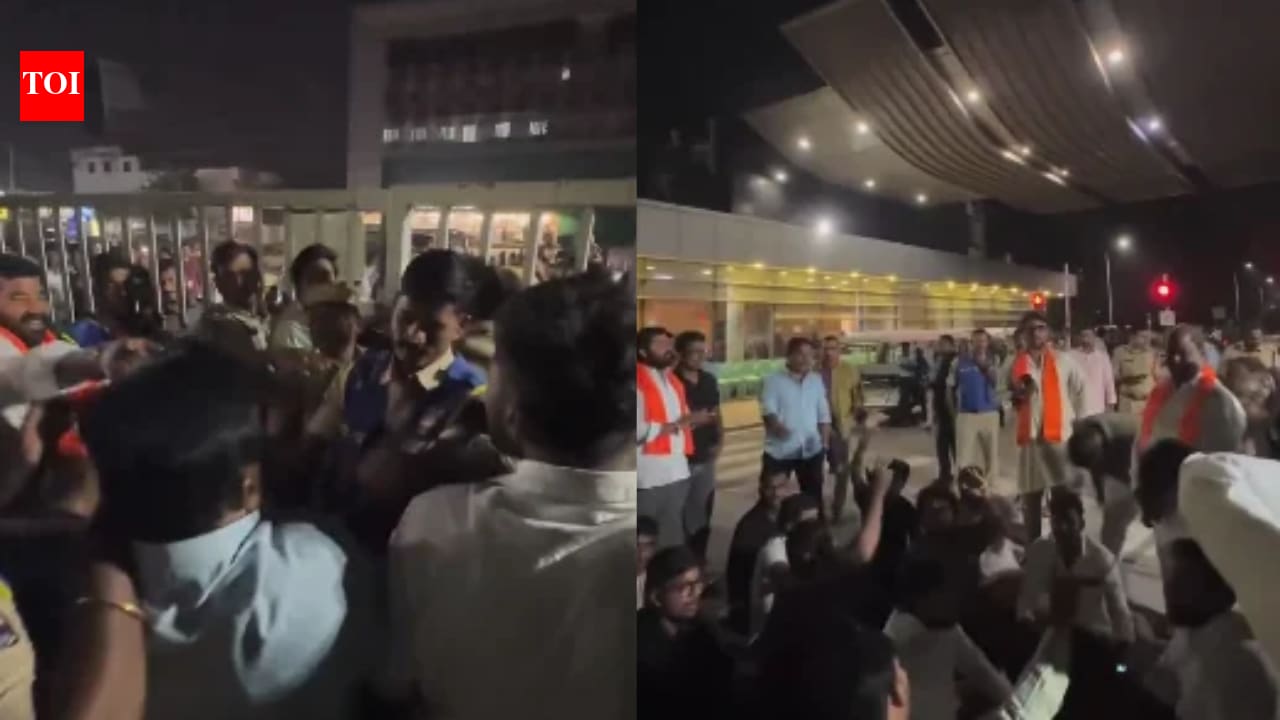
A large group of Ayyappa devotees protested outside a TCS office in Adibatla, Telangana, after an employee was denied entry for his religious attire. Police are currently investigating the incident and managing the situation to maintain public order.
Tensions Rise Over Religious Observance in Corporate Spaces
A significant protest erupted outside a Tata Consultancy Services (TCS) facility in Adibatla, Rangareddy district, as Ayyappa devotees gathered to voice their grievances against the company's management. The conflict stems from an incident where an employee, currently observing the Ayyappa Deeksha, was reportedly denied entry to the premises due to conflicts with the company's established dress code policy. This event highlights the growing friction between corporate workplace mandates and individual religious expressions.
The Conflict Between Policy and Faith
The employee involved in the incident claims to have proactively communicated his religious requirements to the management two months prior to the event. Ayyappa Deeksha involves a period of strict penance and specific attire, including the wearing of black clothes and, in some cases, the absence of footwear. When the company enforced its dress code standards, the resulting denial of entry sparked a public backlash, drawing a large crowd of supporters to the office gates to demand an explanation and accommodation for the employee's religious practices.
Escalation and Law Enforcement Involvement
As the protest grew in intensity, local law enforcement agencies were deployed to the Adibatla site to manage the crowd and prevent the situation from escalating into violence. Police officials have confirmed they are actively investigating the allegations made by the protesters. The role of the police here is twofold: maintaining public order in a high-traffic IT corridor and verifying the claims regarding whether the company's dress code policy was applied in a discriminatory manner or if it was a standard procedure for security and safety reasons.
Broader Implications for Corporate India
This incident serves as a microcosm of the challenges faced by large multinational corporations operating within the culturally diverse landscape of India. Balancing professional uniformity with the accommodation of religious traditions is a complex task for HR departments. The case brings to the forefront the necessity for clear, communicated policies that account for religious diversity, particularly during periods of intense spiritual observance that require specific lifestyle changes.
Historical Context and Future Trends
Historically, IT hubs like Hyderabad have often managed the intersection of global corporate standards and local cultural norms without significant public discord. However, as religious observances become more visible in the workplace, companies may need to revisit their internal policies to ensure they are inclusive without compromising operational safety. Future trends suggest that corporations will face increased pressure to create transparent protocols regarding religious attire, likely leading to a shift toward more flexible dress codes that accommodate faith-based practices while maintaining professional standards.
Conclusion
The protest at the Adibatla TCS office underscores the importance of dialogue between employers and employees regarding religious accommodation. As the police continue their inquiry, the outcome of this situation will likely influence how IT firms in the region navigate similar requests in the future. Ensuring that corporate policies are both clear and adaptable is essential to preventing future tensions and fostering a workplace environment that respects both professional obligations and personal faith.