‘Barred’ from temples, an Ahmedabad community strives to keep a sacred art form alive, 9 generations later
Source Entity
The Indian Express
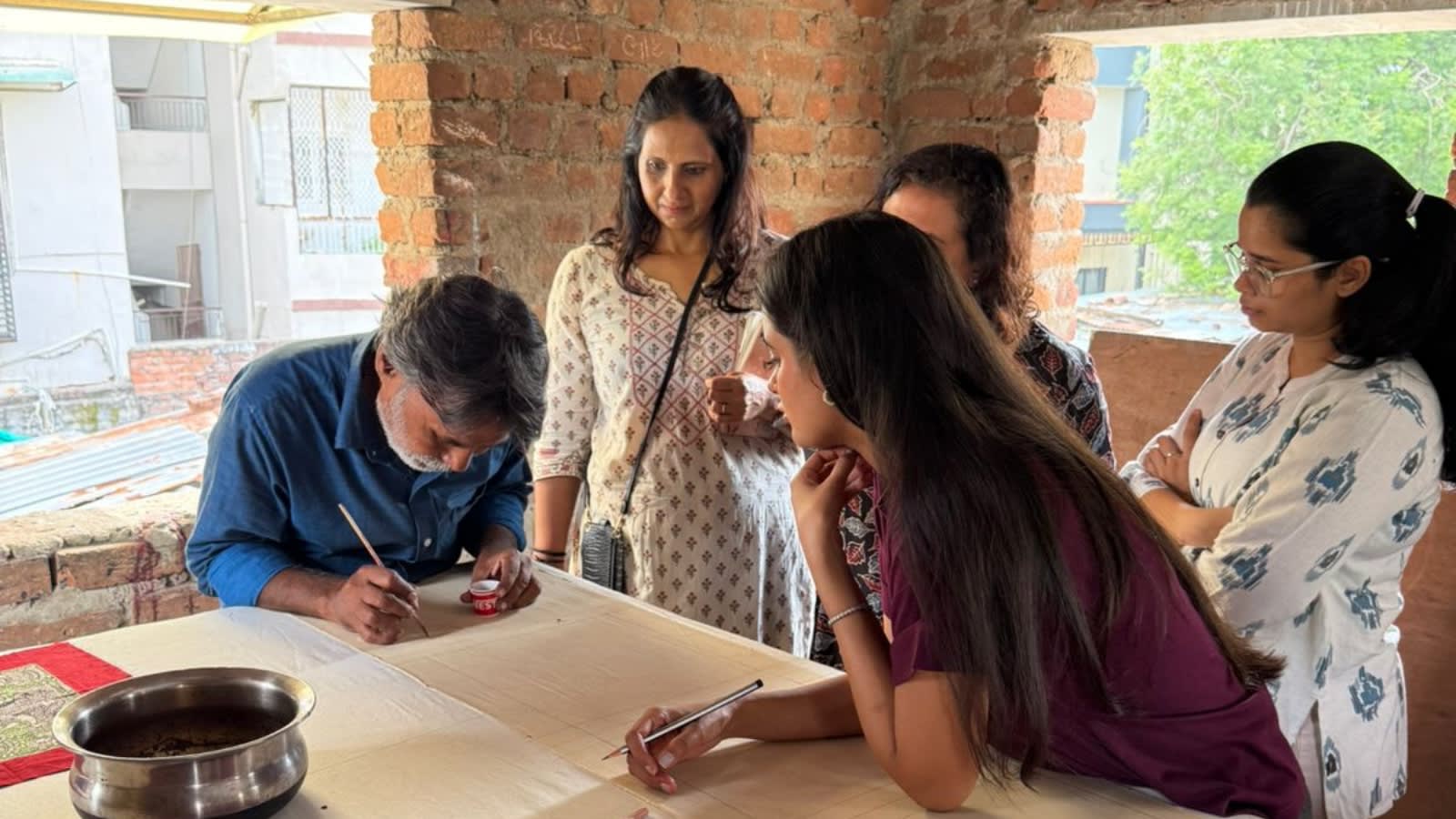
The Chitara community of Ahmedabad is preserving the 300-year-old art form of Mata ni Pachhedi. This sacred textile tradition emerged as a form of protest after the community was barred from entering temples.
The Resilience of Mata ni Pachhedi
The story of the Chitara community in Ahmedabad is one of profound cultural endurance and artistic defiance. For over 300 years, this community of Devipujaks—historically known as Vaghris—has kept the sacred art form of 'Mata ni Pachhedi' alive. Literally translating to 'Behind the Mother Goddess,' these intricate ritual textiles serve as portable shrines, allowing the community to worship despite historical barriers that prevented them from entering mainstream temples.
Origins in Protest
The genesis of Mata ni Pachhedi is rooted in social exclusion. Centuries ago, when the Chitara community was barred from entering certain temples, they did not abandon their faith. Instead, they transformed their marginalization into a creative act of devotion. By painting the Goddess Durga on fabric, they effectively brought the temple to themselves, creating a medium that was both a canvas for artistic expression and a vessel for spiritual communion.
A Generational Legacy
For 22-year-old Om Chitara, this art is more than a craft; it is a hereditary responsibility. As a ninth-generation artist, Om reflects the deep-seated tradition of the Chitara family, where skills are passed down through intimate domestic environments. Watching his father, Kiranbhai, work in a studio that doubled as a home, Om learned the meticulous processes of dyeing, drawing, and color application that define this unique aesthetic. This intergenerational transfer is vital for the survival of an art form that risks being lost in a rapidly modernizing world.
The Artistic Process
The creation of a Mata ni Pachhedi is a labor-intensive practice that demands precision and reverence. The artists use natural dyes and traditional drawing techniques to depict the Mother Goddess as the central theme. These pieces are not merely decorative; they are intended to be revered and worshipped, mirroring the sanctity of the idols found within traditional stone temples. The persistence of these techniques highlights a commitment to authenticity that has remained largely unchanged for centuries.
Broader Implications and Future Trends
Today, the survival of Mata ni Pachhedi represents a broader struggle for the recognition of folk and ritual arts. As urban landscapes in Ahmedabad shift and younger generations face the lure of modern professions, the pressure on specialized communities like the Chitaras to sustain their heritage becomes increasingly acute. However, the international and national appreciation for such indigenous art forms offers a path toward economic viability and cultural preservation.
Conclusion
The Chitaras stand as custodians of a living history. Their commitment to Mata ni Pachhedi is a testament to how art can serve as a bridge between social struggle and spiritual expression. By continuing to produce these sacred textiles, the community ensures that their history of exclusion is transformed into a legacy of inclusion and artistic triumph, securing their place in the diverse tapestry of Indian cultural heritage.