All About US Strike On An Iran Wedding That Killed 4, Including Children
Source Entity
NDTV News Search Records Found 1000
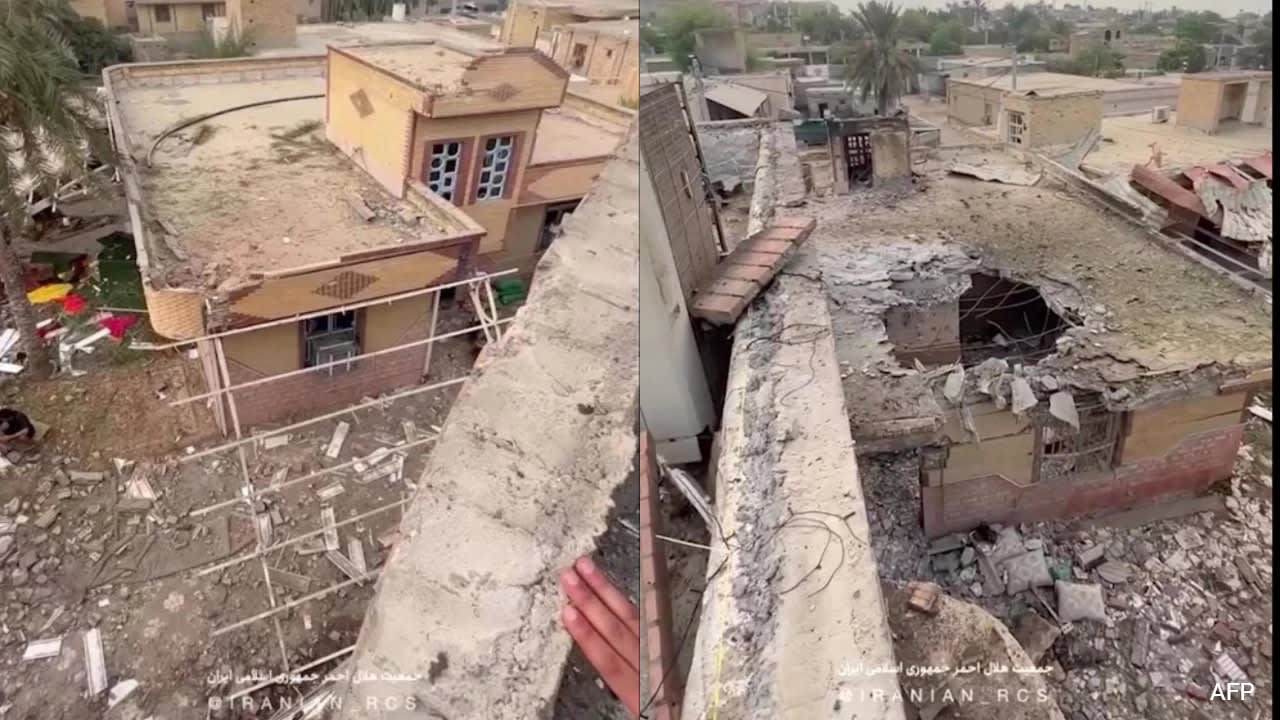
Reports from Iran indicate that recent US military strikes in Tehran and the Khuzestan province have resulted in 11 fatalities, including casualties at a wedding in Sirik. These events have significantly escalated regional tensions and military activity.
Escalating Tensions: Analysis of Recent Strikes in Iran
Recent reports originating from Iranian state media indicate a significant escalation in military hostilities, with claims that United States strikes have targeted multiple locations within Iranian territory. The incidents, which reportedly occurred in the southwestern province of Khuzestan and near the coastal town of Sirik, have resulted in a confirmed death toll of at least 11 individuals. These strikes mark a dangerous inflection point in the already fraught relationship between the two nations, raising critical questions regarding the nature of current military operations.
The Human Cost: Tragedies in Sirik and Beyond
The most harrowing element of these reports concerns the strike near a wedding gathering in Sirik. Visual evidence emerging from the scene depicts the chaotic aftermath of the impact, where civilian lives were reportedly lost. The intersection of military activity and civilian spaces, such as a wedding venue, fundamentally complicates the international legal and moral standing of such operations. By targeting areas where non-combatants congregate, these strikes have drawn immediate condemnation and fueled public outcry within Iran.
Strategic Implications in Khuzestan
The strikes in the Khuzestan province, a region historically significant due to its oil resources and strategic location, suggest a broader military objective beyond mere localized skirmishes. By expanding the scope of operations to include multiple provinces, these actions indicate a shift in the intensity of the ongoing military engagements. The loss of 11 lives across these sites serves as a grim indicator of the human cost associated with these tactical choices, potentially destabilizing the internal security of the region.
Historical Context and Regional Stability
This cycle of violence does not occur in a vacuum but rather within a long-standing history of proxy conflicts and geopolitical maneuvering in the Middle East. The current situation reflects a deepening of the "Iran-US War" narrative, where military posturing frequently transitions into direct kinetic action. The use of force against targets within sovereign Iranian territory challenges existing norms of international engagement and risks triggering a wider regional conflict that could involve neighboring states and global powers.
Future Trends and Diplomatic Hurdles
Looking ahead, these strikes are likely to harden the stance of Iranian leadership, who have already issued warnings regarding "unforgettable lessons" for the United States. As authorities in Iran continue to assess the damage and identify the victims, the probability of retaliatory measures increases. Without a de-escalation framework or diplomatic intervention, the trajectory of these events suggests a prolonged period of military volatility that threatens the stability of the entire Persian Gulf region.
Concluding Summary
The reported strikes represent a severe deterioration in bilateral relations. With 11 confirmed deaths and visual documentation of civilian impact in Sirik, the international community faces a complex crisis. The situation demands a careful review of the operational intelligence and strategic goals driving these strikes, as the current path appears to lead toward an unpredictable and dangerous escalation.
Multiple Citing Sources
Verification Required?