Kuwait fends off Iranian attack as Trump says renewed Mideast hostilities will not last 'too long'
Source Entity
US Top News and Analysis
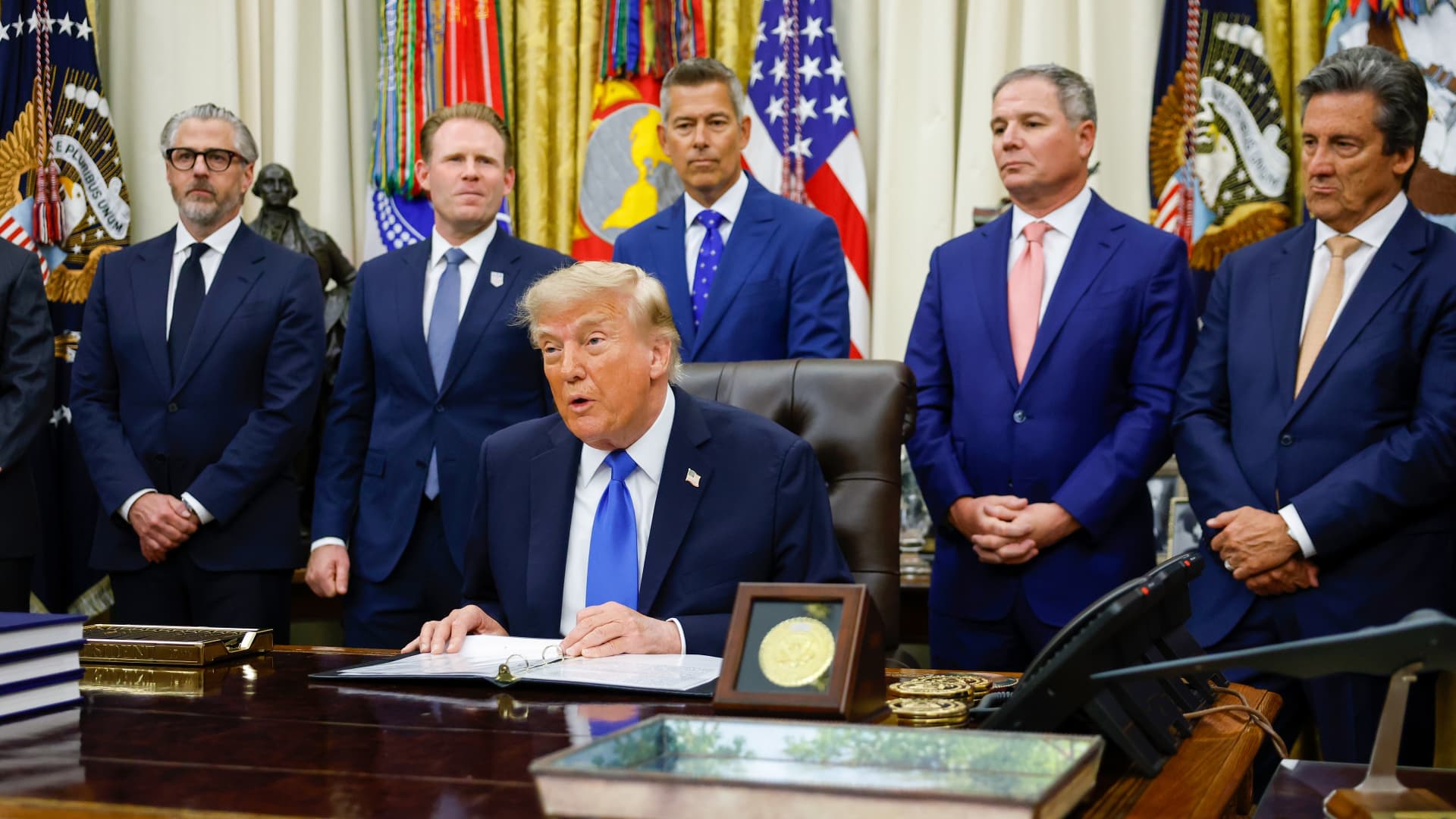
Kuwait's military is actively defending against Iranian missile and drone attacks following significant U.S. strikes. President Trump has expressed confidence that any renewed conflict with Iran will be short-lived.
Escalation in the Persian Gulf: Kuwait Under Fire
On Thursday, the geopolitical landscape of the Middle East shifted dramatically as Kuwait’s military announced it was actively confronting a series of hostile missile and drone attacks originating from Iran. This development marks a significant escalation in regional tensions, drawing Kuwait directly into the crossfire of a broader conflict involving the United States. The deployment of Kuwaiti air defense systems, which the government confirmed were responsible for the explosions heard by residents, underscores the precarious security environment currently gripping the Gulf states.
The U.S.-Iran Conflict Context
The current hostilities are intrinsically linked to the recent military actions taken by the United States. On Tuesday, the U.S. launched what President Donald Trump described as a “very heavy attack” against Iranian targets. This move appears to be the primary catalyst for the retaliatory measures currently being directed at regional allies like Kuwait. The situation highlights the volatile nature of proxy dynamics in the region, where a direct confrontation between superpowers quickly cascades into threats against neighboring sovereign nations.
Presidential Outlook and Strategic Projections
President Donald Trump, speaking from the White House on Wednesday, offered a confident assessment of the conflict’s trajectory. By stating that the hostilities “will not last too long” and questioning how much more pressure Iran can sustain, the President signaled a belief in the efficacy of U.S. military strikes to rapidly neutralize Iranian capabilities. This rhetoric suggests a strategy focused on high-intensity, short-duration engagement rather than a protracted regional war, though the reality on the ground in Kuwait suggests a more immediate and disruptive threat to regional stability.
Regional Security and Public Safety
The Kuwaiti government’s response has been focused on public safety and information management. By urging residents to strictly follow security instructions, the state is attempting to manage the psychological and physical impact of the ongoing interceptions. The acknowledgment that the audible explosions were the result of successful air defense operations serves both to explain the disruption to the public and to demonstrate the operational readiness of Kuwait’s defensive infrastructure.
Long-term Implications for Gulf Stability
Looking forward, the persistence of these attacks raises critical questions about the security architecture of the Persian Gulf. If Iran continues to utilize missile and drone capabilities to strike at nations perceived as aligned with U.S. interests, the regional security apparatus will face immense pressure. The ability of countries like Kuwait to maintain these defensive postures will dictate the level of volatility in the coming days. As the U.S. monitors the situation, the international community remains focused on whether the conflict will indeed remain limited in scope as predicted by the White House, or if it will evolve into a deeper, more systemic regional crisis.