Civic body launches pilot project to cut noise pollution in Ahmedabad
Source Entity
Ritu Sharma
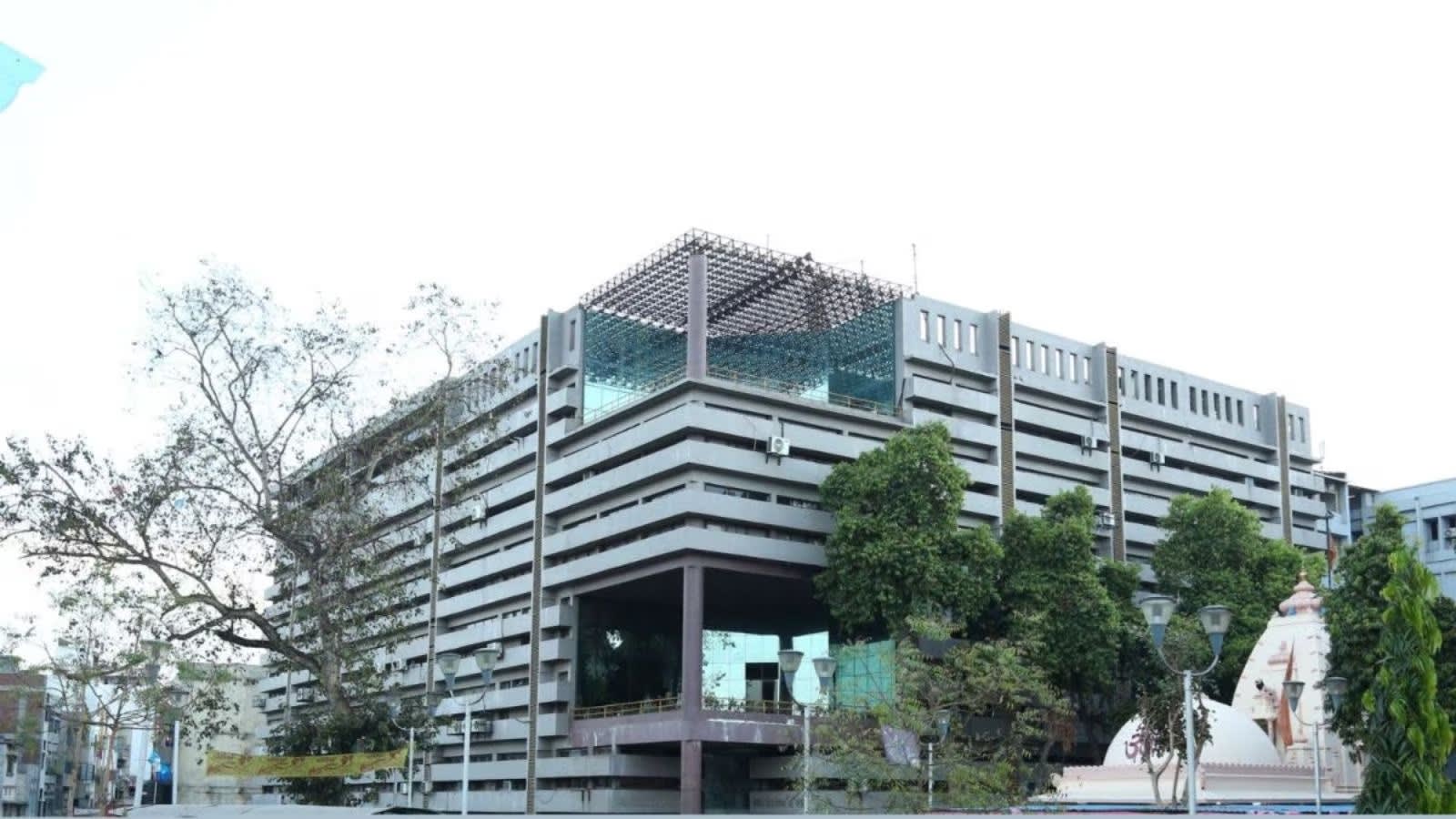
The Ahmedabad civic body has initiated a pilot project to reduce noise pollution by focusing on driver behavior. Moving beyond simple measurement, the project utilizes a system of feedback, restrictions, and incentives to encourage responsible honking habits among motorists.
Combating Urban Cacophony: Ahmedabad's Behavioral Approach to Noise Pollution
Ahmedabad, one of India's fastest-growing urban centers, has recently embarked on a pioneering pilot project aimed at mitigating the pervasive issue of noise pollution. While many cities attempt to tackle noise through sporadic enforcement or simple decibel monitoring, the Ahmedabad civic body has shifted its strategy toward a behavioral ecosystem. The core objective is not merely to record the levels of noise but to actively reshape the habits of drivers, recognizing that the culture of excessive honking is a deeply ingrained social behavior rather than a simple lack of awareness.
From Measurement to Behavioral Modification
For years, urban planning has relied on the 'detect and fine' model, which often fails in high-congestion environments where honking is used as a primary communication tool between drivers. The current project represents a paradigm shift by focusing on the psychology of the driver. By implementing a system that provides immediate feedback, the civic body is utilizing 'nudging' techniques—a concept in behavioral science where small changes in environment or information delivery lead to better decision-making. Instead of a delayed penalty, real-time feedback allows drivers to recognize their contribution to noise pollution as it happens, fostering a sense of immediate accountability.
The Ecosystem of Incentives and Restrictions
The project's design is comprehensive, integrating three primary levers: feedback, restrictions, and incentives. Feedback mechanisms likely involve visual or auditory cues that alert drivers when noise thresholds are exceeded. Restrictions may involve 'no-honking zones' in sensitive areas such as hospitals or schools, where enforcement is tighter. However, the most innovative aspect is the introduction of incentives. By rewarding drivers who adhere to noise guidelines, the city transforms a negative constraint into a positive goal. This approach is likely to be more sustainable than punitive measures alone, as it creates a social incentive to be a 'responsible citizen' rather than just avoiding a ticket.
Broader Public Health and Urban Implications
Noise pollution is often an overlooked public health crisis in Indian metros, contributing to increased stress levels, sleep disturbances, and cardiovascular issues among residents. In a densely populated city like Ahmedabad, the constant barrage of horns creates a high-stress environment for both pedestrians and motorists. By reducing the baseline noise level through this pilot, the city is essentially investing in the mental well-being of its populace. This initiative aligns with the broader 'Smart City' goals, where technology is not just used for infrastructure but to improve the quality of life and the overall livability of the urban environment.
Challenges in Implementation and Cultural Shifts
Despite the sophisticated design, the project faces the uphill battle of cultural inertia. In many Indian cities, honking is often used as an expression of frustration or a way to signal presence in blind spots. Changing this habit requires more than just a pilot project; it requires a sustained campaign of public education. The success of this initiative will depend on how effectively the civic body can communicate the benefits of a quieter city and whether the incentives provided are significant enough to outweigh the perceived necessity of honking in heavy traffic.
Future Trends and Scalability
If this pilot project proves successful in Ahmedabad, it could serve as a blueprint for other major Indian cities like Surat, Vadodara, or even larger metros like Mumbai and Delhi. The integration of IoT (Internet of Things) sensors and AI-driven behavioral analysis could allow for more granular data collection, enabling the city to identify 'noise hotspots' and deploy targeted interventions. We can expect a future where noise management is integrated into smart traffic management systems, where vehicle-to-infrastructure (V2I) communication helps reduce the need for honking by optimizing traffic flow and providing better lane guidance.
Conclusion
Ahmedabad's shift from a punitive approach to a behavioral ecosystem marks a sophisticated evolution in urban governance. By treating noise pollution as a behavioral challenge rather than a regulatory one, the civic body is addressing the root cause of the problem. While the road to a quieter city is long, the combination of real-time feedback and positive reinforcement offers a promising path toward a more serene and healthy urban existence.