Ahmedabad Rains: Schools, colleges shut as record rainfall brings city to a standstill
Source Entity
Ritu Sharma
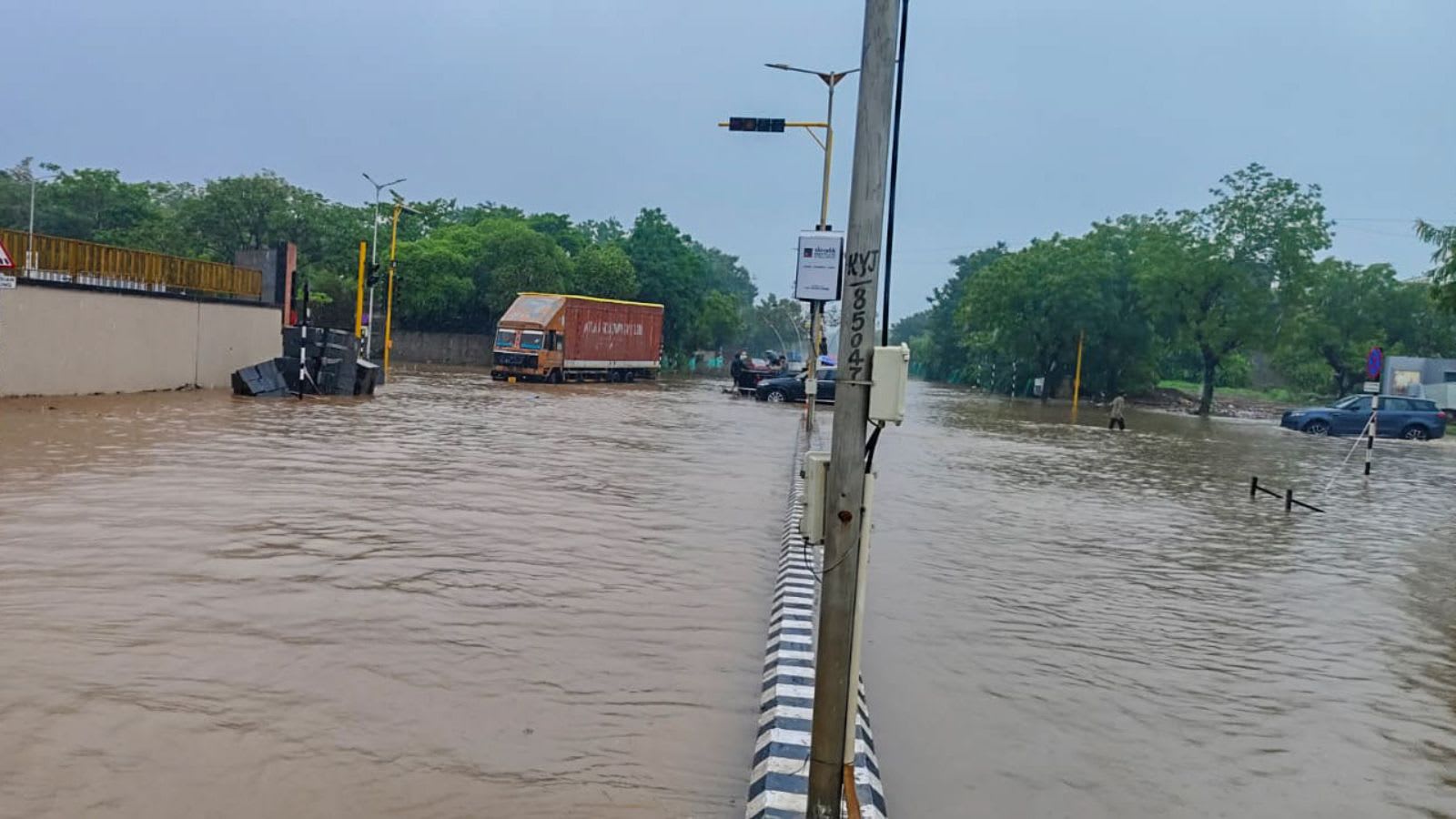
Ahmedabad faces severe flooding after recording 295 mm of rainfall in 24 hours, the city's fourth-highest single-day total ever. Authorities have shut educational institutions as residents in low-lying areas were forced to seek emergency rescue.
Ahmedabad Paralyzed by Record-Breaking Monsoon Deluge
Ahmedabad has been brought to a complete standstill following an unprecedented weather event that saw the city receive 295 mm of rainfall within a 24-hour window ending Friday morning. This meteorological phenomenon, confirmed by the India Meteorological Department (IMD), ranks as the fourth-highest single-day rainfall in the city's recorded history. The sheer intensity of the precipitation has overwhelmed the city's drainage infrastructure, leading to widespread urban flooding that has disrupted daily life and necessitated emergency intervention.
Impact on Infrastructure and Public Safety
The immediate aftermath of this deluge has been characterized by submerged roads, inundated residential societies, and the closure of critical transit underpasses. Many commuters were forced to abandon their vehicles—cars and two-wheelers alike—as water levels rose rapidly, leaving these stranded assets scattered across flooded thoroughfares. The safety risk posed by these conditions prompted the closure of all schools and colleges, reflecting the severity of the threat to public movement and health.
Emergency Response and Resident Displacement
The human cost of the flooding has been particularly acute in low-lying neighborhoods such as Sabarmati, Chharanagar, and Rabarivas. Residents in these areas were forced to contact the Ahmedabad Municipal Corporation (AMC) control room in the early hours of Friday as their homes were completely overwhelmed by water. In a desperate bid for survival, many families were forced to take refuge on their rooftops, awaiting rescue as the floodwaters breached their living spaces.
Meteorological Context and Historical Significance
To understand the gravity of this event, one must look at the historical data provided by the IMD. The 294.6 mm of rain recorded between Thursday and Friday morning represents the highest single-day rainfall intensity the city has seen since the year 2000, when a massive 325.9 mm was logged. This comparison underscores the rarity of such extreme weather patterns and highlights the vulnerability of the current urban layout to high-intensity monsoon events.
Future Implications and Urban Resilience
The ongoing crisis in Ahmedabad serves as a stark reminder of the challenges posed by extreme weather events in rapidly urbanizing Indian cities. As climate patterns become increasingly unpredictable, the necessity for robust urban planning, enhanced drainage capacity, and more effective disaster management protocols becomes paramount. The abandonment of vehicles and the emergency rescue of families from rooftops are indicators that existing infrastructure is struggling to cope with the increased frequency of high-volume precipitation events.
Conclusion
As the city attempts to recover from this historic rainfall, the focus will likely shift toward damage assessment and long-term infrastructure fortification. The events of this past Friday have tested the limits of Ahmedabad’s administrative response, highlighting both the resilience of its citizens and the urgent need for a modernized approach to urban water management. Moving forward, the city must integrate these extreme weather data points into its development strategies to prevent future occurrences from causing such widespread paralysis.