As semiconductor stocks slump, one AI-adjacent sector is thriving — and these are the stocks to buy
Source Entity
Jamie Chisholm
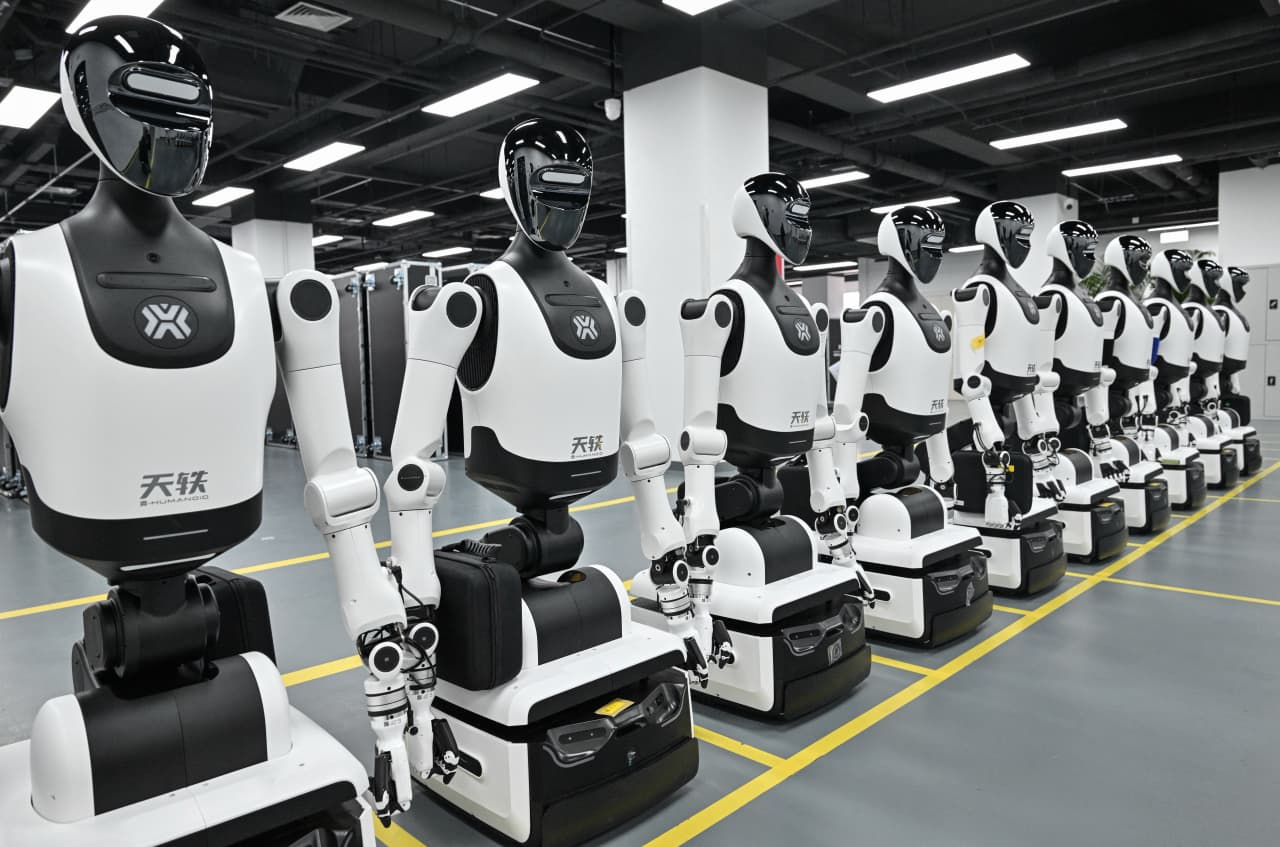
As semiconductor stocks face market volatility, investors are pivoting toward AI-adjacent sectors for growth. This shift highlights emerging opportunities beyond traditional chip manufacturing within the artificial intelligence ecosystem.
The Shifting Landscape of AI Investment
Recent market data indicates a notable cooling period for semiconductor stocks, a sector that has long served as the primary bellwether for the artificial intelligence boom. As valuations for major chipmakers face downward pressure due to cyclical demand concerns and supply chain saturation, investors are increasingly looking for secondary avenues to capitalize on the ongoing AI evolution. This shift represents a maturation of the investment landscape, moving from the 'picks and shovels' phase of hardware production to more nuanced, AI-adjacent opportunities.
Diversifying Beyond the Chip
While semiconductor companies have dominated headlines, the broader AI ecosystem relies on a complex web of infrastructure, software, and data management services. When semiconductor stocks slump, it often signals that the market is re-evaluating the unsustainable growth expectations placed on hardware manufacturers. By focusing on AI-adjacent sectors—such as data center energy management, specialized cloud infrastructure, and cybersecurity—investors can find value in companies that provide the essential scaffolding required to keep AI models operational and scalable.
The Role of Infrastructure and Energy
One of the most critical implications of the AI revolution is the massive demand for energy and physical infrastructure. AI models require unprecedented levels of computational power, which in turn places an enormous burden on electrical grids and cooling systems. Investors are increasingly viewing utility providers and energy-efficient cooling technology firms as the 'hidden' beneficiaries of AI. These companies provide the foundational support that allows AI hardware to function, creating a buffer for portfolios that are overly exposed to the volatility of chip manufacturers.
Software and Data Integration
Beyond physical infrastructure, the software layer represents a massive, untapped frontier for AI integration. Businesses are moving past the experimental phase of AI and into operational deployment, which creates a sustained demand for enterprise software that can integrate machine learning into existing workflows. Companies that focus on data hygiene, AI-driven analytics, and automated decision-making platforms are becoming the new focus for capital allocation. These firms offer a hedge against hardware volatility because their value proposition is built on recurring revenue and long-term service contracts.
Future Trends and Investor Outlook
Looking ahead, the market is likely to favor companies that demonstrate tangible profitability through AI implementation rather than those simply promising revolutionary hardware breakthroughs. The 'AI-adjacent' strategy is not merely a defensive maneuver; it is a recognition that the true value of artificial intelligence will be realized through its application across various industries. As the hype surrounding chip manufacturing stabilizes, the market will likely reward firms that solve the practical problems of scaling, securing, and powering the AI age.
Conclusion
The current slump in semiconductor stocks should be viewed as a market correction rather than a failure of the AI thesis. By diversifying into AI-adjacent sectors—ranging from power management to specialized software—investors can maintain exposure to the AI evolution while mitigating the risks associated with hardware-heavy portfolios. This transition marks a more sophisticated phase of investing, where the focus shifts from the creators of the tools to the essential providers of the environment in which those tools thrive.
Verification Required?