The future of Wall Street is here as startups and brokers build AI agents to trade 24/7
Source Entity
US Top News and Analysis
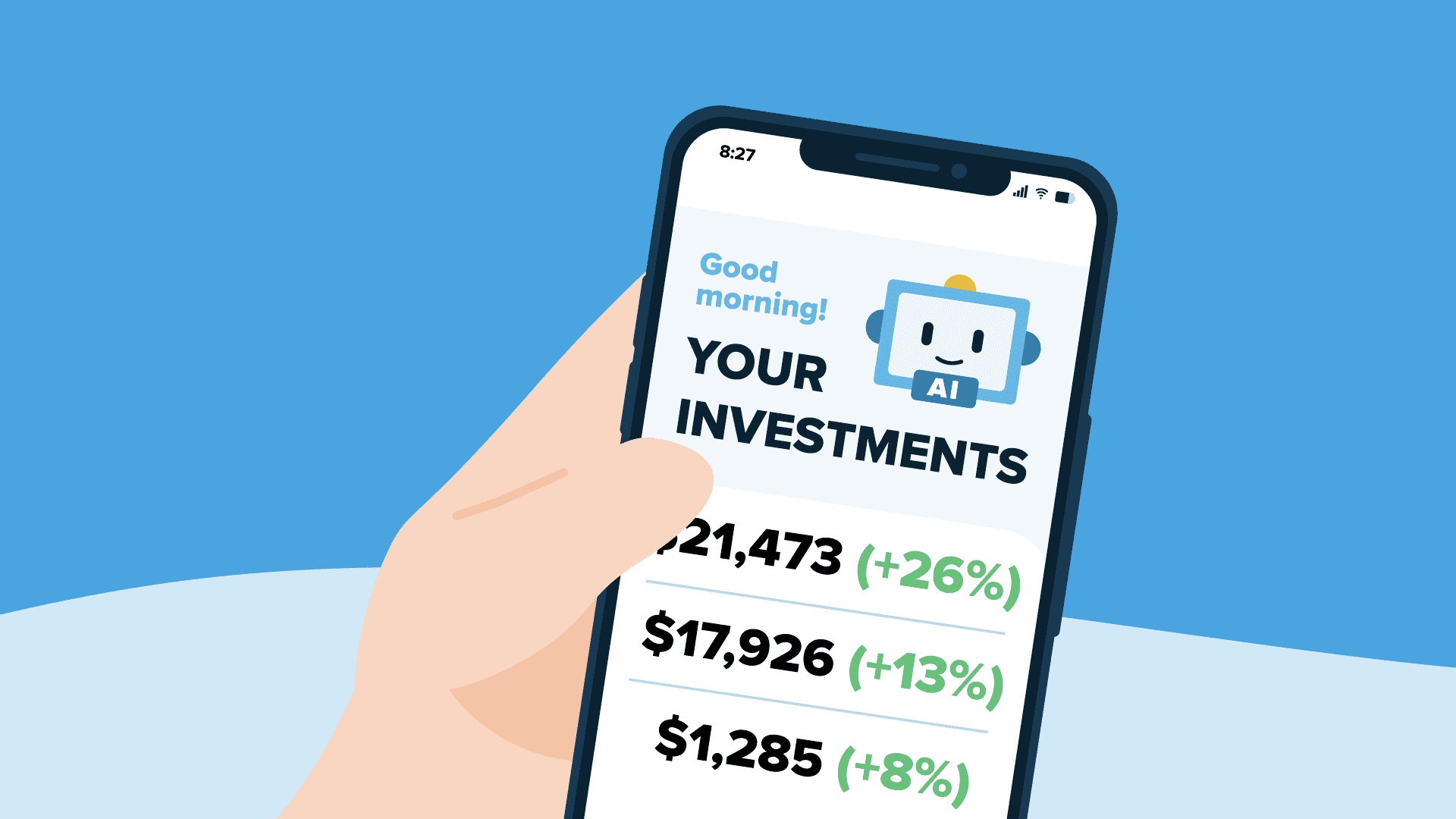
Financial brokerages and startups are developing autonomous AI agents capable of managing investment portfolios and executing trades 24/7. This shift moves AI from simple advisory roles to active, automated account management for retail and institutional investors.
The Dawn of Autonomous Financial Management
The financial sector is currently undergoing a transformative shift as the concept of 'agentic trading' moves from theoretical research into practical application. Brokerages, agile startups, and individual retail investors are increasingly deploying AI agents designed to oversee complex portfolios and execute trades without constant human intervention. This evolution marks a departure from traditional algorithmic trading, which once required significant institutional infrastructure, toward a future where sophisticated AI tools are accessible to the broader public.
Moving Beyond Passive Advice
Historically, AI in finance has been largely confined to passive roles—providing sentiment analysis, recommending stocks, or summarizing market news. The current trend, however, represents a shift toward active agency. These new AI systems are being programmed to ingest personal parameters such as risk tolerance, long-term retirement goals, and specific life milestones like college tuition planning. By automating these tasks, the technology effectively democratizes the capabilities previously reserved for private wealth management firms or 'family offices.'
The 24/7 Market Advantage
One of the most significant implications of this shift is the transition to 24/7 market engagement. Traditional human-managed portfolios are bound by the temporal limitations of market hours and human fatigue. AI agents, by contrast, operate continuously, monitoring global market fluctuations and adjusting positions in real-time. This capability allows for a more responsive investment strategy, ensuring that a user’s portfolio is constantly aligned with their defined goals, regardless of the time of day.
Democratizing the 'Family Office' Model
As Devin Ryan of Citizens points out, the goal is to provide every investor with the equivalent of a dedicated family office. By lowering the barrier to entry for high-level financial management, these startups are fundamentally altering the relationship between retail investors and the stock market. Instead of manual oversight, users can delegate the tactical execution of their financial strategy to an agentic system, potentially reducing human error and emotional bias in investment decisions.
The Future Landscape
While this technology is currently in its nascent stages, experts suggest that widespread adoption is imminent, likely within the next few years rather than a decade. The broader implications suggest a market that is more efficient but potentially more volatile, as automated agents react to data points in milliseconds. As these tools become more refined, the industry will likely see a push for regulatory frameworks that address the risks associated with fully autonomous, AI-driven financial decision-making.