From apps to 'intent': How AI agents will rewrite the way we use next‑gen phones
Source Entity
AASHISH SAXENA
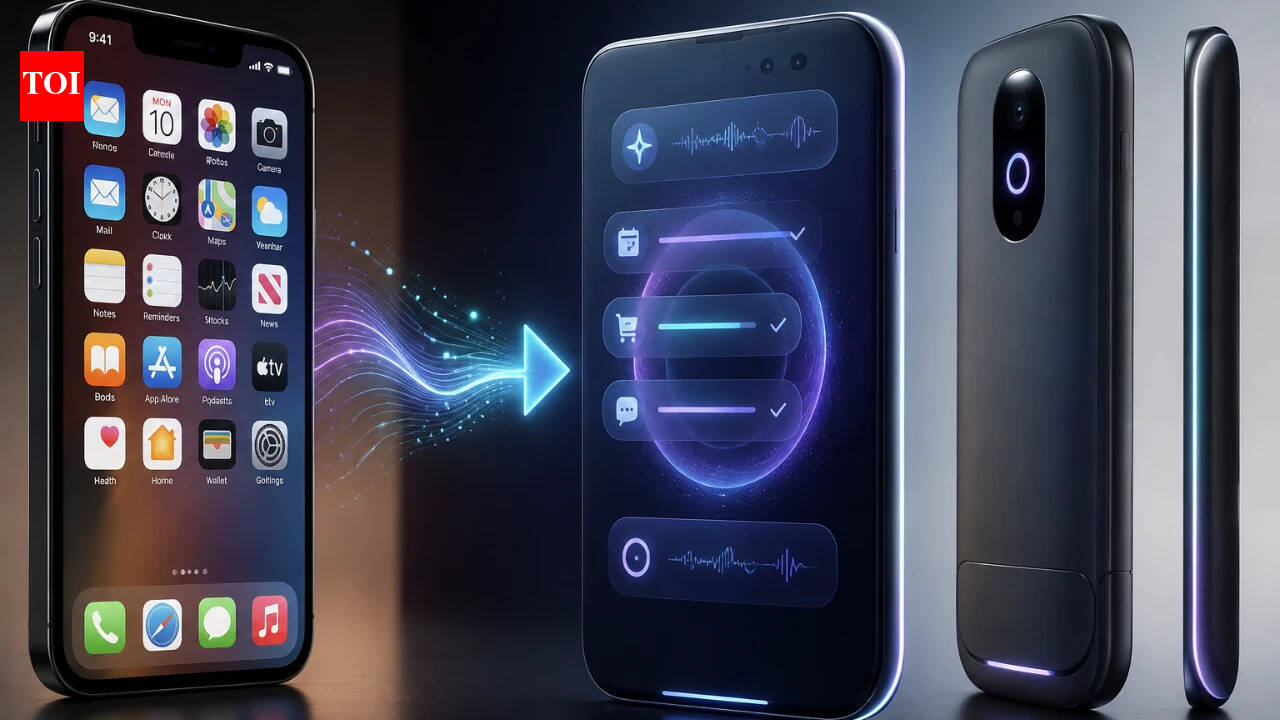
Smartphones are shifting from traditional app-based grids to AI-driven interfaces that fulfill user intent directly. This evolution transforms how we interact with mobile devices by replacing manual navigation with intelligent, autonomous agents.
The End of the App Era: The Shift to AI-First Interfaces
The landscape of mobile computing is undergoing its most significant transformation since the launch of the original iPhone. For over a decade, the user experience has been defined by the 'grid of icons,' a paradigm that requires users to manually locate, open, and navigate individual applications to complete tasks. The emerging shift toward AI-first smartphones signals the end of this manual era, replacing fragmented workflows with unified, intent-based interaction models.
From Manual Navigation to Intent-Driven Action
At the core of this transition is the concept of 'intent.' Rather than forcing the user to understand the architectural layout of a phone—knowing which app handles flight bookings versus weather forecasts—the new AI-first paradigm allows the user to express a goal. Whether through voice or text, the user provides a natural language prompt, and an onboard AI agent interprets this request, orchestrating the necessary steps across various services to achieve the desired outcome without the user ever needing to open a specific application interface.
The Transformation of the Digital Workflow
Consider the traditional process of planning a weekend trip. Currently, a user must engage in a tedious, multi-step process: launching a search engine, navigating travel aggregators, checking weather services, and manually synchronizing data across calendars and messaging platforms. This process is inherently siloed and labor-intensive. In an AI-first future, the agent acts as the primary interface, bridging the gap between these disparate services. By automating the data retrieval and synchronization processes, the phone evolves from a collection of isolated tools into a cohesive digital assistant.
Redefining the App Store Ecosystem
This shift has profound implications for the software economy. As the role of the individual app interface diminishes, app stores are likely to evolve from storefronts for manual software into dynamic service registries. Developers will no longer be tasked with building complex UI/UX experiences for every micro-interaction; instead, they will focus on creating robust, API-driven services that can be easily accessed and executed by AI agents. This marks a move toward a backend-heavy development culture where functionality is prioritized over visual interface design.
Challenges and Future Trends
While the promise of AI-first phones is immense, the transition will likely encounter significant hurdles. Privacy, data security, and the reliability of AI agents in handling high-stakes transactions remain critical concerns. As we move away from the predictability of static icon grids, users will need to build trust in these agents to act on their behalf with high accuracy. Looking forward, we can expect a competitive race among hardware manufacturers to integrate these agents deeper into the operating system, potentially leading to a new generation of devices where the 'app' as we know it becomes a legacy concept.
Conclusion
The move toward AI-first smartphones represents a fundamental change in how humans interact with technology. By prioritizing intent over interaction, we are entering a period where the device acts as a facilitator rather than a tool. As this technology matures, the friction of digital life—the constant clicking, scrolling, and manual data entry—is set to disappear, leaving a more streamlined, intent-driven user experience in its wake.