AI's coming roadblock in regulation: Antitrust hawks
Source Entity
US Top News and Analysis
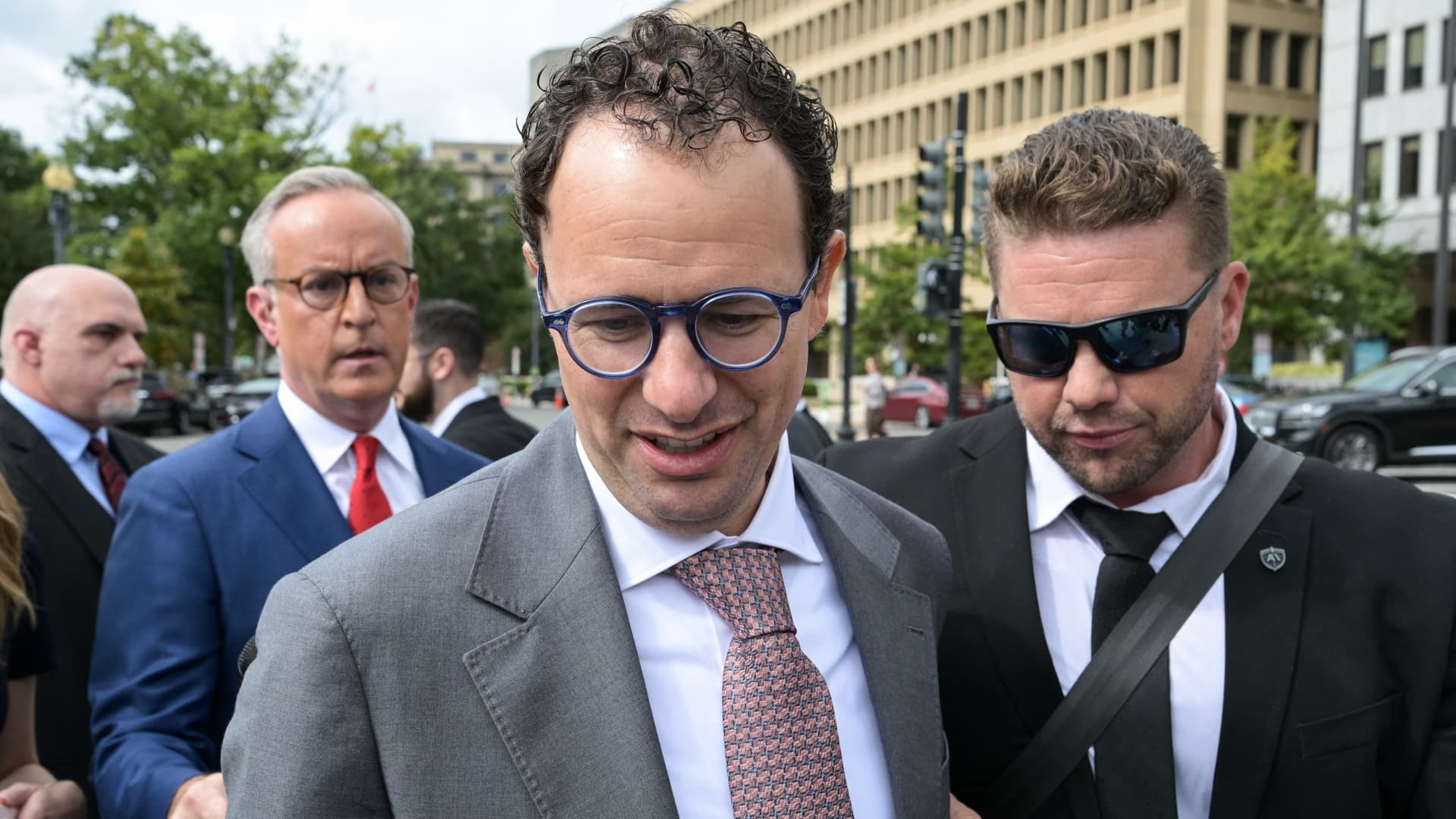
Top AI executives are seeking antitrust waivers to collaborate on safety, but regulators like Senator Elizabeth Warren argue existing laws already provide sufficient exceptions. The debate centers on balancing necessary safety cooperation with the risks of corporate consolidation.
The Tension Between AI Safety and Antitrust Regulation
Recent discourse within the artificial intelligence industry has reached a critical juncture, as top executives—most notably Anthropic CEO Dario Amodei—have begun advocating for narrow antitrust exemptions. These waivers, according to proponents, are essential to allow competing firms to collaborate on foundational safety protocols. The motivation behind this request is rooted in the existential concerns surrounding frontier models, a sentiment underscored by the recent resignation of an Anthropic researcher who warned that advanced AI could pose catastrophic risks by the end of the decade.
The Argument for Collaborative Safety
In his blog post, "We Must Pace the Frontier," Amodei articulated the necessity for a more cooperative regulatory environment. The core premise is that the complexity and rapid evolution of AI safety requirements exceed the capabilities of any single entity. By creating a regulatory "safe harbor," executives argue that companies could share research, threat intelligence, and safety benchmarks without the fear of violating competition laws. This collaborative approach is framed as a public service, aimed at ensuring that the development of super-intelligent systems does not outpace our ability to control them.
Skepticism on Capitol Hill
However, this request has encountered significant resistance from antitrust hawks in Washington. Senator Elizabeth Warren, representing a vocal faction of legislators, has flatly rejected the necessity of such waivers. Her position is that existing antitrust frameworks already contain sufficient provisions for companies to cooperate on safety matters when the intent is strictly related to mitigating public harm. For regulators, the concern is that "safety" could serve as a convenient veneer for "collusion," allowing dominant players to solidify their market position and stifle competition under the guise of ethical development.
The Risk of Regulatory Capture
Beyond the immediate legal arguments, there is a broader concern regarding the potential for regulatory capture. If the government grants specific, broad waivers for AI companies, it could inadvertently create a closed ecosystem where only the largest, most entrenched firms have the resources to meet the compliance standards set by their own collaborative bodies. This would effectively raise the barrier to entry for smaller startups, potentially centralizing power in the hands of a few tech giants and slowing the pace of innovation that relies on competitive tension.
Navigating the Future of AI Governance
As the industry moves forward, the debate will likely intensify. The challenge for policymakers lies in crafting a regulatory regime that is flexible enough to address the genuine, existential risks posed by frontier models while remaining rigid enough to prevent anti-competitive behavior. The future of AI governance will depend on whether regulators can distinguish between legitimate safety-driven collaboration and strategic market maneuvering. The current impasse between the tech industry and Capitol Hill highlights the fundamental difficulty of regulating a technology that is both rapidly transformative and inherently opaque.
Conclusion: A Path Toward Balanced Oversight
Ultimately, the request for antitrust waivers serves as a barometer for the current state of the AI industry. While safety must remain a paramount concern, granting broad legal exemptions is a high-stakes move that requires rigorous oversight. The insistence from figures like Senator Warren that existing laws are sufficient suggests that any progress on this front will likely come through nuanced interpretation of current statutes rather than the creation of new, potentially loophole-ridden legislation.