The AI boom is not just driving stocks — it’s also moving the foreign-exchange market
Source Entity
Jules Rimmer
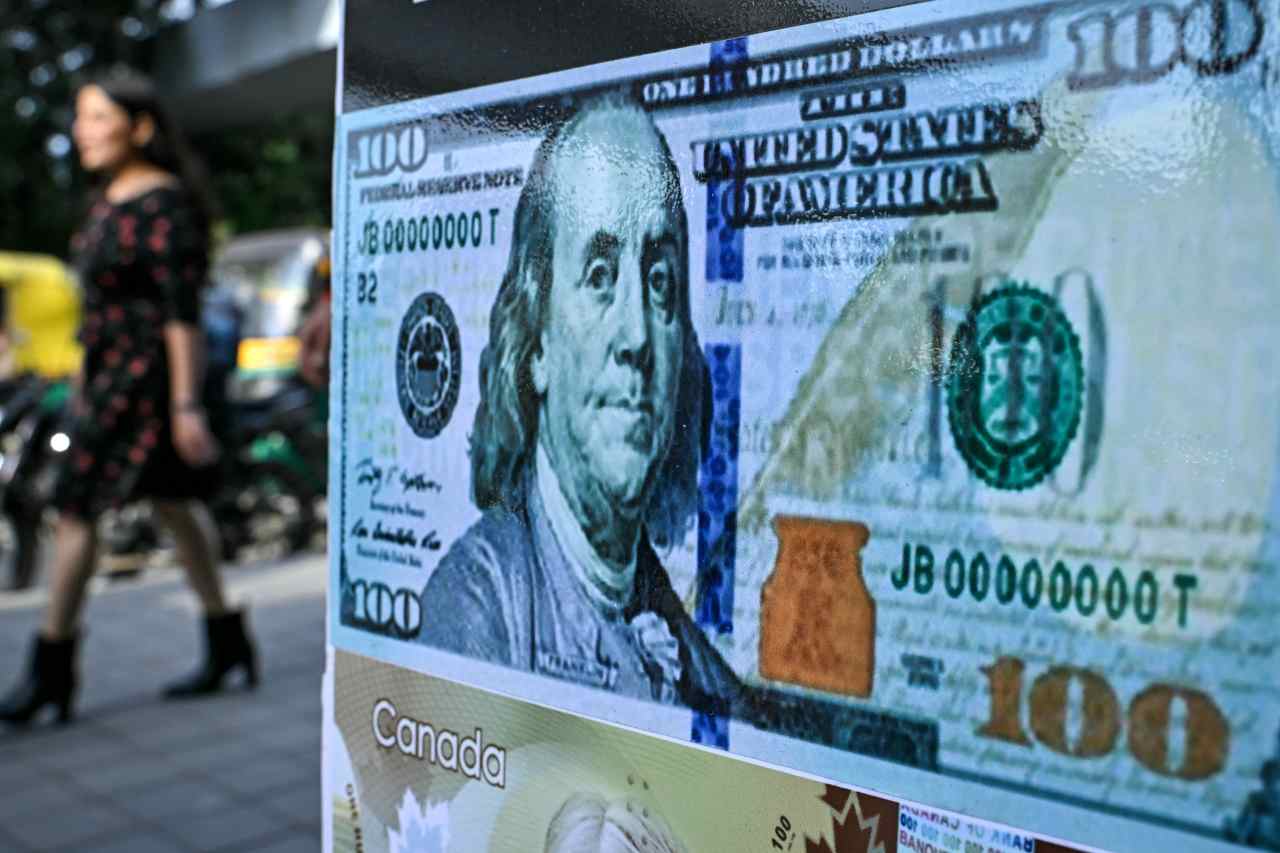
The rapid expansion of artificial intelligence is emerging as a primary catalyst for foreign-exchange market volatility. Corporate AI investments are increasingly influencing currency movements, challenging traditional macroeconomic indicators.
The Shift in Currency Market Drivers
Traditionally, the foreign-exchange (FX) market has been governed by a relatively stable set of macroeconomic indicators. Investors and central banks have long looked to interest-rate differentials, inflation trends, and trade balances as the primary levers that determine the strength or weakness of a currency. These metrics provide a fundamental framework for understanding capital flows between nations, allowing analysts to predict currency fluctuations based on central bank policy and economic health. However, recent market activity suggests that the rise of artificial intelligence (AI) is fundamentally altering this landscape.
The AI Boom as a Macroeconomic Force
The current AI boom is transcending the boundaries of equity markets and tech-sector growth, manifesting as a significant force within the global currency arena. As multinational corporations race to expand their AI offerings, they are engaging in massive cross-border capital expenditures. These investments—whether through hiring global talent, acquiring international software firms, or building energy-intensive data centers abroad—require significant foreign-exchange transactions. Consequently, the corporate demand for specific currencies to facilitate AI infrastructure is beginning to compete with, and occasionally override, traditional interest-rate-driven signals.
Corporate Strategy and Currency Volatility
Corporate entities are now acting as major players in the currency market, driven by the strategic imperative to dominate the AI ecosystem. When a firm decides to invest heavily in a foreign market to secure AI-related technological advantages, they must exchange capital, which directly impacts the supply and demand dynamics of those currencies. This trend highlights a shift from purely speculative or interest-rate-focused trading to a more strategic, corporate-led model of FX movement. This shift is notable because it introduces a layer of complexity that traditional models, which rely heavily on central bank data, may fail to capture accurately.
Broader Implications for Global Trade
The integration of AI into the core of corporate expansion plans suggests that the technological sector is now a primary driver of global capital movement. As trade balances shift to accommodate the import and export of AI-related hardware and services, the traditional definition of a 'trade balance' is being redefined by the digital economy. Countries that position themselves as hubs for AI development are likely to see their currencies influenced by the influx of corporate investment aimed at establishing a foothold in the AI race, creating a new correlation between technological prowess and currency strength.
Future Trends and Market Outlook
Looking ahead, market participants should anticipate that technological development cycles will become increasingly synchronized with currency cycles. As the AI sector matures, the scale of investment is expected to grow, potentially leading to more pronounced fluctuations in exchange rates that are disconnected from domestic interest rate policies. Analysts and investors will likely need to incorporate corporate AI sentiment and infrastructure investment data into their forecasting models. The ability to monitor these corporate flows will become a critical skill for those navigating the modern, tech-centric foreign-exchange market.
Verification Required?