Deutsche Bank becomes first foreign yuan clearing bank in Europe
Source Entity
Hacker News
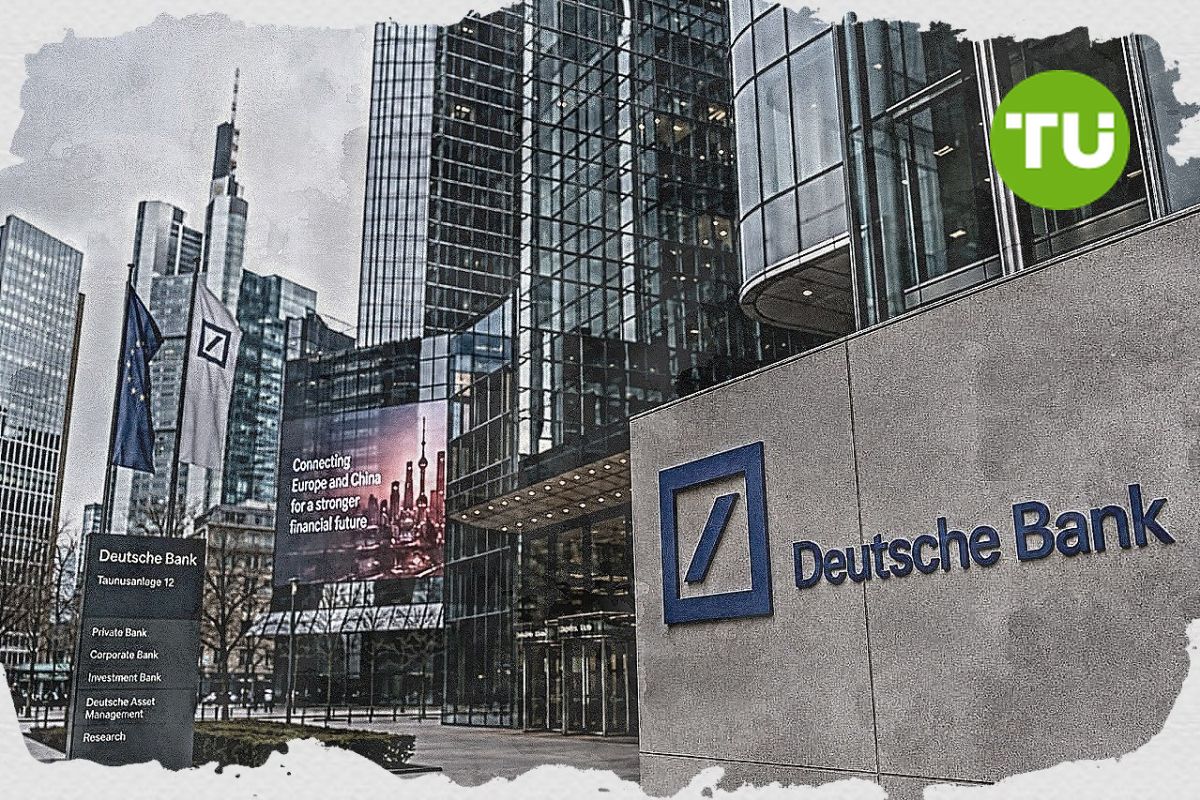
Deutsche Bank has been appointed as the first foreign institution to clear renminbi transactions in Europe. This move, based in Frankfurt, signals China's push to expand its currency's global footprint in trade and investment.
Deutsche Bank Secures Historic Renminbi Clearing Status in Europe
In a landmark development for international finance, China has officially authorized Deutsche Bank to act as a clearing bank for renminbi (RMB) transactions within Europe. This appointment marks a significant shift in the landscape of global currency infrastructure, as it is the first time a non-Chinese foreign institution has been granted such authority in the region. Previously, these critical financial roles were exclusively held by Chinese state-owned banks, highlighting a shift in Beijing's strategy to integrate the yuan more deeply into the global financial system.
Strategic Expansion of the Yuan Infrastructure
The decision to designate Deutsche Bank follows a formal memorandum of understanding (MoU) between the lender and the People’s Bank of China (PBOC). By establishing these clearing operations in Frankfurt, Beijing is effectively expanding its overseas yuan network. Frankfurt serves as a pivotal financial hub, and by leveraging a major international bank, China is signaling a move toward more standardized, accessible, and efficient cross-border settlement processes for European firms engaged in trade with the East.
Implications for European Trade and Investment
For European corporations, this development represents a tangible upgrade in financial infrastructure. Companies that rely on the yuan for international trade and investment now have an additional, robust route for processing payments. By utilizing a familiar European institution, businesses can potentially reduce the friction and complexities previously associated with clearing transactions through traditional Chinese banking channels. This diversification of clearing services is expected to lower costs and increase the speed of transactions, thereby encouraging more European entities to conduct business in renminbi.
A Shift in Global Financial Dynamics
This move by the PBOC underscores a broader, long-term effort to internationalize the yuan. By decentralizing the clearing process and inviting established foreign players like Deutsche Bank into the fold, China is working to normalize the use of the RMB as a primary reserve and transaction currency. This transition is not merely logistical; it is a geopolitical statement that the yuan is maturing into a truly global currency, capable of being supported by the world’s most sophisticated banking networks rather than just the domestic banks of the issuing nation.
Future Trends and Market Outlook
Looking ahead, the success of this initiative in Frankfurt could serve as a blueprint for future designations in other global financial centers. As China continues to build out its infrastructure for international trade, we can expect to see further integration of foreign institutions into the renminbi ecosystem. This trend suggests that the dominance of traditional currencies in international settlement may face increased competition as the yuan’s accessibility continues to grow, ultimately reshaping how global trade balances are managed and settled in the coming decades.