Residents fight California AI data centre; judge demands environmental review
Source Entity
TOI TECH DESK
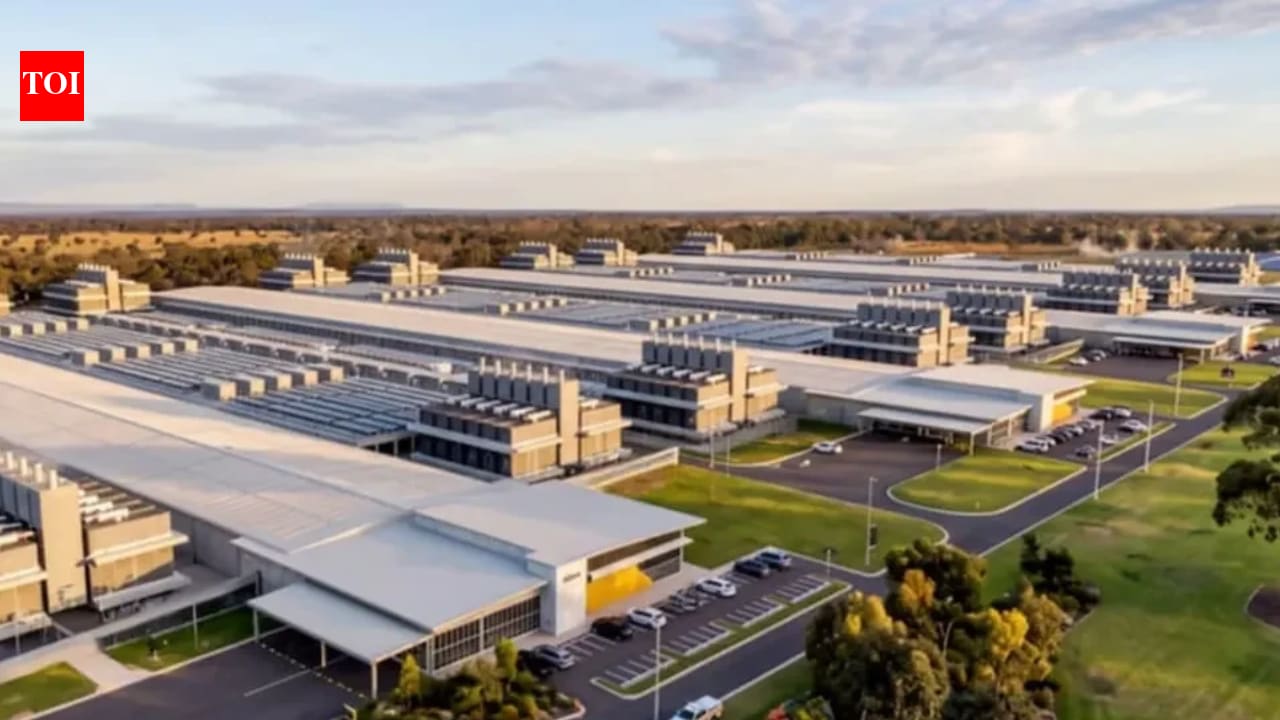
Communities in St. Louis and California are challenging the expansion of massive AI data centers due to environmental and health concerns. These legal battles have forced developers to face rigorous oversight, reflecting a growing national tension between AI infrastructure needs and local quality of life.
The Clash Between AI Ambition and Community Preservation
Across the United States, a quiet but intense transformation of the landscape is underway. As the global race for AI dominance accelerates, the physical infrastructure required to power this revolution—massive data centers—is increasingly encroaching on urban and rural spaces. In cities like St. Louis and regions like California's Imperial County, this expansion has met significant resistance, pitting the promise of technological advancement against the immediate concerns of local residents regarding their environment, water security, and quality of life.
St. Louis: A City at the Crossroads
In St. Louis, the repurposing of former commercial spaces into data hubs has sparked a fierce debate. Residents are not merely observing the change; they are actively organizing against the $3.1 billion projects that threaten to alter the fabric of their neighborhoods. The controversy stems from a perceived disconnect between the needs of global tech entities and the day-to-day realities of the citizenry. As infrastructure shifts from community-serving spaces like grocery stores to climate-controlled server farms, the social contract of urban planning is being fundamentally rewritten.
The California Legal Precedent
Simultaneously, the battle in Imperial County, California, highlights the growing power of judicial intervention in the tech sector. When a judge mandated a comprehensive environmental review for a 1-million-square-foot facility proposed by developer Sebastian Rucci, it sent a clear signal that the AI boom does not grant carte blanche to ignore local ecological impacts. Concerns regarding water resource depletion and increased carbon emissions have become the primary weapons for residents and local governments, such as the City of Imperial, in their fight to halt or modify these massive developments.
Environmental and Health Concerns
At the heart of these disputes are tangible fears. Data centers are notoriously resource-heavy, demanding vast amounts of electricity for operation and significant water volumes for cooling. In drought-prone areas or densely populated cities, these requirements threaten local infrastructure. The legal actions launched by citizens are not just about aesthetics; they are about the long-term sustainability of their communities in the face of industrial-scale computing requirements that operate 24/7.
Legislative Shifts and Future Trends
These localized skirmishes are coalescing into a broader national movement. The pushback in St. Louis and Imperial County has already prompted new legislation aimed at governing the placement and operation of data centers. As states begin to implement stricter zoning laws and mandatory environmental impact assessments, the 'free-for-all' era of data center construction appears to be coming to a close. Developers will likely need to prioritize transparency and community integration to avoid future litigation.
Conclusion: The Cost of Progress
Ultimately, the friction between AI infrastructure and local communities underscores a critical challenge for the future of the digital economy. While the world's elite continue to demand the massive computing power necessary to fuel AI development, the citizens on the ground are demanding a seat at the table. Moving forward, the successful deployment of such facilities will depend on whether developers can reconcile their technological goals with the environmental and social mandates of the regions they occupy.