DIY VR: How to build your own headset, and why you probably won't want to
Source Entity
Tim Stevens
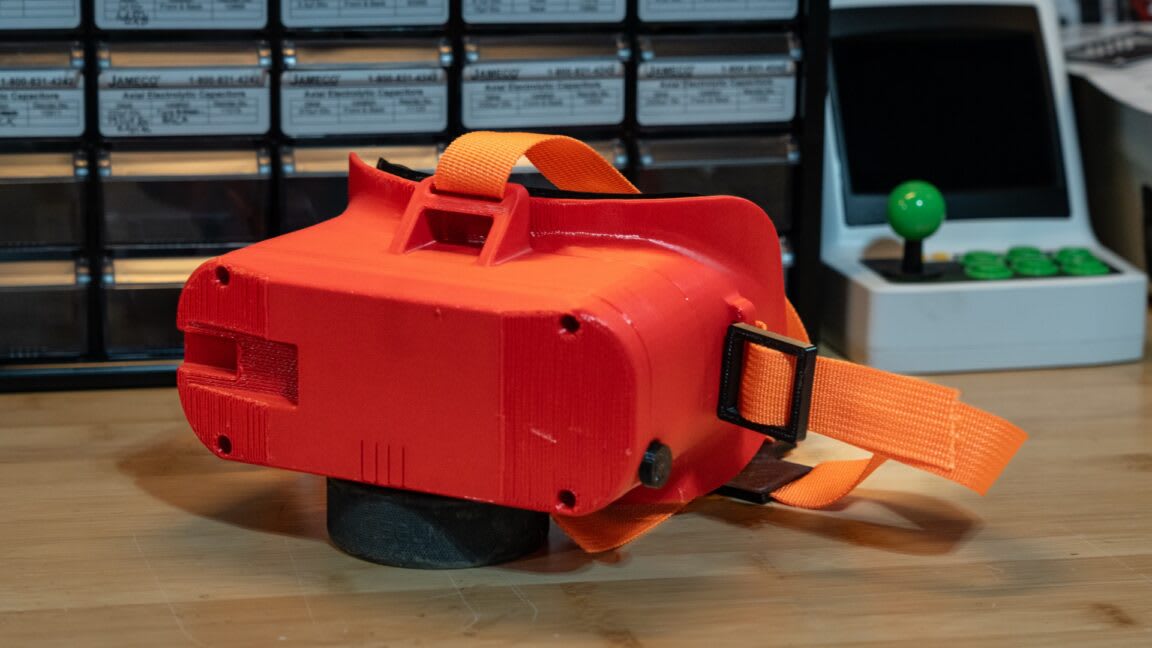
The DIY VR movement reflects a cooling market for commercial head-mounted displays. While enthusiasts experiment with custom builds, mainstream interest and corporate investment have notably declined.
The State of DIY VR: Innovation Amidst Market Stagnation
Virtual reality has traversed a tumultuous path from the speculative fervor of the 1990s to the high-tech renaissance spurred by the 2016 launch of the Oculus Rift. For nearly a decade, the promise of immersive computing—whether branded as VR, AR, or the 'metaverse'—seemed inevitable. However, the current reality of the industry suggests a significant shift in trajectory, moving away from mass-market adoption toward a niche enthusiast space.
The Decline of Mainstream Hype
Despite the massive capital expenditure from tech giants like Meta and Apple, the broader momentum for alternate reality platforms has faced a steady decline. The initial excitement surrounding the Vision Pro and similar high-end devices failed to catalyze the widespread consumer revolution many predicted. Instead, companies are increasingly scaling back or shelving ambitious projects, signaling that the 'metaverse' era has hit a significant wall regarding consumer utility and accessibility.
The Rise of the DIY Enthusiast
As corporate interest wanes, the most compelling developments in the VR sector are migrating to the enthusiast community. Building a DIY head-mounted display (HMD) has become a way for hobbyists to reclaim the technology. While commercial headsets often come with restrictive software ecosystems and high price points, DIY projects allow for modularity and specific use-case optimization that off-the-shelf products currently lack.
The Hurdles of Self-Assembly
However, the DIY route is fraught with technical difficulties. Building a functional HMD involves complex integration of display drivers, tracking sensors, and ergonomic housing. For the average user, the 'joys' of building a headset are frequently eclipsed by the 'pains' of troubleshooting latency, hardware compatibility, and comfort issues, which commercial companies spend millions to solve.
Future Trends and Outlook
With new, albeit niche, releases like the Steam Frame and Pimax Dream Air still surfacing, the hardware market is far from dead—it is simply recalibrating. The future of VR likely lies in this bifurcated market: high-end, specialized commercial gear for enterprise applications, and a grassroots DIY movement for those dedicated to pushing the boundaries of what is possible without corporate oversight.
Conclusion
Ultimately, the shift toward DIY VR serves as a diagnostic tool for the industry at large. When the barrier to building one’s own hardware is compared against the declining excitement for mass-market alternatives, it is clear that VR is entering a period of quiet maturation. While the dream of a mainstream virtual reality remains unfulfilled, the dedication of the enthusiast community ensures that the technology continues to evolve, even if it does so outside the boardroom.