AI-generated images of snakes hamper rescue calls in Hyderabad, diverts resources from legitimate requests
Source Entity
India Latest News: Top National Headlines Today & Breaking News | The Hindu
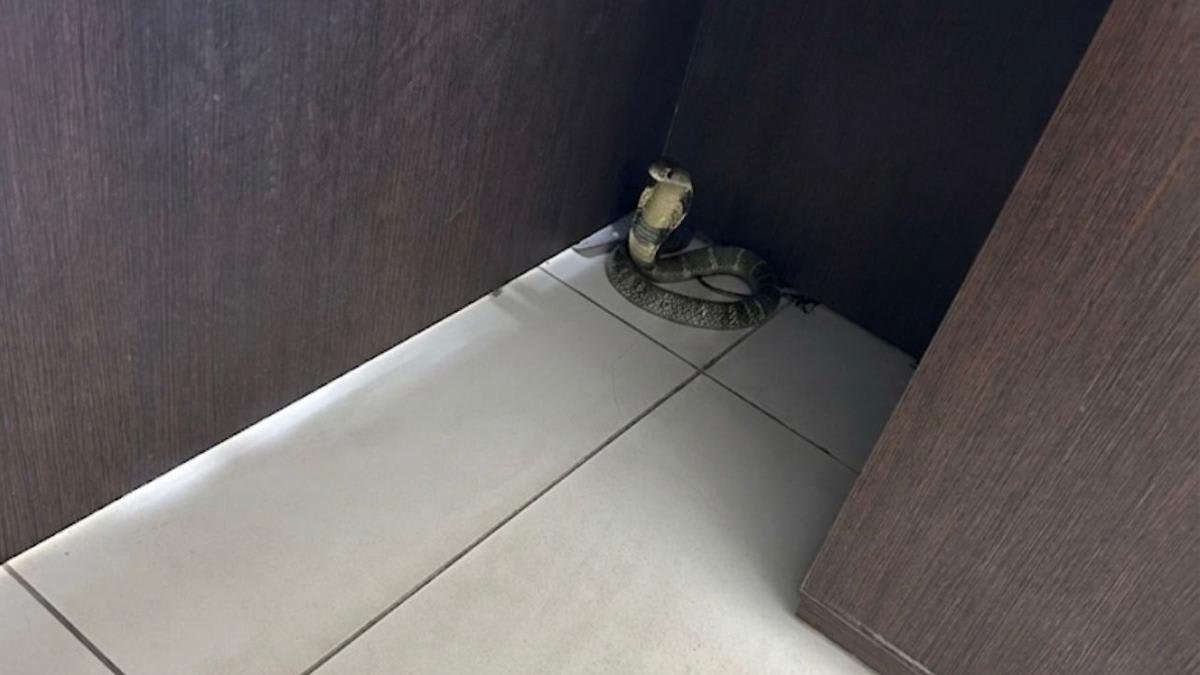
The Friends of Snakes Society in Hyderabad is facing significant operational challenges due to hoax calls featuring AI-generated snake images. These deceptive practices divert critical resources and erode public trust in emergency rescue services.
The Digital Deception: AI-Generated Hoaxes in Wildlife Rescue
Wildlife rescue organizations in Hyderabad, specifically the Friends of Snakes Society, are currently grappling with an emerging challenge: the weaponization of artificial intelligence in hoax emergency calls. By sending hyper-realistic AI-generated images of snakes, individuals are successfully triggering emergency protocols, causing organizations to divert limited human resources, fuel, and time toward non-existent threats. This trend represents a concerning intersection of generative technology and social responsibility, where the ease of creating deceptive imagery is actively undermining public safety infrastructure.
Motivations Behind the Digital Pranks
The motivations for these malicious acts vary, ranging from disruptive pranks to calculated workplace deception. Reports indicate that some individuals utilize these AI images as a pretext to secure leave or unscheduled breaks from their employers. By presenting a 'snake sighting' as a legitimate household emergency, they exploit the urgency inherent in wildlife rescue operations to justify their absence. This misuse of emergency services not only creates an administrative burden but also introduces a layer of dishonesty into professional environments, using the fear of venomous reptiles as a tool for personal gain.
The Nuance of Fear and Genuine Intent
While malice drives many of these incidents, the Friends of Snakes Society has identified a secondary, more complex category of users: those who encounter a genuine snake that disappears into an inaccessible area before a photo can be taken. In a state of panic or confusion, these individuals use AI tools to generate a representation of what they saw to ensure rescue teams take the call seriously. While the intent here is not to deceive for personal gain, the result is identical to a hoax: rescue personnel are deployed based on fabricated visual evidence rather than confirmed sightings, leading to wasted operational capacity.
Broader Implications for Emergency Services
The erosion of trust is perhaps the most significant long-term consequence of this trend. When rescue organizations are forced to treat every incoming image with extreme skepticism, the response time for legitimate, life-threatening emergencies may be compromised. The constant influx of AI-generated content forces teams to adopt more rigorous verification processes, which are inherently time-consuming. This 'boy who cried wolf' scenario creates a dangerous friction between the public and the professionals tasked with managing human-wildlife conflict.
Societal Impact and Future Outlook
Beyond the operational costs, these hoaxes contribute to unnecessary societal panic. AI-generated imagery is becoming increasingly indistinguishable from reality, making it difficult for the average citizen to discern fact from fiction. As these tools become more accessible, the strain on volunteer-based organizations—which operate on limited budgets and volunteer time—will likely intensify. To combat this, organizations may need to adopt advanced verification technologies or implement stricter reporting protocols, further complicating the accessibility of emergency wildlife services for those who truly need them in their moments of crisis.
Verification Required?