Humans as a resource and the nature of work in the AI age
Source Entity
Latest News: Todays Latest News Headlines from India & World | Hindustan Times
The integration of AI into education presents a dual reality of enhanced learning and the risk of diminished independent thought. Experts are now debating how to balance technological efficiency with the preservation of human ingenuity and critical thinking.
The Double-Edged Sword of AI in Modern Education
As artificial intelligence increasingly integrates into the classroom, the educational landscape is undergoing a profound transformation. Students are turning to these tools for rapid explanations, assignment completion, and problem-solving, marking a significant shift from traditional research methods. While this offers unprecedented access to information, it raises a fundamental concern: are we facilitating learning, or are we inadvertently creating a shortcut culture that bypasses the rigor of genuine intellectual development?
The Erosion of Independent Thinking
The central tension lies in the risk of over-dependence. Educators and experts warn that when students rely on AI to generate answers before attempting to grasp the underlying concepts, they may fail to develop essential critical thinking skills. The core of academic growth is the struggle to understand complex subjects; by outsourcing this struggle to generative algorithms, the educational process risks becoming a passive experience rather than an active, cognitive endeavor.
Historical Context and the Evolution of Labor
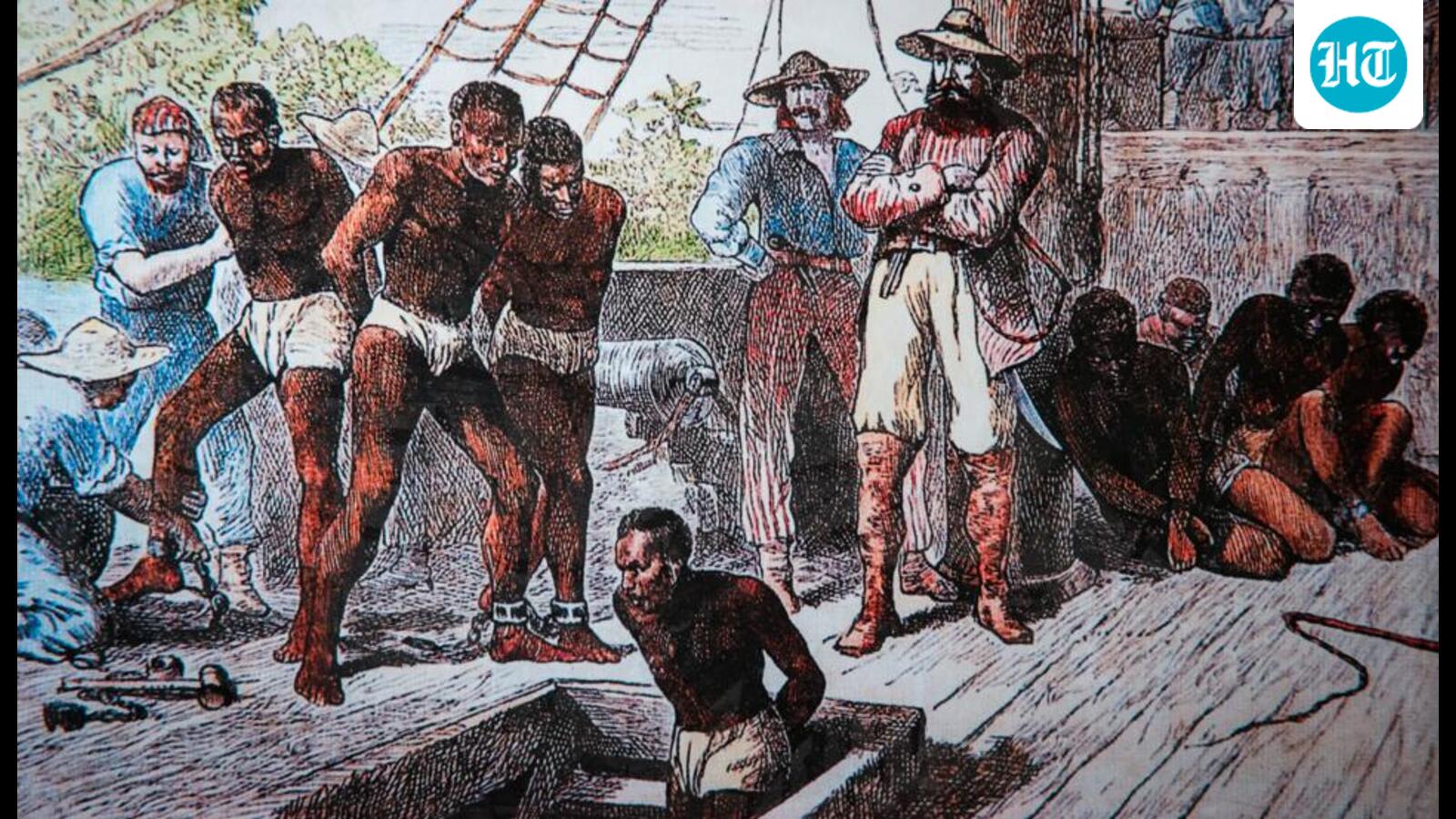
This shift in education mirrors broader societal changes regarding human labor. Just as the industrial age sought to turn human effort into a standardized product, current trends in AI suggest we are reaching a peak in this commodification of output. Much like the historical image of galley slaves being directed by commanders, there is a looming fear that humans may become mere operators of AI tools rather than autonomous thinkers. As Elon Musk and other tech leaders posit, we are approaching a future where AI performs the bulk of human tasks, making the preservation of human imagination and intellect more critical than ever.
Balancing Innovation and Pedagogy
Despite these concerns, AI holds immense potential for expanding creative learning opportunities. It serves as a powerful tutor that can provide personalized explanations and foster curiosity. The challenge for institutions, such as those following the CBSE framework, is to prioritize critical thinking and assessment models that reward deeper understanding over mere output. The goal is to integrate these technologies as augmentations to human intellect rather than replacements for it.
The Future of Human Ingenuity
Human intelligence, curiosity, and imagination have been the genesis of all civilizational progress, from the invention of the wheel to modern breakthroughs. Generative AI, having passed the Turing test and moving toward Artificial General Intelligence, represents a unique inflection point in history. We are interacting with a technology that rivals our own cognitive processes. To navigate this future, education must evolve to ensure that while students leverage the power of AI, they retain the ability to think independently, ensuring that technology serves human creativity rather than diminishing it.
Multiple Citing Sources
Verification Required?