AI may force these workers to retire earlier than planned
Source Entity
Geoffrey Sanzenbacher
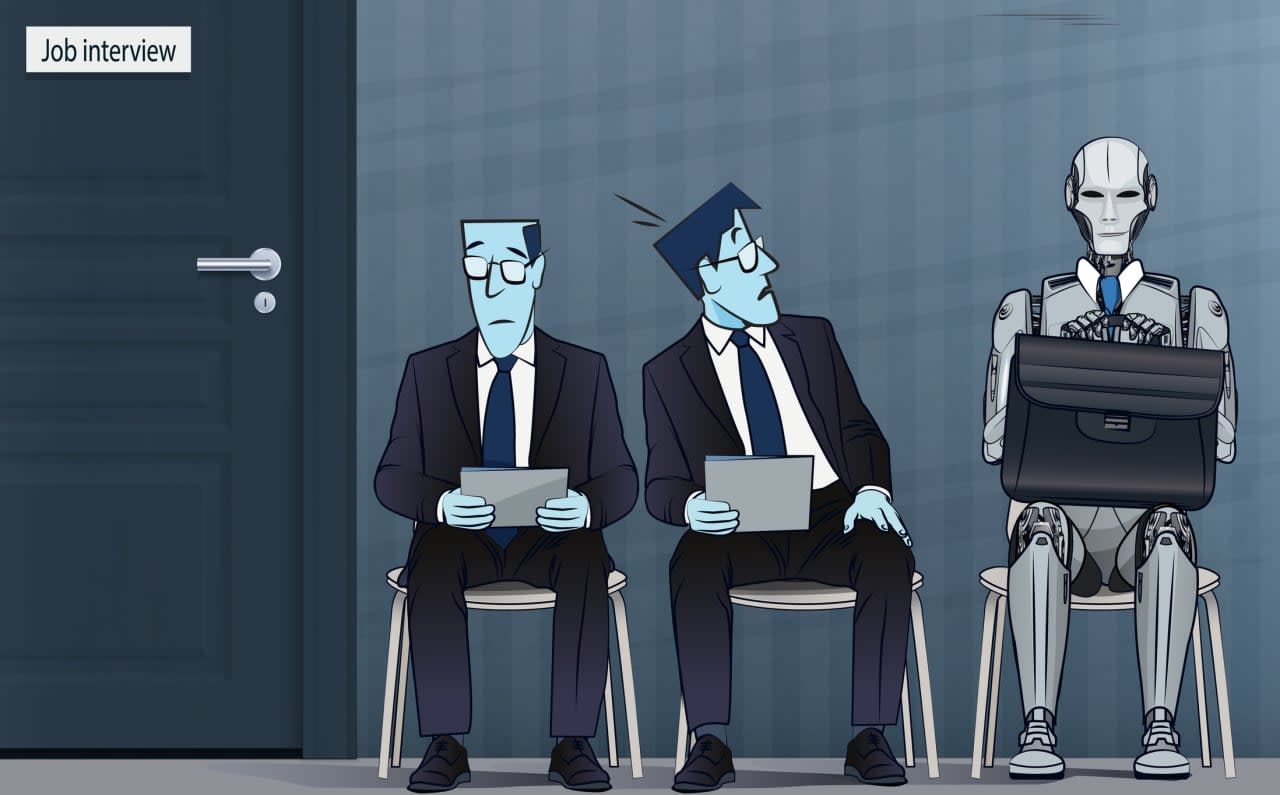
Older workers are confronting a dual challenge of potential Social Security benefit reductions and a rapidly shifting job market driven by AI. These factors are creating significant pressure, potentially forcing many to retire earlier than they had originally planned.
The Dual Crisis Facing the Aging Workforce
Older workers in the current economic climate are finding themselves at a critical intersection of financial instability and technological displacement. The convergence of looming Social Security cuts and the rapid integration of artificial intelligence into the workplace has created a precarious environment for those approaching their golden years. This shift is fundamentally altering the traditional career trajectory, where experience was once considered the ultimate asset.
The Impact of Evolving Workplace Priorities
The rapid evolution of workplace priorities, largely fueled by the proliferation of AI, is disproportionately affecting older employees. As companies pivot toward automation and machine-learning-driven efficiencies, the specific technical skill sets required for modern roles are shifting faster than many mid-to-late-career professionals can adapt. This creates a "digital divide" within corporate structures, where the institutional knowledge held by older workers is increasingly undervalued in favor of agility and technological fluency.
Financial Pressures and Social Security Volatility
Compounding the technological challenge is the looming threat of Social Security cuts. For many, Social Security serves as the primary floor of their retirement strategy. When the viability of these benefits is called into question, the psychological and financial safety net begins to fray. This uncertainty forces older workers to reassess their timelines, often leading them to conclude that the cost of remaining in a volatile job market outweighs the benefits of waiting for a more traditional retirement age.
The Premature Exit Phenomenon
We are witnessing a trend where the combination of these factors is effectively pushing older workers out of the labor force earlier than planned. When an individual perceives that their skills are becoming obsolete due to AI while their future retirement income remains uncertain, the rational choice often becomes an early exit. This "involuntary retirement" carries significant implications for the broader economy, including a loss of mentorship capacity and a reduction in the total labor participation rate of highly experienced professionals.
Future Trends and Economic Implications
Looking forward, this trend suggests that the workforce of the future will need to prioritize lifelong learning and institutional support for age-diverse hiring. If corporations do not find ways to integrate the experience of older workers with the efficiency of AI, we may see a systemic decline in the economic stability of the aging population. Policymakers and businesses must address these dual impediments to ensure that the transition into retirement remains a choice rather than a forced necessity driven by algorithmic displacement and fiscal instability.
Verification Required?