With AI to talk to, are children talking less to their parents?
Source Entity
Dr Alisha Lalljee
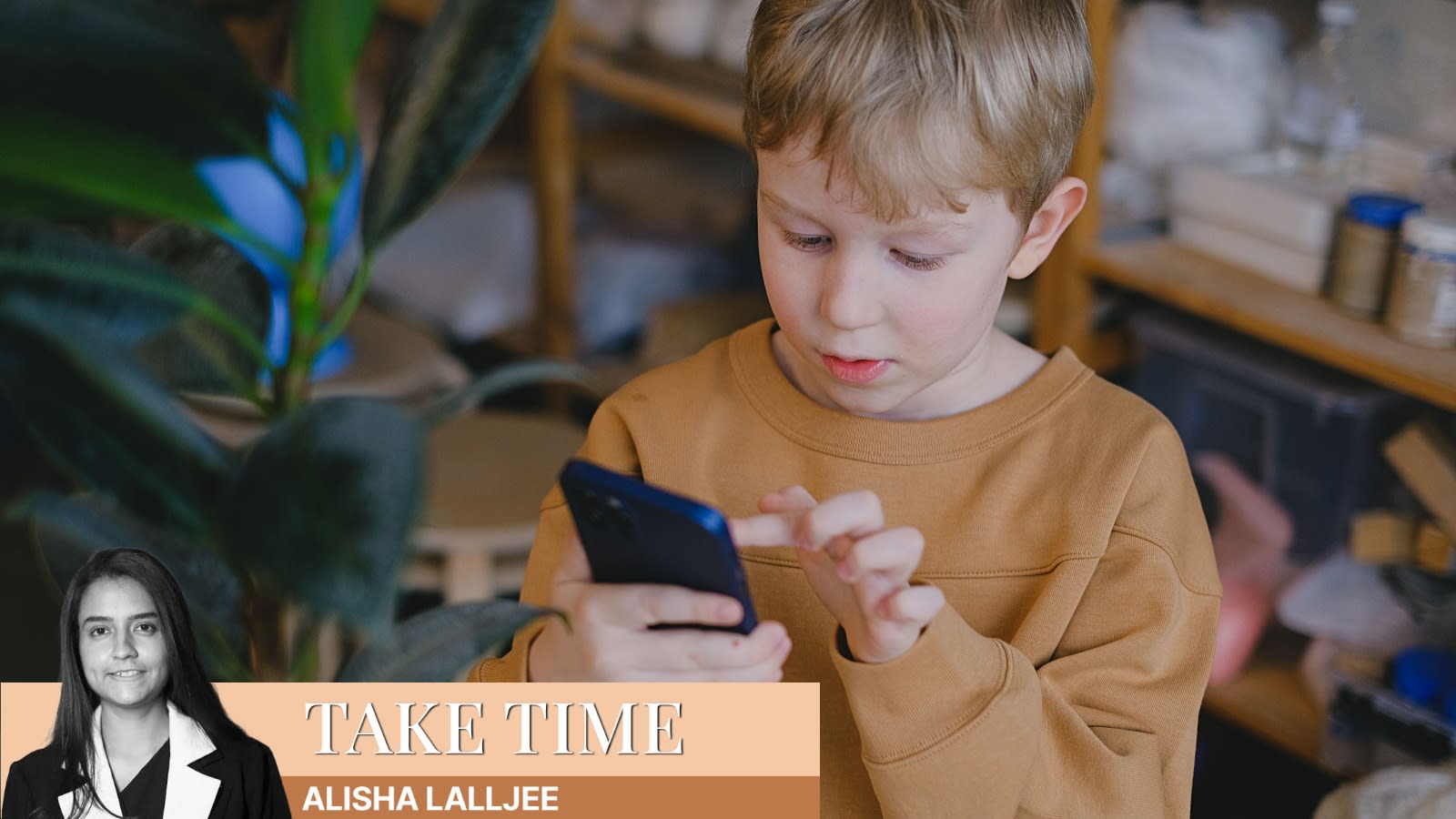
The integration of AI as a constant companion for children is shifting communication patterns away from parents. While AI offers non-judgmental support, it may be eroding the essential parent-child bond.
The Shift in Childhood Communication
Historically, the dinner table or the post-school commute served as the primary forum for children to offload the complexities of their day. From navigating interpersonal conflicts with peers to expressing frustrations regarding academic pressures, children relied on their parents as their primary confidants. This ritual of sharing not only facilitated emotional regulation but also strengthened the familial bond, allowing parents to guide their children through the nuances of growing up.
The Rise of the AI Confidant
In the contemporary digital landscape, this dynamic is undergoing a profound transformation. Children facing a difficult day now possess an alternative: artificial intelligence. Unlike human parents, who may be busy, tired, or quick to offer unsolicited advice, AI platforms are available on-demand, providing instant, non-judgmental responses. This accessibility allows children to voice worries or embarrassing thoughts without the fear of social stigma or parental repercussion.
Why Technology Feels Safer
One of the most significant advantages of AI from a child's perspective is the lack of interruption. Human conversation requires active listening and often leads to an exchange of perspectives, which can feel like judgment or pressure to a child. AI, conversely, acts as a passive, infinite sounding board. By removing the emotional stakes of a conversation, technology provides a 'safe space' that feels more secure than the unpredictability of human interaction.
Implications for Parental Connection
As children increasingly turn to algorithms for emotional support, the traditional parent-child dynamic faces a potential decline. If a child consistently utilizes AI to process their daily experiences, they may lose the habit of seeking parental counsel. This creates a psychological distance, where the parent remains unaware of the child's internal struggles, effectively closing off the primary channel of communication that once defined the development of the child-parent relationship.
Future Trends in Digital Socialization
Looking ahead, we must consider the long-term impact on social development. If children become accustomed to the 'perfect' communication style of an AI—one that never disagrees and is always available—they may find real-world relationships with peers and parents increasingly frustrating. Future trends suggest that as AI becomes more conversational and empathetic, the challenge for parents will be to reclaim their role as the primary emotional anchor in their child's life, competing with a technology that is designed to be perpetually appealing.