Did AI-‘kill chain’ lead to deadly Iran school strike? What report claims
Source Entity
TRISHA MAHAJAN
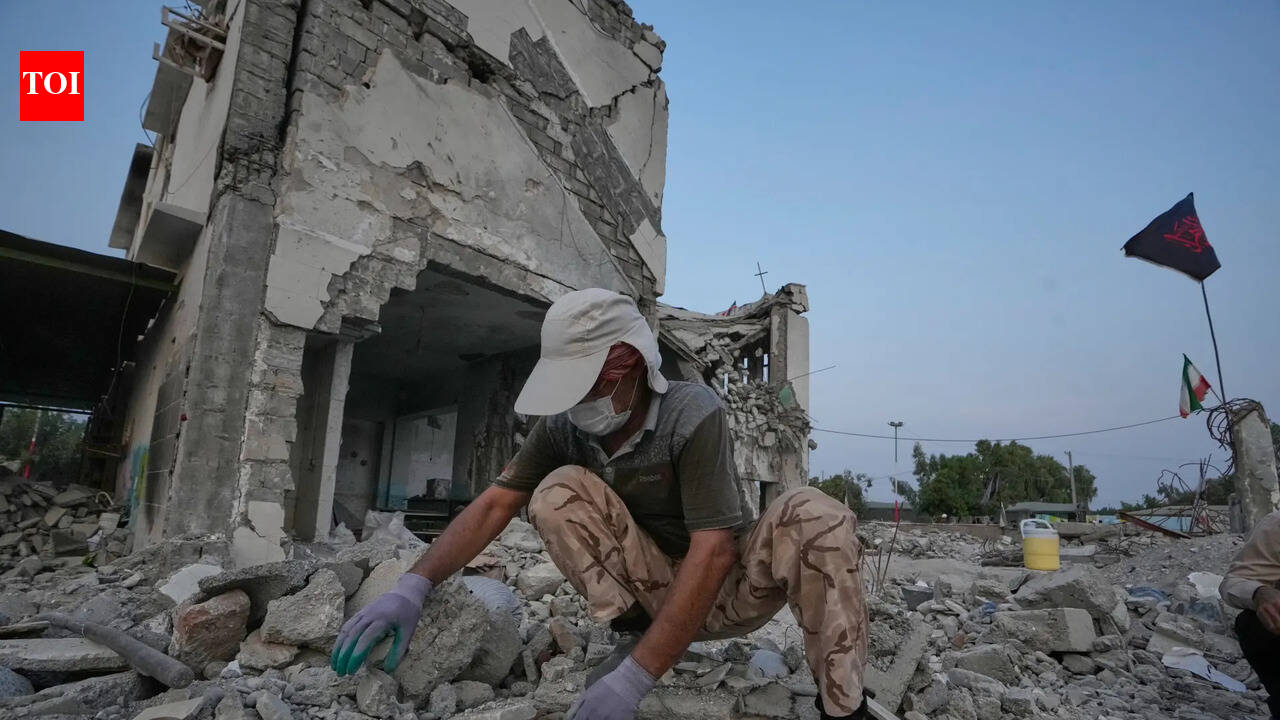
A U.S. airstrike on a school in Minab, Iran, resulted in over 150 deaths, including 123 children. Investigations suggest systemic failures involving the AI-powered Maven Smart System, outdated intelligence, and inadequate civilian harm assessments.
The Tragic Minab Incident: A Failure of AI-Augmented Warfare
The recent tragedy in Minab, Iran, where a U.S. missile strike obliterated the Shajareh Tayyebeh school, has ignited a fierce global debate regarding the integration of artificial intelligence in military targeting. With over 150 lives lost, including 123 children, the incident stands as a harrowing example of how technological reliance, when combined with systemic human failure, can result in catastrophic civilian harm.
The Role of the Maven Smart System
At the center of this controversy is the Maven Smart System, an AI-powered tool designed to process vast amounts of surveillance data to assist in target identification. While the investigation indicates that the AI did not independently select the school as a target, its role in the 'kill chain' remains pivotal. The reliance on algorithmic processing appears to have created a false sense of security, leading human operators to overlook critical flaws in the data provided.
Intelligence and Procedural Lapses
Beyond the software, the investigation highlights a series of human and procedural lapses that compounded the disaster. Investigators found that the military operated on outdated satellite imagery and intelligence that failed to reflect the current reality of the site. This failure was exacerbated by a rushed targeting process that significantly reduced the rigor of civilian-harm checks, a critical safeguard intended to prevent precisely this type of outcome.
The Dangers of Automated 'Kill Chains'
This incident underscores the inherent risks in modernizing military operations through automation. The 'kill chain'—the process of identifying, tracking, and engaging a target—is increasingly reliant on speed. When the pressure to execute a strike outpaces the capacity to verify the intelligence underpinning that strike, the results can be fatal. The Minab school strike suggests that current military protocols may be struggling to keep pace with the velocity of AI-assisted decision-making.
Broader Implications for Global Security
The international community is now forced to reckon with the ethics of AI in combat. This event serves as a grim case study on the necessity of 'human-in-the-loop' oversight. If the Pentagon's targeting processes were bypassed or rushed due to technological over-reliance, it raises questions about the accountability of AI systems in warfare. The demand for stricter regulatory frameworks and more robust verification protocols has never been more urgent.
Future Trends and Path Forward
Looking ahead, this tragedy will likely trigger a massive overhaul of how the U.S. military utilizes AI-enabled systems. Future trends will likely shift toward 'explainable AI,' where the rationale behind a system's suggestion must be transparent to human operators. The legacy of the Minab incident will be a cautionary tale, influencing the development of future military technologies and the tightening of rules of engagement to ensure that no child’s life is lost to an algorithmic oversight ever again.