Xi Jinping tests Donald Trump with 'Thucydides Trap'
Source Entity
CHIDANAND RAJGHATTA
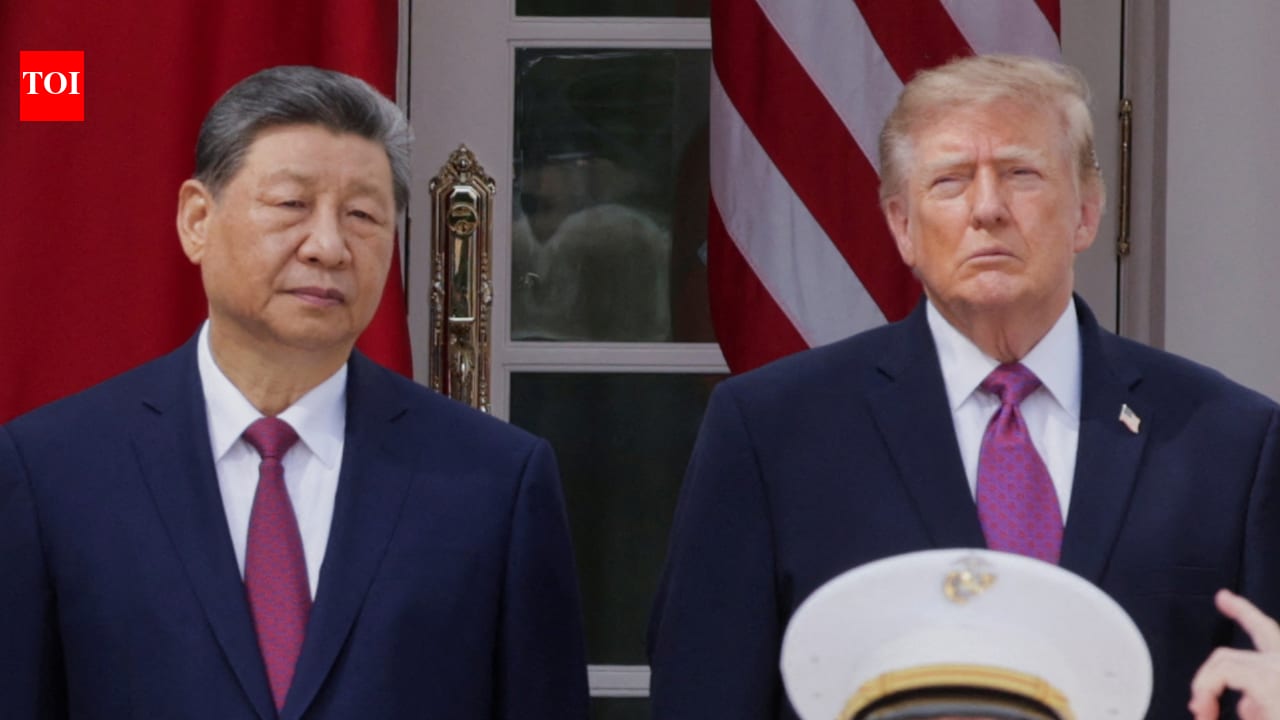
US-China relations are showing signs of economic and diplomatic stabilization, marked by a surge in export orders and a high-profile summit featuring tech industry leaders. President Trump gifted a bald eagle sculpture to President Xi, while discussions shifted toward the critical global challenges of AI safety.
A New Chapter in U.S.-China Diplomacy
The recent summit between U.S. President Donald Trump and Chinese President Xi Jinping marks a pivotal moment in the bilateral relationship between the world's two largest economies. Following a period of heightened geopolitical tension, the recent state dinner in Washington served as a backdrop for both symbolic gestures and substantive economic realignment. The presence of high-level industry leaders suggests a strategic pivot toward collaborative governance in critical sectors.
Economic Rebound and Supply Chain Stability
Data from the China Beige Book, which surveyed 1,296 Chinese firms, reveals a surprising uptick in U.S. orders for Chinese goods. This surge in trade, observed in the weeks leading up to the summit, indicates that businesses are actively positioning themselves for a period of relative stability. As China's relative tariff position has improved, the manufacturing sector in regions like Shenzhen—epitomized by the bustling activity at Yantian Port—is seeing a renewed flow of exports, signaling a cautious optimism among global supply chain managers.
The Symbolism of Diplomacy
Beyond the economic data, the summit was punctuated by traditional diplomatic pageantry. President Trump’s decision to gift a bald eagle sculpture to President Xi was a calculated gesture intended to represent the national spirit of the United States. By framing the gift as an embodiment of a "free and soaring spirit," the administration sought to establish a tone of mutual respect and national pride, attempting to bridge ideological divides through the language of cultural artifacts.
AI Governance at the Forefront
Perhaps the most significant development of the summit was the focus on Artificial Intelligence. With existential risks regarding AI reaching a fever pitch, the inclusion of industry titans like Nvidia’s Jensen Huang, SpaceX’s Elon Musk, AMD’s Lisa Su, and Apple’s Tim Cook at the state dinner was highly intentional. By bringing together leaders from OpenAI, Google, and Microsoft alongside the two heads of state, the summit elevated AI safety and regulation to the top of the global geopolitical agenda.
Broader Geopolitical Implications
This integration of corporate leadership into high-level diplomatic discussions suggests a new model for international relations where tech policy is no longer secondary to traditional statecraft. As these nations navigate the complexities of AI development, the collaborative dialogue between the U.S. and China will likely serve as the primary framework for establishing global standards, potentially mitigating the risks of an unbridled technological arms race.
Future Trends and Outlook
Looking ahead, the stability of U.S.-China relations will likely hinge on the continuity of these trade flows and the success of the discussed AI safety frameworks. If the "surprise" rebound in exports sustains momentum, it may provide the economic cushion necessary for both nations to pursue deeper cooperation on sensitive technological issues. The summit has effectively reset the stage, moving from a period of overt friction toward a fragile but necessary engagement.
Multiple Citing Sources