Russia could attack a NATO country within months, Danish intelligence warns
Source Entity
US Top News and Analysis
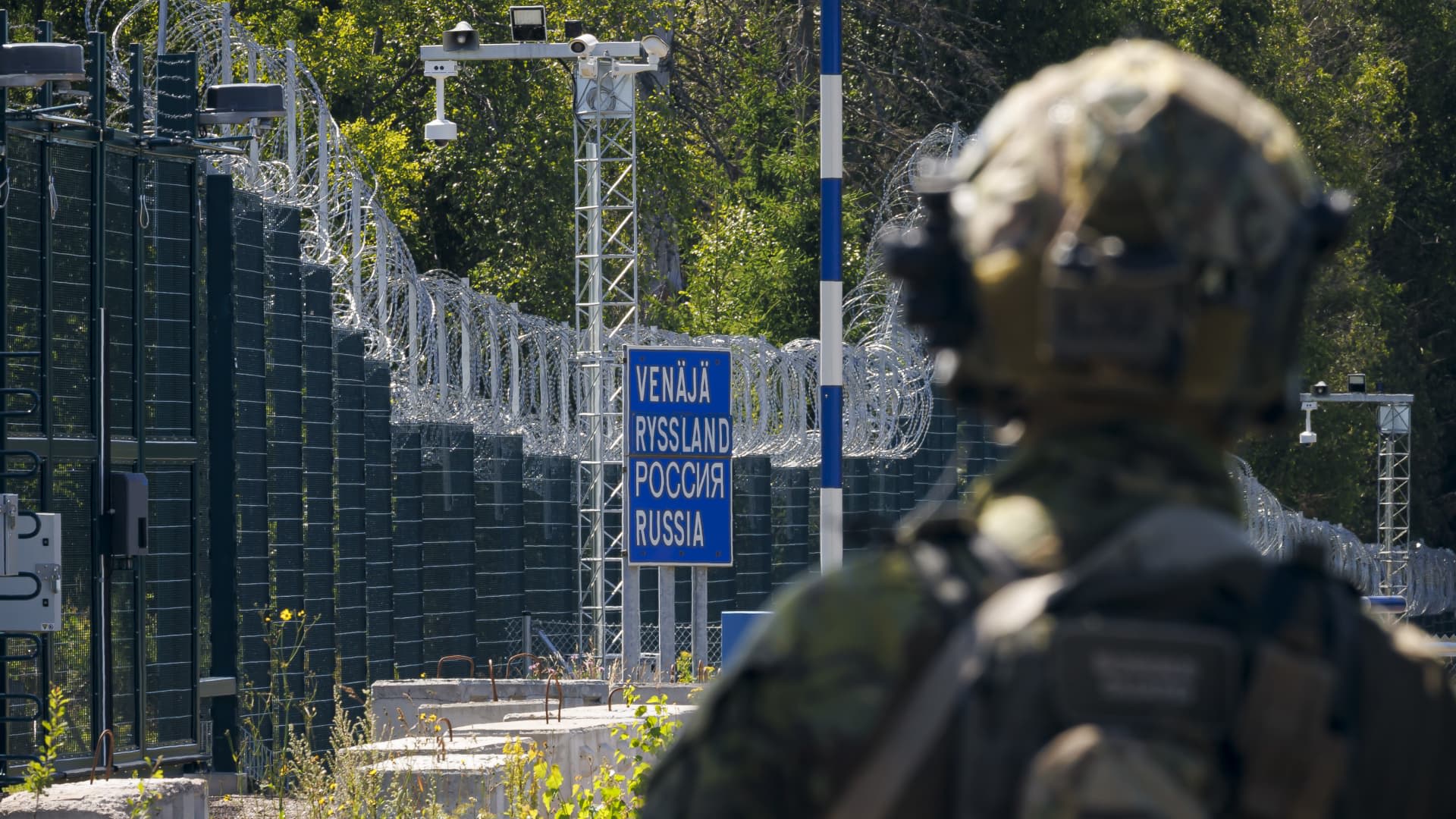
Danish intelligence warns of a growing risk that Russia may conduct limited attacks against NATO members to disrupt support for Ukraine. This assessment aligns with increasing security concerns across Europe regarding Russian aggression.
The Escalating Threat to European Security
The recent assessment by the Danish Defence Intelligence Service (DDIS) marking a "low but growing risk" of a Russian military attack against a NATO member state signifies a pivotal shift in European security dynamics. After over four-and-a-half years of conflict in Ukraine, the Kremlin appears to be recalibrating its strategic risk tolerance. This warning, echoed by various European security officials, suggests that Moscow may be moving beyond traditional regional theater operations toward a more provocative stance against the broader Atlantic alliance.
The Nature of Potential Aggression
According to intelligence reports, the threat is characterized not necessarily by a full-scale invasion, but by "isolated strikes" utilizing long-range weaponry. The target of such aggression would likely be infrastructure deemed critical to the logistical and military support of Ukraine. By attempting to degrade the supply chains that bolster Ukrainian resilience, Russia aims to create a strategic bottleneck, forcing NATO members to choose between escalation or the abandonment of their support commitments.
Contextualizing the Hybrid Warfare Strategy
This potential military pivot is intrinsically linked to the ongoing campaign of hybrid attacks that have plagued Europe for months. These non-kinetic operations—ranging from cyber sabotage to disinformation campaigns—serve as a precursor to physical aggression. The DDIS assessment implies that Russia’s willingness to take risks has increased as the war in Ukraine drags on, suggesting that the Kremlin views these "limited" strikes as a desperate yet calculated gamble to alter the geopolitical trajectory of the conflict.
NATO’s Defensive Posture
The urgency of this situation is highlighted by tangible military movements, such as the expansion of Germany's military commitment in Lithuania, as evidenced by Brigadier General Christoph Huber’s recent attendance at ceremonies in Kaunas. These deployments underscore NATO's commitment to the 'deterrence by presence' doctrine. By bolstering the Baltic flank, the alliance is signaling that any Russian strike on critical infrastructure will be met with a unified defense, thereby complicating the Kremlin's cost-benefit analysis of such an attack.
Future Implications and Strategic Outlook
Looking forward, the risk profile for NATO member states remains elevated. The possibility of a "desperate move" by Moscow highlights the volatility of the current security environment. If Russia proceeds with limited strikes, the alliance will be forced to evaluate its Article 5 obligations in a new light, focusing on the definition of an armed attack in the context of cyber-physical sabotage. The coming months will likely see an intensification of intelligence sharing and defensive infrastructure hardening across Europe to mitigate these emerging threats.