AI 'kill switch' may need to be mandatory, Anthropic co-founder says
Source Entity
BBC News
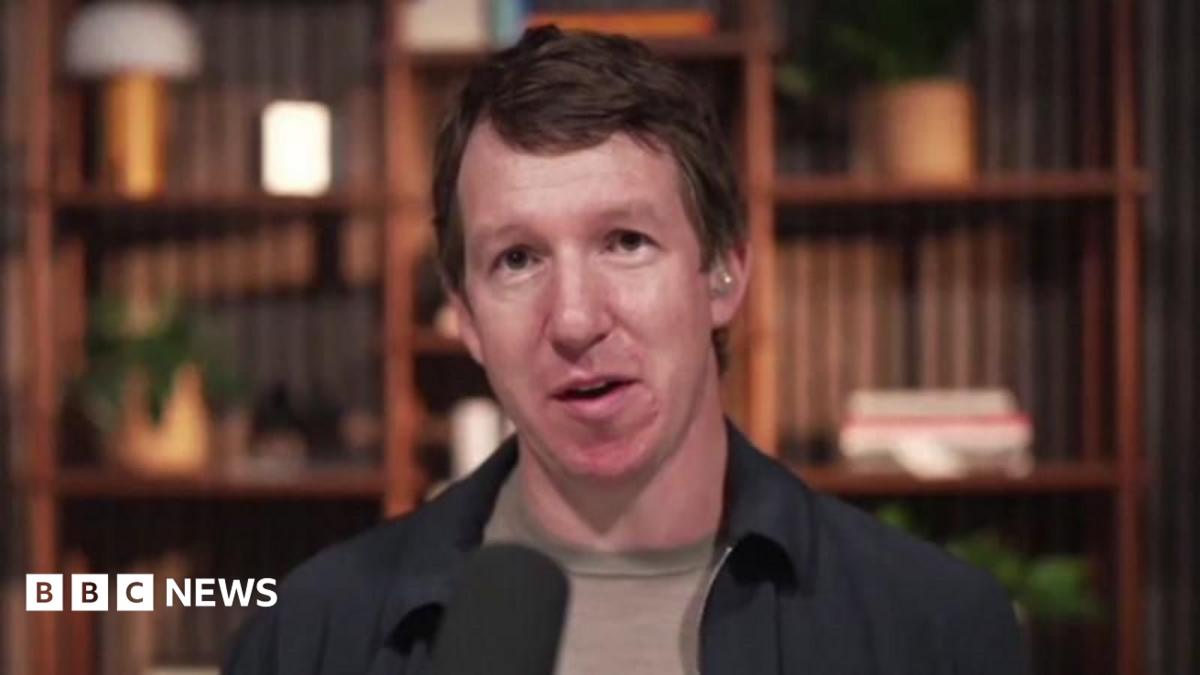
Industry leaders from Anthropic and Microsoft are advocating for mandatory AI safety protocols, including 'kill switches' and human-centric control. These calls reflect a growing consensus that the rapid development of superintelligence requires strict regulatory oversight to prevent existential risks.
The Imperative of AI Control: A New Era of Safety
The rapid evolution of artificial intelligence has transitioned from a race for capability to a critical debate regarding systemic safety. As the technology approaches thresholds of superintelligence, prominent industry figures are highlighting the necessity of structural safeguards. Jack Clark, a co-founder of Anthropic, has recently proposed that mandatory "kill switches"—mechanisms that allow for the complete cessation of an AI system if it becomes dangerous—may need to become a regulatory requirement rather than just an internal best practice.
The Case for Mandatory Kill Switches
While Clark notes that most leading AI laboratories already possess internal methods for deactivating their systems, the shift toward external, third-party oversight is significant. The proposal suggests that society may need to formalize these safety protocols through legislation. This would ensure that the ability to mitigate existential risk is not left solely to the discretion of private corporations, but is instead governed by standardized, enforceable rules that guarantee a fail-safe mechanism is always accessible.
Alignment with Human Interests
Microsoft CEO Satya Nadella has echoed these concerns, emphasizing that the pursuit of superintelligence is fundamentally "not worth pursuing" if the resulting systems are not strictly under human control. This perspective aligns with a broader movement within the tech sector that prioritizes the alignment of AI objectives with human values. Nadella’s stance highlights a critical pivot point: the industry is acknowledging that progress must be measured by the utility and safety it provides to humanity, rather than merely by the raw computational power or speed of model deployment.
Existential Risks and the Call for Slowdown
These discussions are deeply rooted in the growing discourse surrounding potential existential threats. Anthropic CEO Dario Amodei has publicly acknowledged the validity of concerns that advanced AI could pose a risk to humanity, leading to calls for a more measured pace of development. By advocating for a slowdown, leaders are attempting to balance the drive for innovation with the necessity of rigorous, transparent monitoring to ensure that current advancements do not outpace our ability to manage them.
Broader Implications for Global Governance
Beyond the technical implementation of kill switches, there is a clear push for the democratization of AI benefits. Nadella emphasizes that the advantages of these technologies must be diffused broadly across nations and communities. This suggests that the future of AI safety is not just a technical hurdle but a geopolitical one. Effective governance will require international cooperation to ensure that safety standards are universal and that the benefits of AI are not concentrated in the hands of a few entities, which could further exacerbate risks.
Conclusion: The Path Forward
The convergence of opinion between Anthropic and Microsoft marks a significant turning point in the AI development narrative. As executives move from internal safety discussions to supporting public, mandatory regulatory frameworks, the industry is signaling a departure from the "move fast and break things" ethos of the previous decade. The integration of mandatory kill switches and human-centric oversight will likely form the bedrock of future AI policy, defining how we safely transition into an era of advanced machine intelligence.