AI is neither poison nor panacea for doctors
Source Entity
Latest News: Todays Latest News Headlines from India & World | Hindustan Times | Hindustan Times
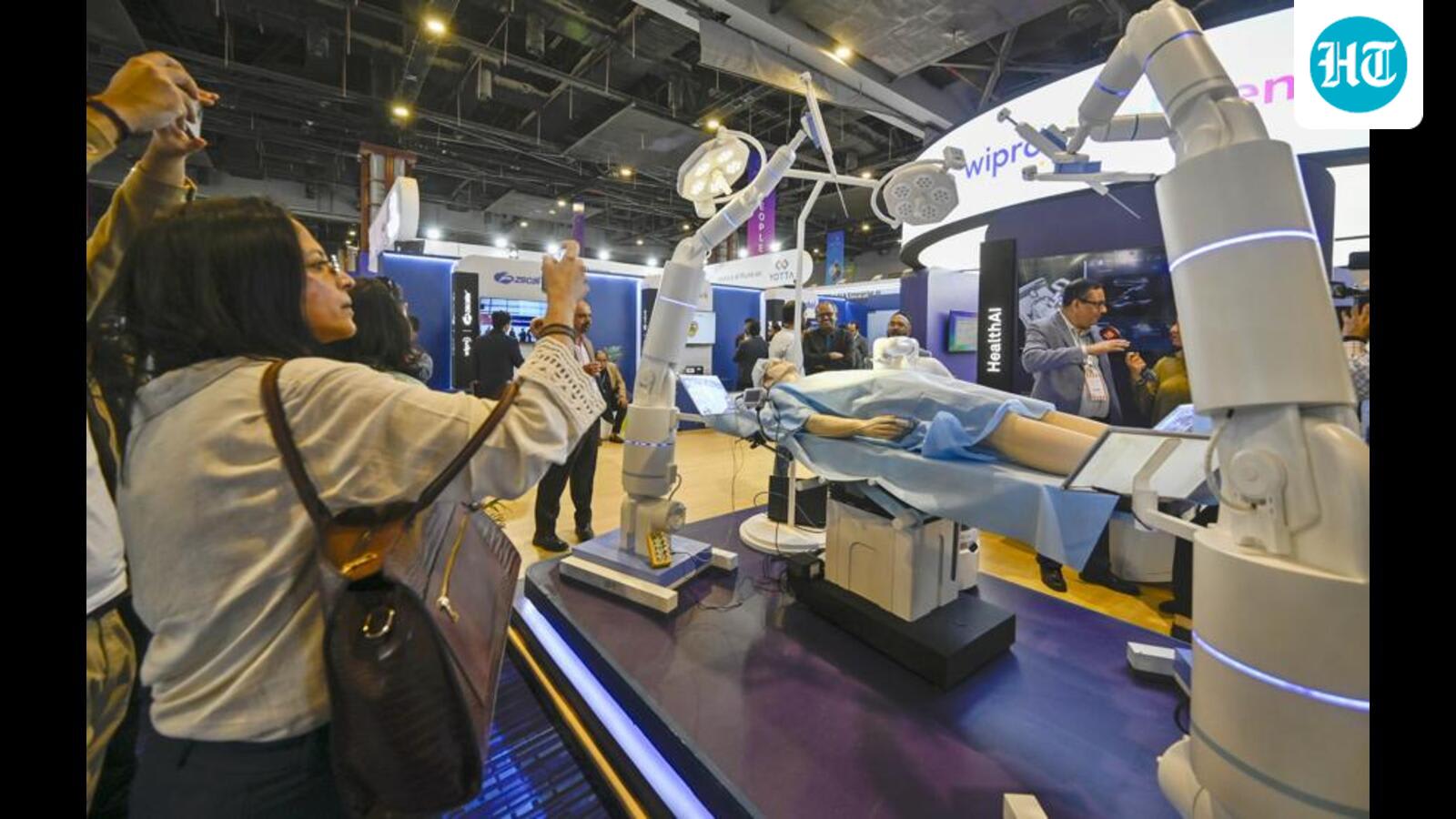
Artificial intelligence is increasingly integrated into clinical settings to improve diagnostic accuracy and efficiency. However, the technology introduces critical questions regarding liability, patient agency, and the irreplaceable role of human judgment in medical care.
The Dual-Edged Sword of AI in Modern Medicine
The integration of artificial intelligence into the healthcare ecosystem represents a paradigm shift that is neither a panacea nor a poison. As AI tools begin to assist doctors by identifying potential drug interactions and highlighting missed diagnostic details, they offer the promise of enhanced accuracy. However, this technological leap creates a complex, often invisible, triangular relationship between the doctor, the patient, and the algorithm. When both parties consult AI independently—often without the other’s knowledge—the potential for conflicting information becomes a significant clinical hurdle.
The Challenge of Disagreement and Liability
One of the most pressing issues in this new era is the lack of a standardized framework for handling AI-doctor disagreements. If an AI system provides a suggestion that contradicts a physician’s clinical judgment, or if two distinct AI programs yield different results, the path forward becomes obscured. This technical uncertainty is compounded by the profound legal and ethical question of accountability. If a machine’s recommendation leads to patient harm, the current legal landscape is ill-equipped to determine liability, placing the burden on human practitioners to navigate a landscape where they may not fully understand the 'reasoning' of the software.
Beyond Cognitive Tasks: The Human Element
While experts in journals like JAMA predict that autonomous AI will eventually outperform humans in specific cognitive tasks—such as pattern recognition in diagnostic imaging or data-heavy predictive modeling—medicine remains a fundamentally human endeavor. Automating a diagnosis is a purely technical function, but it cannot account for the nuanced realities of a patient's life. AI systems currently lack the capacity to weigh whether a treatment is financially feasible for a patient or whether it aligns with their personal goals and values regarding end-of-life care or quality of life.
Defining the Future Role of the Physician
As we look toward 2026 and beyond, the automation of medical tasks necessitates a clear, re-evaluation of the physician's role. The technology should be viewed as a tool for augmentation rather than a total replacement of clinical oversight. The physician must remain the primary arbiter of care, serving as the bridge between raw data and the patient's lived experience. The critical question remains: 'How much care should AI be allowed to perform?' This is not just a technological question, but a societal one that involves setting boundaries on where computation ends and human compassion begins.
Concluding Thoughts on Clinical Integration
Ultimately, the future of medicine lies in a balanced synthesis of machine intelligence and human wisdom. While AI can undoubtedly shorten task times and expand the reach of care, it cannot replicate the empathy or the ethical weight of the doctor-patient relationship. Ensuring that AI remains a supportive participant rather than an autonomous decision-maker will be the defining challenge of the next decade of healthcare innovation.
Verification Required?