AI jobs advertise $177,000 salaries — more than double non-AI roles — yet women land just 26% of hires
Source Entity
Yahoo Finance
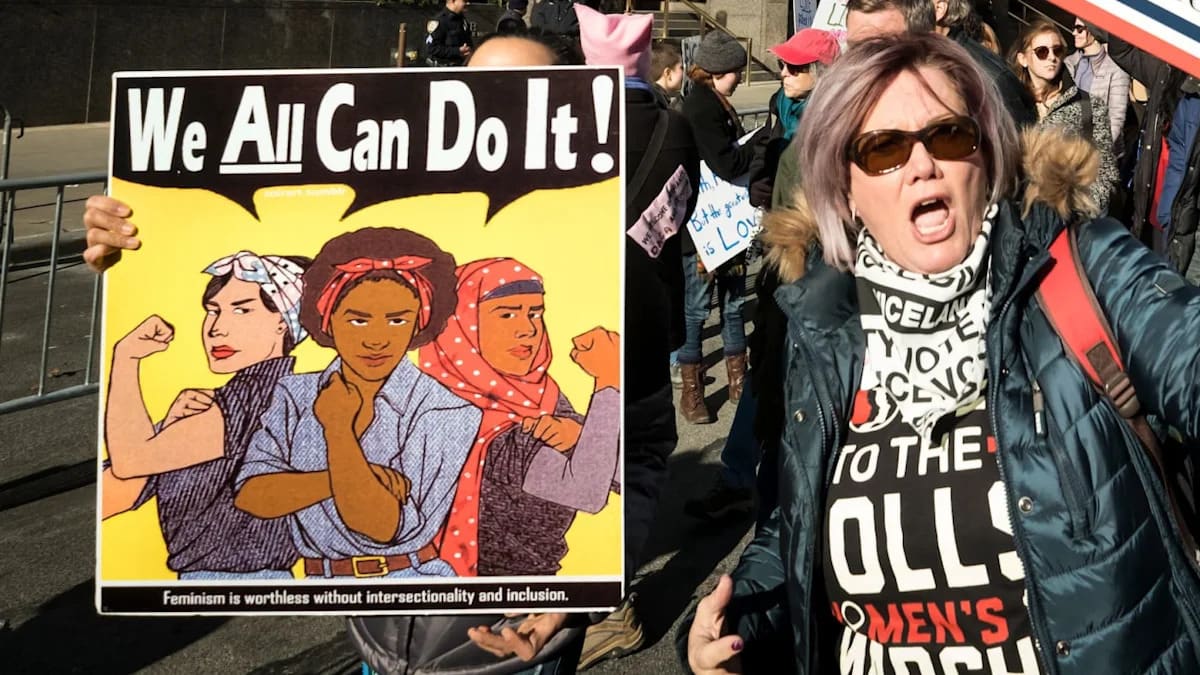
New LinkedIn data reveals AI-related roles command salaries over double those of non-AI positions, averaging $177,000. However, women remain significantly underrepresented in this lucrative sector, securing only 26% of AI-skilled hires in 2025.
The Dual Reality of the AI Gold Rush
The rapid integration of artificial intelligence into the global economy is creating a distinct economic bifurcation. While many fear widespread job displacement, the emergence of AI-specialized roles is fueling a high-wage tier of employment that significantly outpaces traditional sectors. According to recent LinkedIn research, AI-related job listings now command an average salary of $177,000, a figure more than double the $80,000 average for non-AI roles. This premium reflects the scarcity of specialized technical talent and the high value organizations place on integrating machine learning and generative AI into their operational infrastructures.
The Gender Gap in High-Stakes Hiring
Despite the clear financial incentives, the demographic distribution within this booming sector is cause for concern. Data from 2025 indicates that women represent only 26% of hires into positions requiring AI skills. This statistic highlights a persistent structural issue within the technology sector, where historical underrepresentation is being compounded by the rapid growth of new, high-barrier-to-entry fields. If these hiring trends persist, the AI revolution risks exacerbating existing income inequality rather than acting as a democratizing force for professional advancement.
Economic Implications of the Pay Divide
The $97,000 salary gap between AI and non-AI roles is more than just a statistic; it is a reflection of how market demand dictates value in the digital age. As companies rush to digitize their services, the premium on AI proficiency has created a 'winner-take-all' dynamic. This creates a significant incentive for talent to pivot toward AI, yet the barrier to entry—often rooted in specialized education and previous exposure to tech-heavy environments—remains unevenly distributed, further marginalizing groups that have historically been excluded from tech leadership pipelines.
Historical Context and Future Outlook
The technology industry has long struggled with gender parity, a trend that appears to be repeating itself in the AI era. Throughout the rise of software engineering and data science, efforts to encourage diversity often faced challenges in recruitment and retention. By failing to integrate a more diverse workforce into the foundational stages of AI development, the industry risks creating products that lack diverse perspectives and missing out on a wider talent pool. This oversight could ultimately limit the long-term innovation capacity of the sector.
Conclusion: Bridging the Divide
To ensure that the economic benefits of the AI boom are distributed equitably, industry leaders and policymakers must address the hiring disparity as a matter of strategic priority. The current data suggests that without proactive intervention, the AI job market will continue to reflect and deepen existing societal inequities. Moving forward, the focus must shift from merely hiring for technical skills to fostering inclusive pipelines that prioritize diversity as a key component of sustainable economic growth.