Bull or bear market? AI spurs rethink of traditional market measures
Source Entity
Yahoo Finance
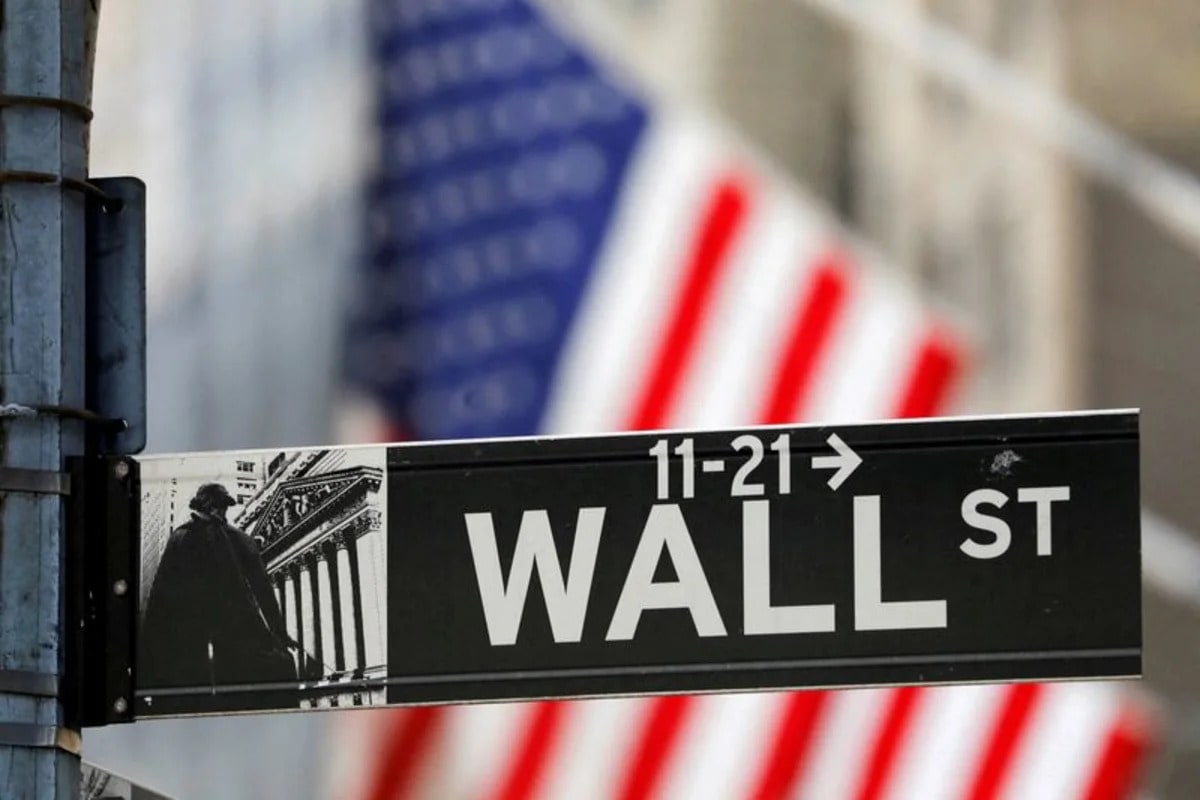
The rapid volatility of AI-driven tech stocks is challenging traditional market definitions like 'bear' and 'bull' markets. Analysts suggest that conventional labels may no longer adequately describe the high-frequency fluctuations seen in modern indices.
The Erosion of Traditional Market Taxonomy
For decades, Wall Street has relied on a binary and simplified vocabulary to describe market sentiment. A 20% decline from recent highs has long been the definitive threshold for a 'bear market,' while consistent upward movement characterizes a 'bull market.' However, the current financial landscape, heavily influenced by the hyper-volatility of Artificial Intelligence (AI) sector stocks, is forcing a critical re-evaluation of these archaic metrics. As indices experience massive, rapid swings, the traditional labels are increasingly failing to capture the underlying economic reality.
The Volatility Paradox
The core of this debate lies in the nature of modern tech-heavy indices. When an index records significant gains and losses in a single day while still maintaining a strong positive trajectory for the year, the binary classification becomes logically inconsistent. Experts like Art Hogan of B. Riley Wealth have characterized the current usage of these terms as 'lazy nomenclature.' This suggests that applying a rigid, slow-moving definition to a high-frequency, algorithmically driven trading environment leads to market misinterpretation rather than clarity.
Case Studies in Market Dislocation
The recent performance of the Philadelphia SE Semiconductor Index and South Korea's KOSPI serves as a primary example of this phenomenon. Both indices entered technical bear market territory in July, yet their overall year-to-date performance remains robust. This divergence highlights a structural shift: the 'bear' label implies a sustained period of pessimism and economic decline, yet these indices are merely undergoing intense corrections within a broader, AI-fueled growth narrative. The market is not necessarily 'dying'; it is simply moving at a speed that traditional definitions cannot track.
The Impact of AI on Market Mechanics
AI has fundamentally altered the velocity of capital. Because AI stocks are valued heavily on future growth expectations, news cycles, and technological breakthroughs, they are subject to extreme bouts of re-pricing. When market sentiment shifts regarding the viability of AI infrastructure, the entire index reacts almost instantaneously. This creates a feedback loop where indices appear to be in a 'bear' state based on price action alone, ignoring the fact that the underlying sector remains the primary engine of global market growth.
Future Trends and Market Literacy
As we look forward, the reliance on single-percentage thresholds will likely diminish in favor of more nuanced metrics that account for volatility, time-duration, and sector-specific drivers. Investors and analysts may need to develop a new vocabulary that distinguishes between 'cyclical corrections' and 'structural bear markets.' Failure to update these definitions could lead to irrational panic selling or missed opportunities, as the traditional 'bear' signal may no longer carry the weight of a fundamental economic downturn.
Conclusion
The debate sparked by recent market gyrations is a necessary evolution in financial literacy. By moving away from rigid, legacy terminology, the financial community can better understand the current era of AI-driven volatility. The challenge for the future will be to create a framework that respects the speed of modern technology while maintaining the analytical rigor required to distinguish between market noise and a true shift in economic health.