A 'weird' IPO pull, a tainted reputation and the stalled breakout moment for AI wearables
Source Entity
US Top News and Analysis
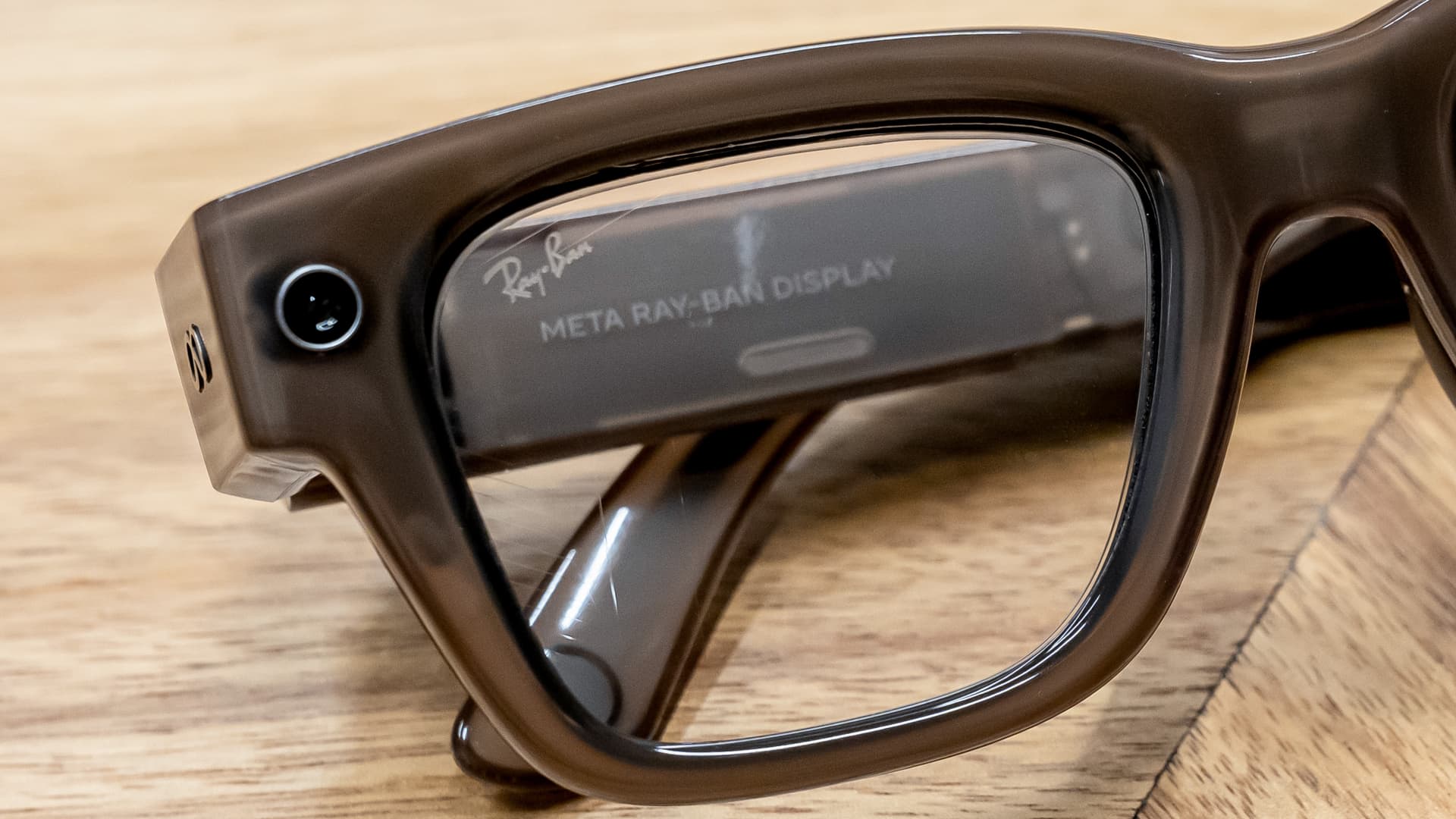
Tech giants like Apple, Google, and Meta are aggressively pushing AI-integrated wearables despite rising public anxiety. Growing privacy concerns and instances of non-consensual recording are creating significant hurdles for the industry's mainstream adoption.
The Stalled Ascent of AI Wearables
The technology sector is currently witnessing a massive push by industry titans—Apple, Google, and Meta—to integrate artificial intelligence into everyday wearable accessories. From smart glasses to rings and pendants, the goal is to shift consumer interaction with technology from screen-based interfaces to ambient, always-on AI assistants. However, this transition is meeting significant resistance as the public grapples with the inherent privacy implications of devices that can record and process information in real-time.
The Privacy Dilemma: A Case Study in Social Friction
Recent reports highlight a growing unease among consumers, exemplified by the experience of Bella Nowroozi. After discovering her date was wearing Meta Ray-Ban smart glasses equipped with recording capabilities, her immediate sense of violation underscored a critical disconnect between technological advancement and social norms. When users perceive these devices as tools for surveillance rather than utility, the 'breakout moment' for AI wearables faces a severe reputational crisis that marketing campaigns may struggle to overcome.
The Erosion of Consent in Public Spaces
These wearable devices operate in a gray area of social etiquette and legal oversight. Unlike smartphones, which require active manipulation to record, smart glasses can capture audio and video discreetly. As Nowroozi's experience indicates, the presence of a blinking light—while intended to signal recording—is not always sufficient to mitigate the fear of being captured without consent. This creates a chilling effect on social interactions, where the mere possibility of being recorded forces individuals to withdraw from public or semi-private settings.
Corporate Strategy vs. Public Trust
For companies like Meta and their competitors, the challenge is twofold: they must continue to innovate to maintain market leadership, yet they must also cultivate a sense of safety to ensure mass-market adoption. Currently, the industry is struggling to balance the 'cool factor' of AI-integrated hardware with the fundamental human need for privacy. If these tech giants fail to implement robust, transparent, and user-friendly privacy safeguards, they risk alienating the very demographic they hope to convert into daily users.
Future Trends and Market Sustainability
Looking ahead, the success of the AI wearable category will likely hinge on regulatory frameworks and the development of 'privacy-first' hardware. We may see a future where social norms catch up to technology, or where developers are forced to include more explicit, perhaps even mandatory, physical indicators that recording is taking place. Ultimately, the industry's ability to navigate these 'weird' and tainted perceptions will determine whether AI wearables become an indispensable part of human life or remain a niche product plagued by social stigma.