Cracks deepen in AIADMK dissidents’ camp
Source Entity
India Latest News: Top National Headlines Today & Breaking News | The Hindu
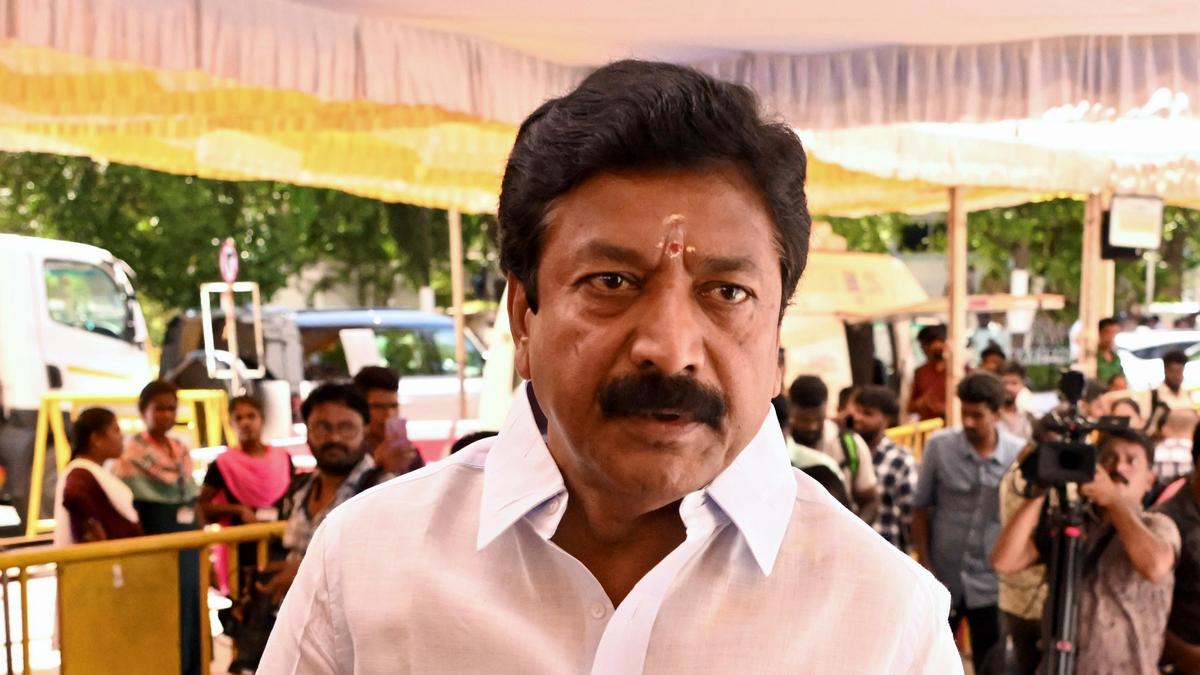
The AIADMK rebel camp is showing signs of fragmentation as former ministers take divergent paths regarding party review meetings. While some leaders continue to boycott events, others have begun engaging with General Secretary Edappadi K. Palaniswami.
Internal Fractures Within the AIADMK Rebel Faction
The AIADMK, one of Tamil Nadu's most influential political entities, is currently navigating a period of significant internal volatility. Recent reports indicate that the dissident camp, previously united in its opposition to General Secretary Edappadi K. Palaniswami (EPS), is experiencing a notable divergence in strategy. This shift was underscored on Friday when former Law Minister C.Ve. Shanmugam conspicuously absented himself from an official review meeting for the Villupuram district, signaling a continued resistance to the current party leadership's consolidation efforts.
The Duality of Dissent and Compliance
The political landscape within the opposition camp is increasingly fragmented. While C.Ve. Shanmugam’s boycott aligns him with hardline dissenters like Natham R. Viswanathan, P. Thangamani, and S.P. Velumani, others are adopting a more pragmatic approach. The attendance of former Food Minister R. Kamaraj at the Tiruvarur review meeting highlights a growing rift between those maintaining a hardline stance and those willing to engage with the EPS-led hierarchy. This inconsistency suggests that the rebel faction lacks a unified long-term strategy, making them vulnerable to the central party's efforts to regain control.
Leadership Consolidation Efforts
Edappadi K. Palaniswami’s recent maneuvers, specifically the systematic removal of rebels from the influential post of district secretary, have served as the primary catalyst for these tensions. By conducting district-wise performance reviews in regions like Salem and Tiruvallur, EPS is effectively asserting his authority and testing the loyalty of the party cadre. These meetings are not merely administrative; they are strategic exercises designed to stabilize his command over the party machinery and force dissidents to choose between political isolation or reconciliation.
Historical Context and Strategic Implications
The current infighting reflects a broader struggle for the soul of the AIADMK following the death of its long-time leader, J. Jayalalithaa. The party has struggled to maintain the monolithic structure that characterized its past, leading to a recurring pattern of factionalism. The fact that members like Leema Rose Martin and G. Hari previously participated in review sessions indicates that the 'rebel' label is becoming increasingly fluid. Some leaders appear to be weighing the cost of continued rebellion against the necessity of maintaining a foothold within the party's formal structure.
Future Trends and Political Stability
Looking ahead, the deepening cracks in the dissident camp suggest that EPS may successfully consolidate power if the rebels continue to act in silos rather than as a cohesive bloc. The future of the AIADMK will likely be defined by whether the remaining dissidents can find a common platform or if they will eventually be absorbed back into the main party under the current leadership's terms. As district-level meetings continue, observers should monitor whether more high-profile rebels follow R. Kamaraj’s lead, as this would signify the effective collapse of the organized opposition within the party.
Verification Required?