345 AICTE-approved technical institutions shut in 3 years; Maharashtra records highest closures
Source Entity
The Indian Express
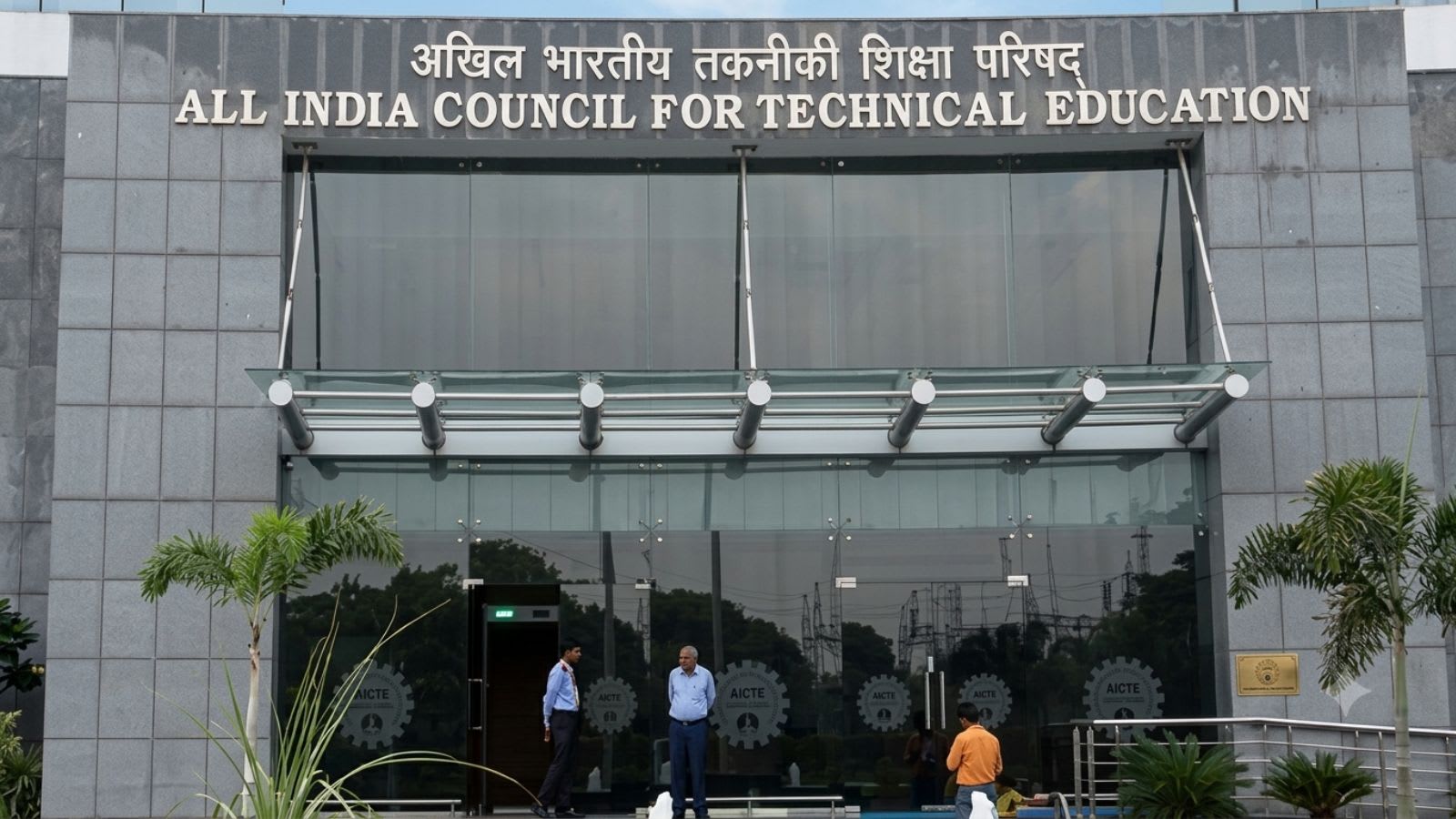
Data presented in the Lok Sabha reveals that 289 AICTE-approved technical institutions have closed across 17 states over the last three years. Maharashtra reported the highest number of closures, prompting a review of the regulatory environment for technical education.
The Contraction of India's Technical Education Landscape
Recent data tabled in the Lok Sabha by the Ministry of Education has shed light on a significant consolidation within India’s higher education sector. According to the report, 289 AICTE-approved technical institutions have ceased operations across 17 states during the last three academic years. This trend highlights a shifting paradigm in technical education, where the supply-demand equilibrium is undergoing a rigorous, albeit painful, adjustment.
Regional Impact and Maharashtra’s Lead
The data underscores a stark regional disparity in these closures. Maharashtra has emerged as the state with the highest number of institutional shutdowns, particularly noted in the 2026-27 academic cycle. While Maharashtra has historically been a hub for technical and engineering education, the recent closures suggest that many institutions are struggling to maintain viability. Uttar Pradesh and Madhya Pradesh also recorded significant numbers of closures, indicating that the challenges facing these institutions are not isolated to a single geography but are prevalent in states with large networks of private technical colleges.
The Role of the AICTE and Regulatory Frameworks
The All India Council for Technical Education (AICTE), as the statutory body overseeing technical education, manages these closures through its Approval Process Handbook (APH). Minister of State for Education Dr. Sukanta Majumdar clarified that the closure process is a structured regulatory function. When institutions can no longer meet the stringent standards for infrastructure, faculty, or student enrollment, the AICTE facilitates their exit. This mechanism is vital for maintaining the quality of education, preventing the proliferation of 'degree mills' that fail to provide adequate technical training.
Drivers of Institutional Obsolescence
The closure of these 289 institutions points toward several underlying economic and pedagogical pressures. The rapid evolution of the technology sector demands skills that many legacy institutions may not be equipped to teach. As the industry moves toward AI, automation, and specialized software development, traditional engineering curricula often lag behind. Students and employers alike are increasingly gravitating toward institutions that offer industry-aligned certifications and modern laboratory facilities, leaving traditional colleges with dwindling enrollment rates.
Broader Implications for Higher Education
This contraction is not necessarily a negative indicator for the Indian education system. By pruning non-viable institutions, the sector may eventually achieve a more stable and quality-focused ecosystem. The reduction in the number of colleges suggests a move toward 'quality over quantity,' where resources are concentrated in institutions that can provide tangible employability outcomes. However, the social impact, including the displacement of faculty and the need for student relocation, remains a significant concern for policymakers.
Future Trends and Outlook
Looking ahead, it is likely that the AICTE will continue to enforce strict compliance metrics, potentially leading to further consolidation. The future of technical education in India will likely be defined by the ability of colleges to pivot toward interdisciplinary studies and hybrid learning models. Institutions that fail to adapt to these shifts will likely continue to face closure, as the market for technical degrees becomes increasingly selective and outcome-oriented.