Air India crash probe: Pilots' body seeks formal consideration of its tech submissions
Source Entity
AASTHA JHA
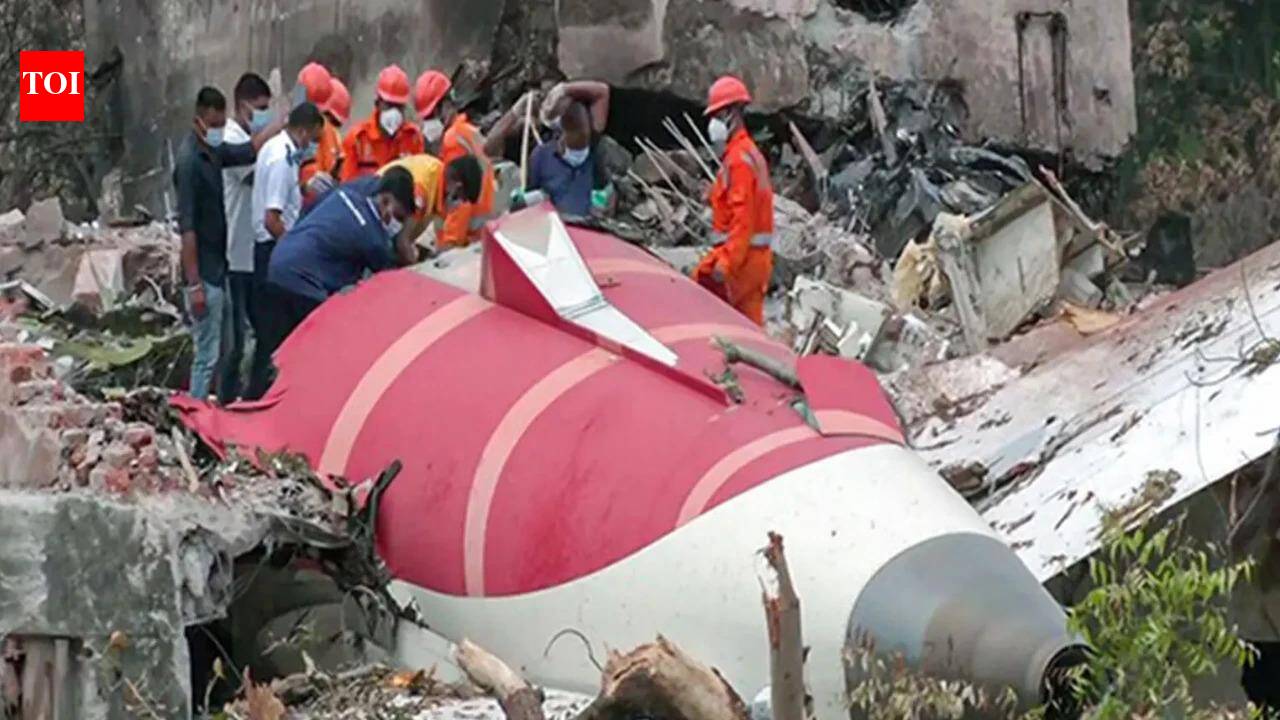
The Federation of Indian Pilots has requested formal representation in the review of the Air India AI171 crash investigation. The body seeks to ensure pilot technical perspectives are included before the final report on the June 2025 tragedy is released.
The Push for Transparency in the AI171 Investigation
The Federation of Indian Pilots (FIP) has taken a significant step in the ongoing aftermath of the June 12, 2025, Air India AI171 crash in Ahmedabad. By formally writing to Civil Aviation Minister Kinjarapu Ram Mohan Naidu, the FIP is advocating for the inclusion of pilot technical expertise in the review process of the draft final investigation report. This move underscores the critical importance of operational input in high-stakes aviation safety inquiries.
Context of the Tragedy
On June 12, 2025, an Air India Boeing 787-8, operating as flight AI171, suffered a catastrophic crash in Ahmedabad shortly after takeoff. The incident resulted in the tragic loss of 260 lives. As the Aircraft Accident Investigation Bureau (AAIB) nears the completion of its investigation, the aviation community is closely watching how the final findings will address the complex factors that led to this disaster.
The Role of Independent Review
Reports indicate that the government may be considering an independent committee to examine the draft final report before it is officially released. The FIP, representing a significant portion of India's commercial pilots, has expressed a desire to be formally nominated to this panel. Their goal is to ensure that the unique, ground-level technical perspective of flight crews is integrated into the oversight process, thereby enhancing the credibility and depth of the final analysis.
Why Pilot Representation Matters
In aviation safety, the 'human factor' and operational reality are paramount. The FIP argues that without pilot representation, technical reports may lack the nuance required to understand the split-second decisions and cockpit dynamics that occur during emergency situations. By seeking a seat at the table, the FIP aims to ensure that systemic issues are not overlooked and that safety recommendations are practical and grounded in the realities of flight operations.
Broader Implications for Aviation Safety
This development highlights a growing demand for transparency in state-led accident investigations. If the government proceeds with an independent review, the inclusion of industry stakeholders like the FIP could set a new precedent for how investigations are conducted in India. It reflects a shift toward collaborative safety management systems, where diverse expertise is valued to prevent the recurrence of such devastating losses.
Conclusion and Future Outlook
As the AAIB continues its work on the AI171 report, the ministry’s response to the FIP’s request will be a key indicator of its commitment to inclusive safety protocols. The aviation industry remains in a state of anticipation, waiting to see if the final report will incorporate these technical submissions. The outcome will likely influence future investigative standards and the industry's collective approach to flight safety protocols.
Multiple Citing Sources