Air India Express ordered to pay Rs 27K after bicycle put on baggage belt
Source Entity
SAURABH THAKUR
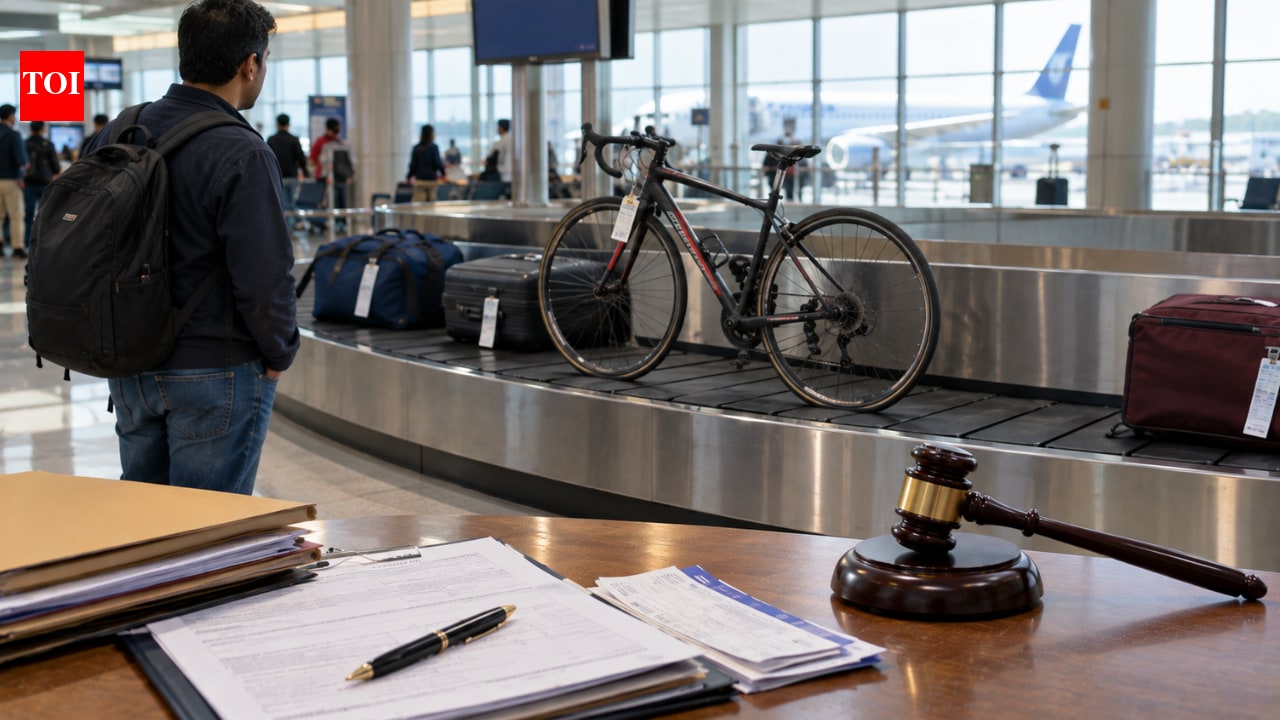
A Karnataka consumer commission has ordered Air India Express to pay Rs 27,000 for failing to provide special handling for a passenger's bicycle. The airline was found guilty of service deficiency after the item was mishandled on the regular baggage belt.
Consumer Justice and Airline Accountability: The Air India Express Ruling
The Incident and Commission Verdict
In a significant ruling by a Karnataka district consumer commission, Air India Express has been held accountable for a failure in service standards. The passenger, Sushanth N.G., had booked a flight from Chennai to Mangalore on July 27, 2025, and proactively paid an additional Rs 2,000 to ensure the 'special handling' of his bicycle. Despite this explicit contractual agreement for specialized care, the airline failed to adhere to its duty of care, resulting in the bicycle being placed on the regular baggage carousel rather than being handled as special equipment.
Defining Deficiency in Service
The consumer commission’s decision centers on the concept of 'deficiency in service.' By accepting a premium payment for a specific service—the protection and specialized transport of sports equipment—the airline entered into a binding commitment. The commission determined that the airline’s failure to deliver this service constituted a breach of consumer trust. By treating the bicycle as standard luggage, Air India Express not only disregarded the passenger's payment but also subjected the equipment to potential damage associated with high-volume, non-specialized baggage handling systems.
Financial Implications and Compensation
The total penalty of Rs 27,000 serves as both a restitution and a deterrent. The order mandates a refund of the Rs 2,000 special handling fee, alongside an additional Rs 25,000 designated for compensation and litigation costs. This breakdown highlights that the commission recognized not just the direct financial loss incurred by the passenger, but also the mental agony and the legal resources required to pursue a grievance against a large corporate entity in a consumer court.
Broader Implications for Airline Protocols
This case underscores a growing trend where passengers are increasingly willing to utilize legal channels to hold aviation companies accountable for service lapses. For airlines like Air India Express, this ruling acts as a reminder that premium service charges must be matched by operational excellence on the ground. When ground handling staff fail to coordinate with booking systems, it creates a disconnect that damages the brand's reputation and leads to costly legal outcomes.
Future Trends in Consumer Protection
As air travel becomes more specialized, with passengers frequently transporting expensive hobby equipment such as bicycles, musical instruments, and professional gear, the aviation industry must modernize its baggage management infrastructure. Future trends suggest that consumer commissions will likely continue to favor passengers in cases where airlines charge for 'special handling' but provide 'standard' service. This case serves as a precedent that operational failures are not merely logistical inconveniences but legal liabilities that can lead to significant financial penalties.