Warren Buffett stepping down as chairman of Berkshire Hathaway: 'Father Time always wins'
Source Entity
US Top News and Analysis
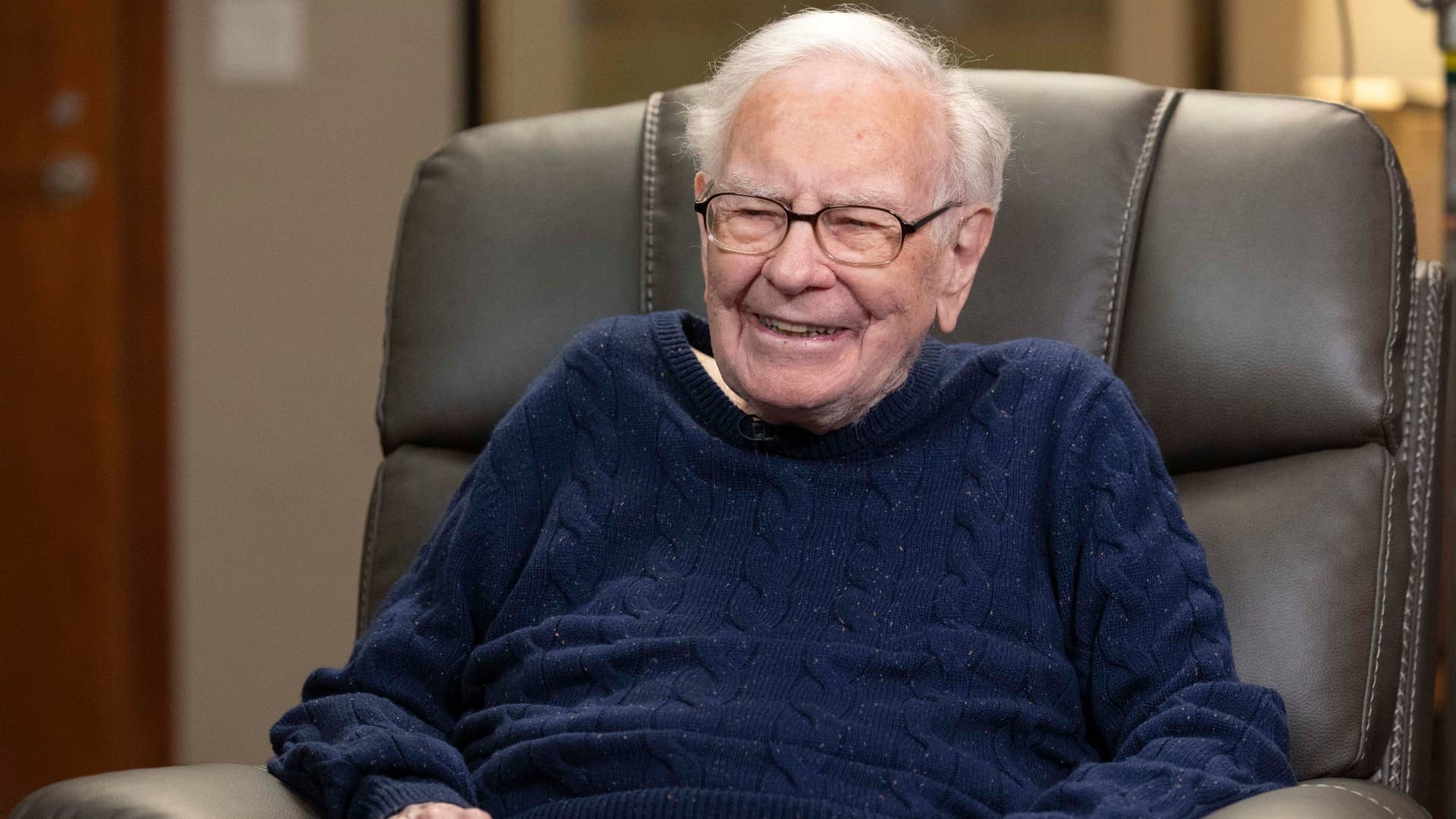
Legendary investor Warren Buffett has stepped down as chairman of Berkshire Hathaway at age 96, transitioning to the role of chairman emeritus. His son, Howard Buffett, will succeed him as chairman, marking the final stage of a long-standing corporate succession plan.
The End of an Era: Warren Buffett’s Transition
Warren Buffett, the iconic investor who transformed Berkshire Hathaway into a $1 trillion global conglomerate, has officially resigned as chairman. At 96 years old, Buffett’s departure marks a historic turning point for the firm he has led since 1965. In a candid letter to shareholders, Buffett acknowledged the inevitability of this transition, famously noting that "Father Time always wins."
A Carefully Orchestrated Succession
The transition is not a sudden pivot but the execution of a long-standing succession plan. Berkshire Hathaway confirmed that Howard Buffett, Warren's son, will assume the role of chairman. This move serves to provide stability and continuity, ensuring that the conglomerate’s foundational values remain intact even as the leadership structure evolves. The company also noted that Susan Decker will continue her role as the lead independent director, reinforcing the firm's commitment to independent oversight.
The Role of Chairman Emeritus
While stepping down from the chairmanship, Buffett is not severing ties with the organization. He has been named "Chairman Emeritus" in recognition of his decades of service and will continue to serve on the board of directors. This arrangement allows the company to retain access to his "valued judgment and perspective" while transitioning day-to-day governance to the new leadership. Having already stepped down as CEO earlier this year, this final move solidifies his shift toward an advisory capacity.
Historical Impact and Corporate Longevity
Since taking control of Berkshire Hathaway in 1965, Buffett’s stewardship has been characterized by a disciplined, long-term approach to value investing. His leadership turned a struggling textile mill into one of the most valuable corporations in history. The current transition represents a critical test for the conglomerate: proving that the culture and investment philosophy built by Buffett can persist under the leadership of the next generation.
Future Implications for Berkshire Hathaway
Market analysts and shareholders alike have long scrutinized the "Buffett succession" as a significant risk factor for the company. By successfully appointing Howard Buffett and maintaining a structured board environment, the company aims to mitigate market uncertainty. The focus will now shift to how the new leadership manages the $1 trillion conglomerate's vast portfolio in an evolving economic landscape, relying on the systems and values Buffett spent nearly six decades perfecting.
Conclusion
Warren Buffett’s departure as chairman is a monumental event in the history of global finance. By embracing the reality of aging with grace and foresight, he has positioned Berkshire Hathaway for a transition that prioritizes institutional stability. As he moves into the role of Chairman Emeritus, the legacy of his leadership will continue to influence the company’s strategic direction for years to come.