Exclusive: For 4 Seconds, Air India Phuket-Delhi Plane Had No Flight Controls
Source Entity
NDTV News Search Records Found 1000
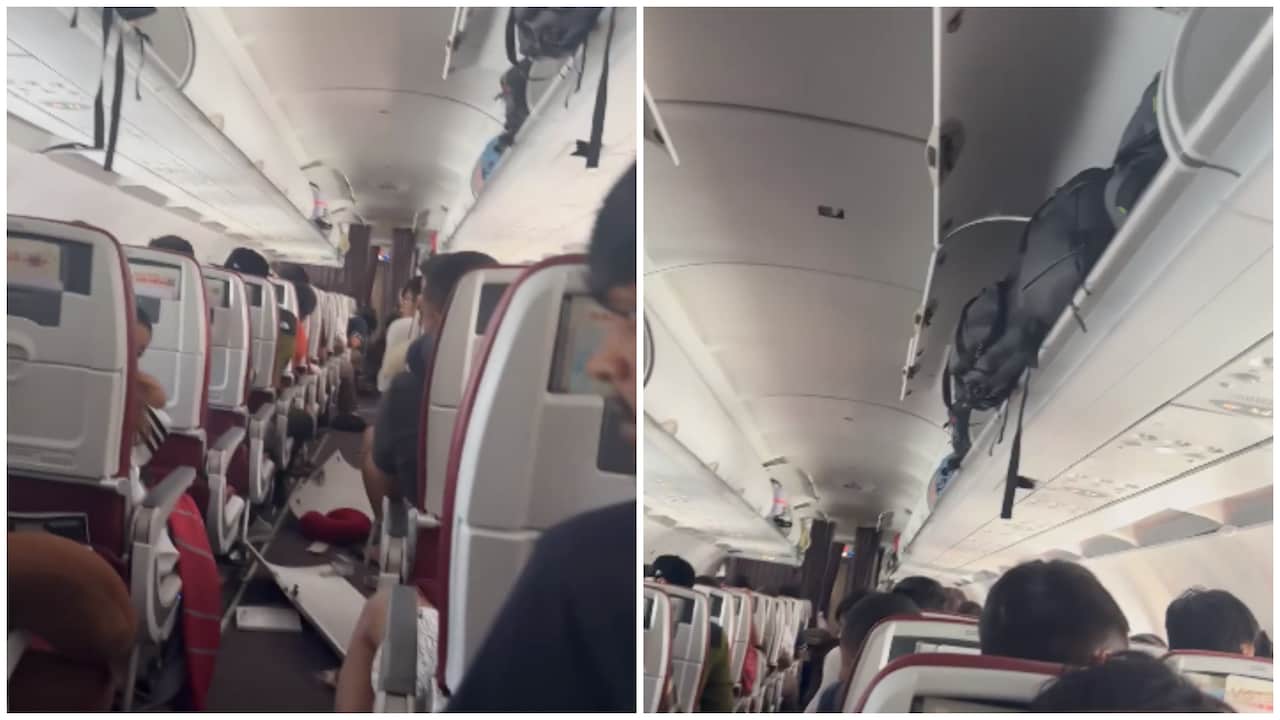
An Air India flight from Phuket to Delhi experienced a terrifying four-second loss of flight controls due to a suspected faulty sensor. Airbus is currently conducting a preliminary investigation and has mandated rigorous testing and maintenance reviews for the aircraft.
Mid-Air Crisis: Unpacking the Air India A320 Incident
On August 4, a routine flight from Phuket to New Delhi (AI-2379) transformed into a harrowing ordeal for passengers and crew. According to preliminary findings, the Airbus A320 experienced a critical failure, losing control of its elevators and ailerons—the primary surfaces responsible for pitch and roll—for approximately four seconds. This sudden loss of maneuverability resulted in a sharp altitude drop, leaving 24 individuals injured.
The Technical Root Cause
Initial assessments conducted by Airbus, based on data retrieved from the Digital Flight Data Recorder (DFDR), point toward a potential malfunction in a pressure sensor. In modern fly-by-wire aircraft like the A320, sensors provide the flight control computers with the necessary data to maintain stability. If a sensor provides erroneous or conflicting data, the system may inadvertently disconnect or behave unpredictably, leading to the temporary loss of pilot input authority that occurred during this flight.
Investigative Protocols and Safety Requirements
In the wake of this event, Airbus has initiated a comprehensive probe to determine the exact sequence of events that led to the four-second control gap. The manufacturer has issued a directive to Air India to perform extensive testing on the specific aircraft involved. Furthermore, Air India is required to provide a detailed history of the aircraft’s recent maintenance activities. This step is critical in determining whether the sensor failure was an isolated incident or symptomatic of a broader maintenance oversight.
Broader Aviation Implications
This incident highlights the delicate interplay between automated flight systems and human intervention. While Airbus aircraft are designed with multiple redundancies, the loss of control surfaces for even a few seconds serves as a stark reminder of the potential vulnerabilities inherent in complex avionics. The aviation industry typically treats such 'loss of control' events as high-priority safety concerns, as they represent a fundamental departure from expected aircraft behavior.
Path Forward and Industry Trends
As the investigation continues, the focus will remain on the reliability of the sensors and the responsiveness of the fly-by-wire system. The findings from this assessment will likely inform future maintenance schedules and potentially lead to service bulletins for A320 operators globally. Air India’s cooperation with the manufacturer and regulatory bodies will be essential in restoring passenger confidence and ensuring that the necessary technical safeguards are reinforced to prevent a recurrence.
Conclusion
While the four-second control loss was brief, the resulting injuries and the nature of the technical failure underscore the complexities of modern aviation safety. Through the ongoing collaboration between Airbus and Air India, the industry aims to pinpoint the exact failure point, ensuring that such anomalies are mitigated through updated maintenance protocols and rigorous hardware verification.
Multiple Citing Sources
Verification Required?