US names India among 40 nations in crackdown on Chinese tariff evasion
Source Entity
The Indian Express
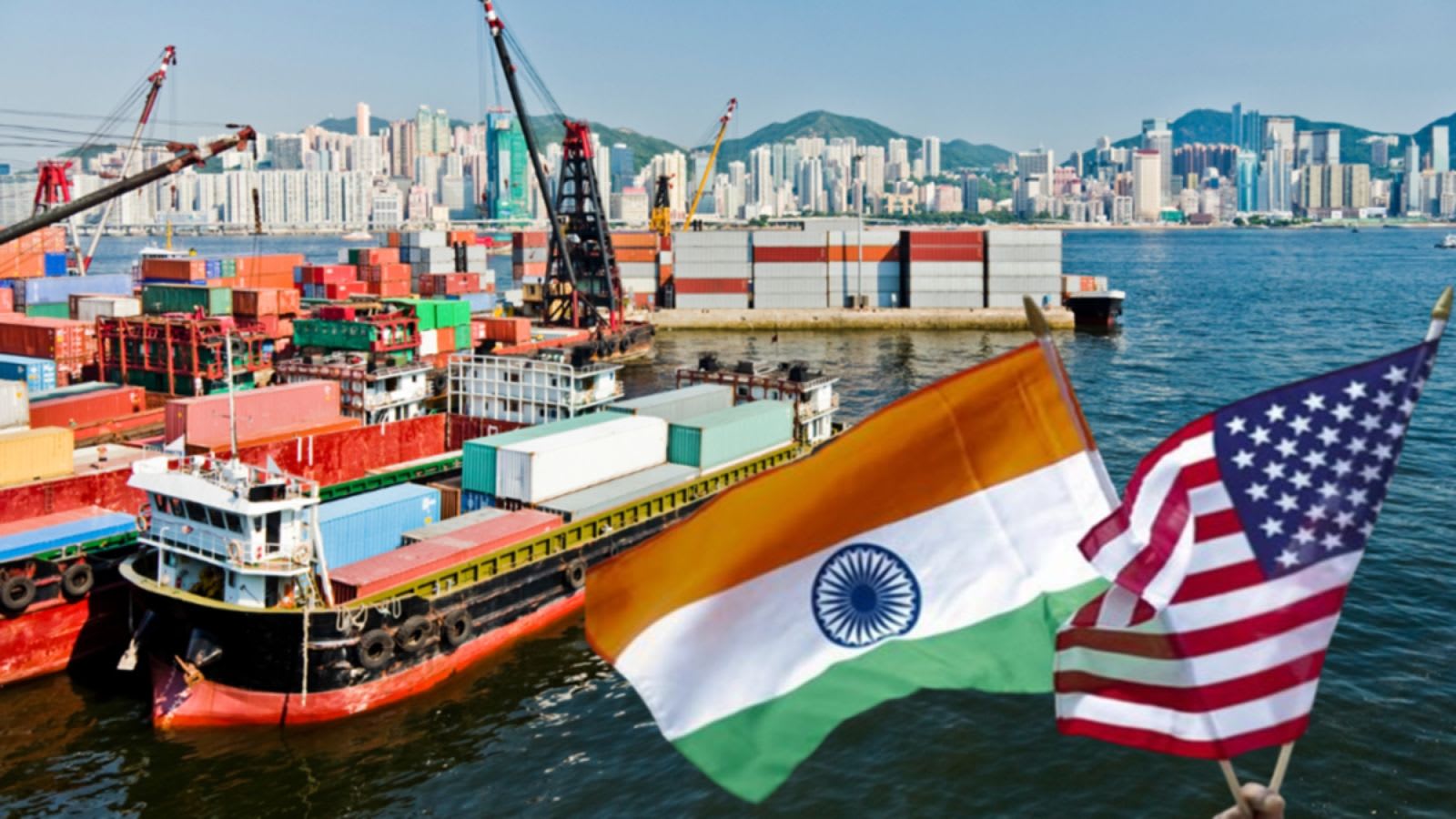
The US has identified India and over 40 other nations as part of a 'shadow trans-shipment network' used by China to bypass American tariffs. The White House plans to utilize AI-driven monitoring to detect and penalize these trade evasions, potentially impacting diplomatic trade relations.
The 'Great Transshipment Scam': Analyzing the US Crackdown
The United States has officially flagged India, alongside more than 40 other nations, as a critical node in a sophisticated global network designed to circumvent American trade tariffs on Chinese goods. This development, detailed in a report titled ‘The Great Transshipment Scam’ championed by former trade adviser Peter Navarro, posits that these nations act as conduits for Chinese products to enter the US market while avoiding the steep Section 301 tariffs imposed since 2018. By routing goods through third-party countries, exporters are allegedly disguising the true origin of products to bypass US trade enforcement.
The Mechanics of Shadow Trans-shipment
At the core of this issue is the practice of 'trans-shipment,' where goods from China are shipped to a secondary country—such as India, Vietnam, or Mexico—before being re-exported to the United States. The US administration argues that this practice undermines the intent of trade policies designed to address unfair Chinese trade practices. By categorizing India in the 'top-risk' tier alongside other major industrial economies, the US is signaling a shift toward more aggressive surveillance and enforcement of global supply chains to close these perceived loopholes.
Technological Intervention: The AI Response
To combat this, the White House has proposed the integration of artificial intelligence to monitor trade flows. By leveraging AI, US customs and trade officials aim to identify anomalies in shipping patterns, origin documentation, and volume discrepancies that characterize trans-shipment. This technological pivot represents a significant escalation in trade enforcement, suggesting that automated oversight will become a permanent feature of American import policy, aimed at tightening the net on illicit tariff evasion.
Broader Implications for Global Trade
This accusation places India in a delicate position within its ongoing trade negotiations with Washington. As a major economy that seeks to boost its own manufacturing sector, being labeled a 'trans-shipment hub' for Chinese goods could complicate bilateral relations. The report highlights that these risks are not limited to developing economies but also include major players like Japan, South Korea, and Taiwan, indicating that the US is scrutinizing global trade networks with a broad brush. This could lead to increased compliance burdens for Indian exporters, who may now face heightened scrutiny and more rigorous documentation requirements.
Future Trends and Diplomatic Challenges
Looking ahead, the US strategy suggests a future where trade policies are increasingly intertwined with advanced data analytics. The focus on 'transshipment risks' implies that the US will likely demand greater transparency from its trading partners regarding origin verification. For India, the challenge will be to balance its growing economic ties with global markets while ensuring that its export infrastructure is not exploited by foreign entities looking to bypass international trade laws. The tension created by this report may necessitate a new framework for trade cooperation, centered on stricter supply chain integrity and digital verification processes.
Multiple Citing Sources