Russia accuses US of orchestrating deep strikes on civilian targets inside Russia?
Source Entity
Latest News: Todays Latest News Headlines from India & World | Hindustan Times | Hindustan Times
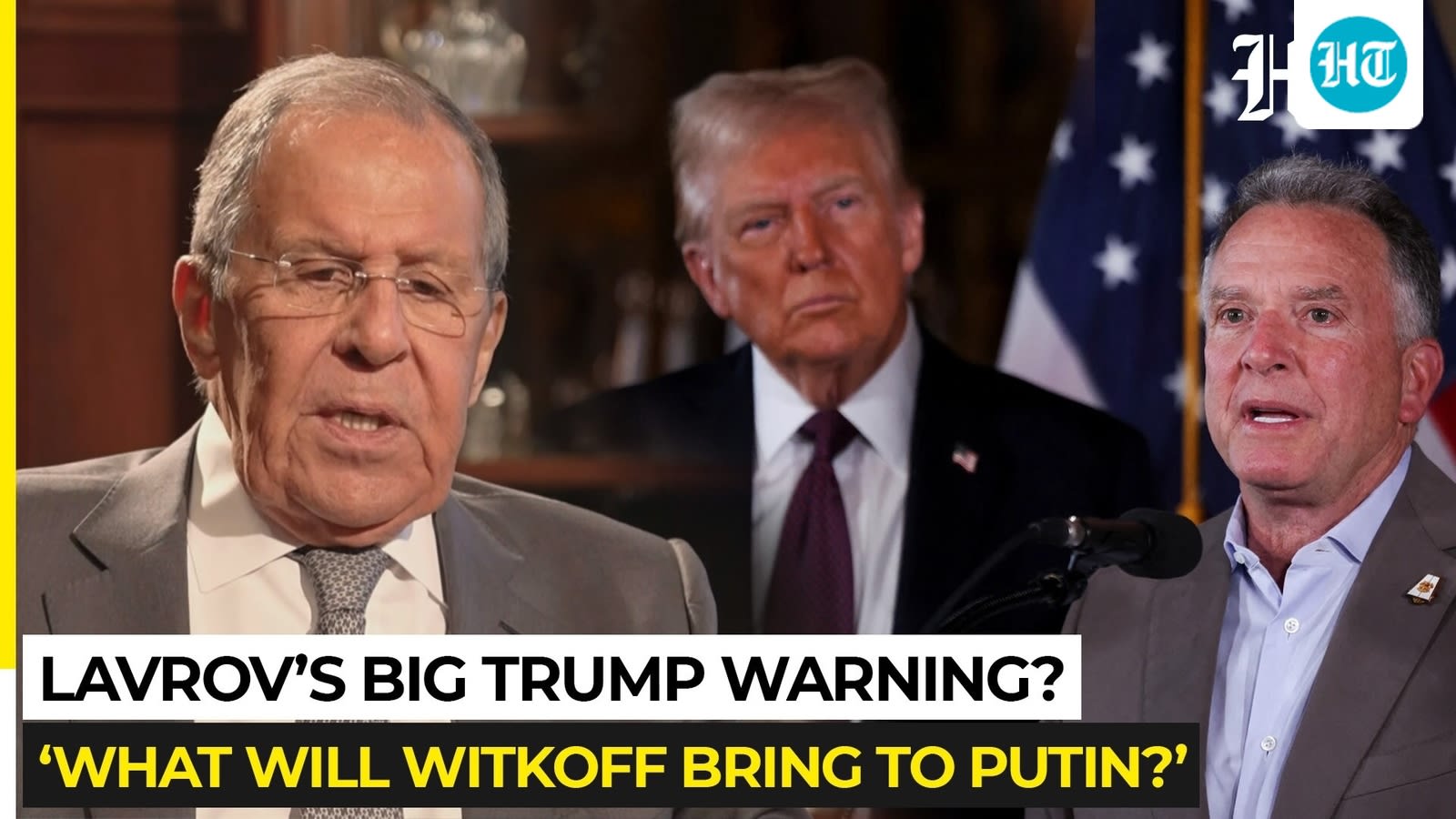
Russia has expressed openness to renewed diplomatic dialogue with Donald Trump while simultaneously demanding accountability for alleged U.S. involvement in deep-strike operations. The situation remains a delicate balance between potential negotiation and escalating military tensions.
The Fragile State of U.S.-Russia Diplomacy
Recent statements from Russian Foreign Minister Sergey Lavrov have cast a complex light on the current state of U.S.-Russia relations. While Moscow has officially signaled that the door remains open for renewed dialogue with Donald Trump, the diplomatic landscape is fraught with deep-seated mistrust. Lavrov’s comments indicate that the Kremlin is willing to engage with U.S. envoys, yet the skepticism regarding the substance of any future proposals suggests that the path to a tangible breakthrough is exceptionally narrow.
The Role of Back-Channel Diplomacy
A critical component of this ongoing exchange involves the role of intermediaries like Steve Witkoff. According to Lavrov, Vladimir Putin has already reviewed proposals relayed through these channels and has even identified specific areas where compromise might be possible. This reliance on non-traditional diplomatic conduits highlights the current lack of formal, high-level trust between the two administrations, forcing both parties to operate in the shadows to avoid the political fallout of direct, public engagement.
The Shadow of Military Escalation
Despite the overtures toward negotiation, the narrative is heavily complicated by Russia’s accusations regarding the conflict in Ukraine. Moscow has explicitly demanded answers concerning alleged U.S. involvement in deep strikes on Russian civilian infrastructure. These accusations serve as a significant barrier to progress, as they frame the U.S. not merely as a diplomatic adversary, but as a direct participant in military operations that threaten Russia's domestic security.
Geopolitical Implications of the Accusations
The tension surrounding these deep strikes creates a paradox in international relations. If Russia perceives the U.S. as an active combatant through its intelligence and logistical support, the viability of a diplomatic settlement becomes increasingly remote. This rhetoric is likely intended to pressure the U.S. to curb its support for Ukraine, using the threat of a complete diplomatic freeze as leverage to force a change in Washington's strategic posture.
Future Trends and Strategic Outlook
Looking ahead, the trajectory of U.S.-Russia relations will likely be determined by whether the two nations can transition from these back-channel communications to a more formal, transparent framework. If Russia continues to prioritize the investigation of military strikes over broader peace talks, the risk of a miscalculation or a further escalation in hostilities remains high. The international community is left watching a delicate game of brinkmanship where the incentives for peace are constantly undermined by the realities of an ongoing proxy war.
Conclusion
In summary, while the possibility of a diplomatic breakthrough exists, it is currently obscured by a volatile combination of military grievances and political maneuvering. Whether the U.S. and Russia can move past the current impasse depends on their willingness to reconcile their strategic differences. Until then, the relationship between these two powers remains in a state of high-stakes, uncertain tension.
Verification Required?