Afghan women tell the BBC their lives are unrecognisable after five years of Taliban rule
Source Entity
BBC News
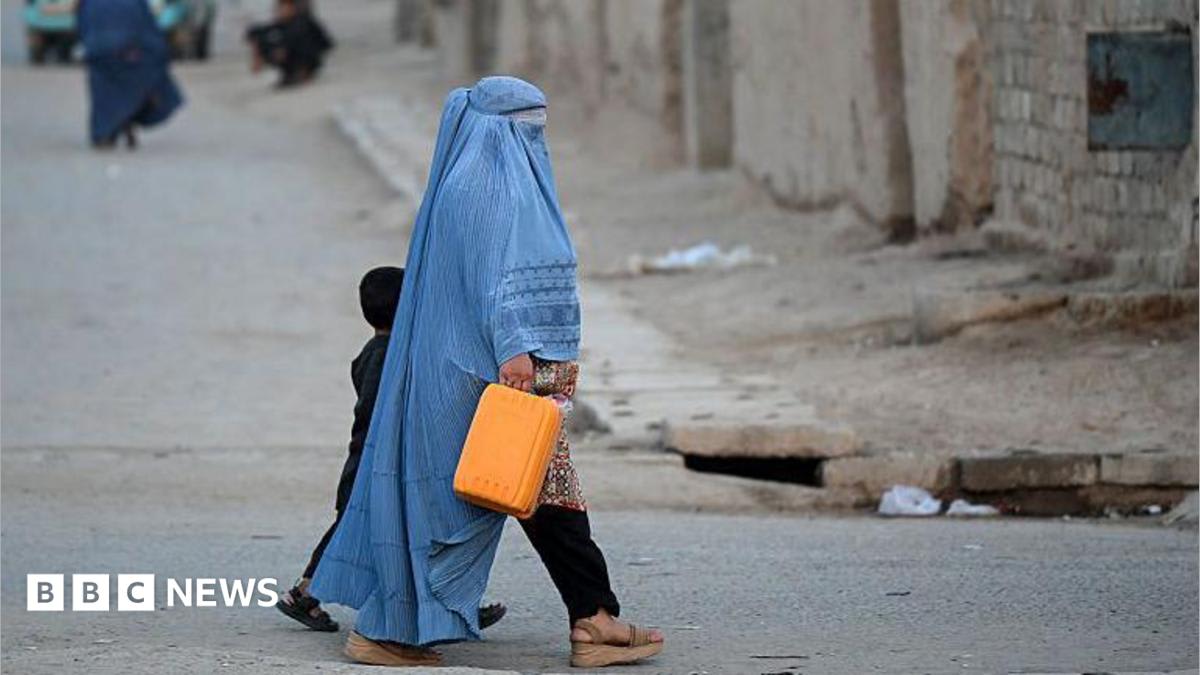
Five years after the Taliban's return to power in Afghanistan, women face systemic erasure from public life, including bans on education and employment. The international community continues to struggle with finding effective diplomatic leverage to address these severe human rights violations.
Five Years of Erasure: The State of Afghan Women Under Taliban Rule
Five years following the Taliban's return to power in August 2021, the social and political landscape of Afghanistan has undergone a profound and devastating transformation. The regime has systematically dismantled the rights of 22 million women, effectively pushing them out of the public sphere. From the prohibition of secondary education for girls over the age of 12 to the enforcement of restrictive dress codes and travel mandates, the current reality for Afghan women is defined by isolation and the loss of fundamental autonomy.
The Erosion of Economic and Educational Agency
The economic impact of these policies is catastrophic. Beyond the classroom, women have been barred from the majority of sectors that previously employed them, including the civil service and humanitarian aid organizations. Recent mandates have further constrained economic participation, forcing women to rely on male intermediaries to bring products to market. This structural exclusion is not merely a temporary setback but a long-term economic disaster; UNICEF projections suggest that by 2030, the country will face a deficit of 20,000 women teachers and 5,400 health-care workers, crippling the nation's social infrastructure.
The Failure of Traditional Diplomacy
As the Taliban continues to ignore international pleas for reform, many observers are questioning the efficacy of Western leverage. The original US-led coalition that removed the Taliban in 2001 has effectively lost its bargaining power, leaving the international community to grapple with a regime that remains largely indifferent to global pressure. The prevailing sentiment among those affected is that current diplomatic strategies are failing to produce tangible results, fueling a growing sense of hopelessness among the Afghan population.
Life Under a Hard-line Regime
The daily experience for women under the current regime is marked by fear and severe restrictions. Reports from across the country—ranging from Kabul to rural provinces—detail the return of public floggings, barriers to essential healthcare, and legislation that implicitly facilitates child marriage. For those who remember the Taliban’s previous rule in the late 1990s, the current situation feels like a heartbreaking cycle of history repeating itself, as the country remains the only nation on earth that formally bars girls from higher education.
Future Trends and Global Implications
The future of Afghanistan remains precarious. Without a fundamental shift in the Taliban’s ideology or a new, more effective framework for international engagement, the systemic exclusion of women is likely to solidify. The loss of a generation of educated women threatens to leave the country in a state of perpetual stagnation. Moving forward, the international community must decide whether to continue with existing, largely ineffective engagement strategies or to pursue a new path that prioritizes the restoration of basic human rights over traditional geopolitical stability.