Ukraine's Flamingos rise, fly thousands of kilometres… then vanish without a trace before bombing?
Source Entity
Latest News: Todays Latest News Headlines from India & World | Hindustan Times | Hindustan Times
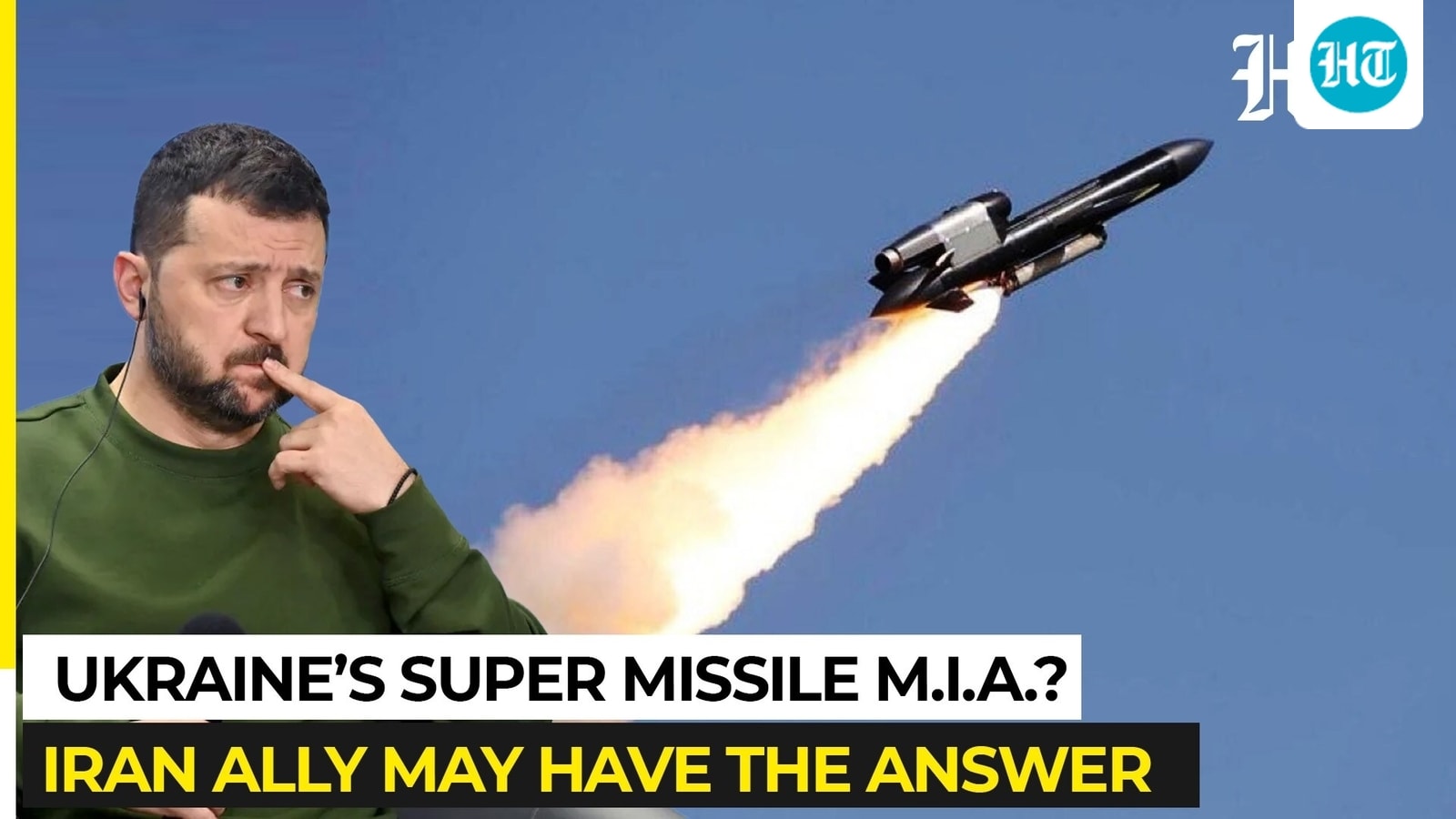
Ukraine's FP-5 Flamingo missile program is facing significant challenges as Russian air defenses adapt. The deployment of A-50U radar aircraft has reportedly led to a high interception rate of these $500,000 deep-strike weapons.
The Strategic Shift in Aerial Warfare
The conflict in Ukraine has entered a phase of intense technological attrition, specifically centered on the effectiveness of long-range strike capabilities. The FP-5 Flamingo, a weapon system valued at $500,000 per unit, has served as a critical asset for Kyiv to project power deep behind Russian lines. However, recent operational data suggests a significant shift in the battlefield dynamic, as these missiles—once considered highly reliable—are now struggling to penetrate Russian airspace.
Russian Countermeasures and Radar Integration
The primary driver behind this decline in effectiveness is the tactical deployment of the A-50U airborne early warning and control (AEW&C) aircraft. By positioning these platforms along established flight corridors, Russian forces have significantly extended their radar horizon. This allows ground-based air defense systems to detect the low-flying Flamingos much earlier than previously possible, neutralizing the element of surprise and the advantage of terrain masking that these missiles once relied upon.
Assessing the Attrition Rate
While official confirmation remains elusive due to the classified nature of these operations, unofficial estimates suggest a staggering interception rate, with 10 out of 11 Flamingos launched since July 1 reportedly downed. This high failure rate poses a dual threat to Ukraine: the loss of expensive, high-value hardware and the degradation of the psychological pressure that these deep-strike capabilities exert on Russian logistics and command centers.
The Cost of Technological Adaptation
The $500,000 price tag per Flamingo makes the current interception rate unsustainable for long-term operations. If the Russian military has successfully identified a systemic weakness in the Flamingo's flight profile or radar cross-section, Ukraine will be forced to either pivot to more expensive, stealthier alternatives or drastically alter their launch tactics to bypass the current A-50U coverage zones.
Future Trends in Deep-Strike Operations
Looking forward, the evolution of this engagement highlights the 'cat and mouse' nature of modern electronic and aerial warfare. The success of the A-50U in this theater underscores the necessity for Ukraine to pursue either electronic warfare (EW) countermeasures to blind these radar aircraft or to integrate more sophisticated flight path planning. The outcome of this specific technological struggle will likely dictate the intensity and frequency of future Ukrainian strikes on Russian soil.
Verification Required?