Air India Initiates 100% Voluntary Pilot Testing After Phuket Flight Fiasco
Source Entity
NDTV News Search Records Found 1000
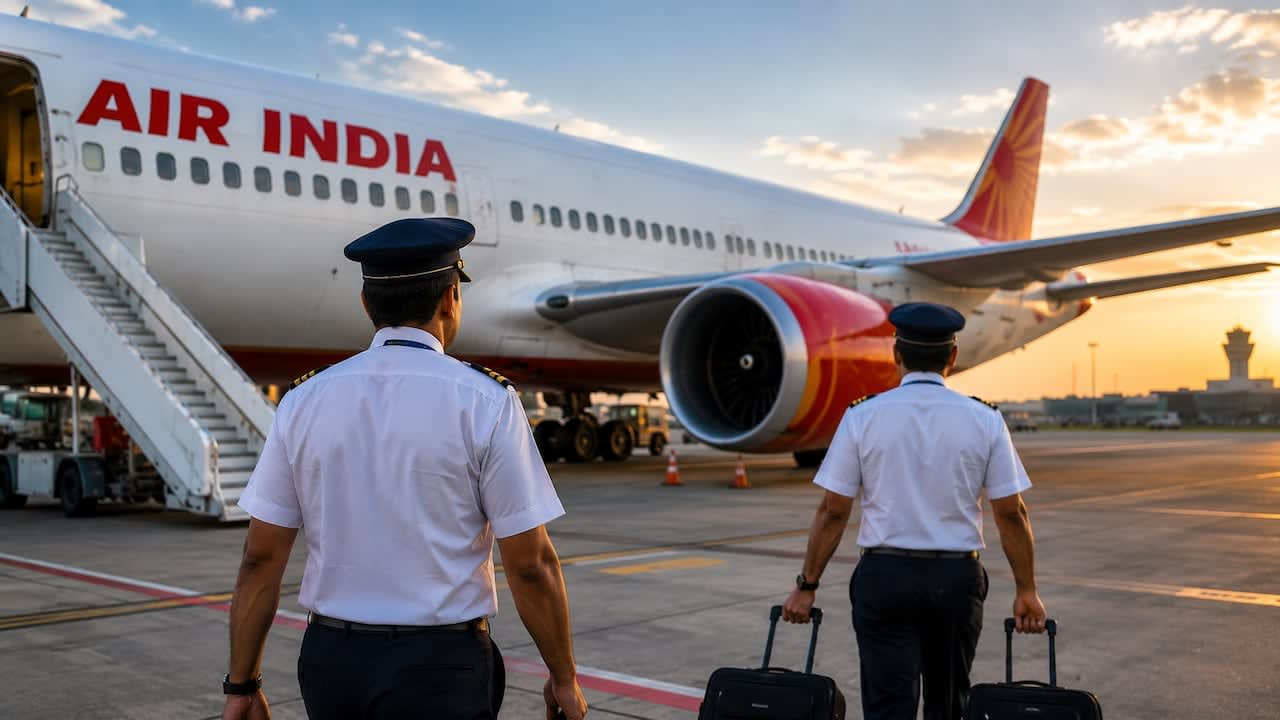
A preliminary investigation into an Air India flight from Phuket to Delhi reveals a simultaneous triple hydraulic failure and a non-negative drug test result for the pilot-in-command. The incident caused a sudden altitude drop, injuring 24 people, and has prompted urgent regulatory review.
Investigation Into Air India Flight Incident: A Dual-Factor Crisis
The aviation community is currently scrutinizing a distressing incident involving Air India flight VT-EXO, an Airbus A320neo, which experienced a significant safety event while traveling from Phuket to Delhi on August 4. Preliminary findings from the Aircraft Accident Investigation Bureau (AAIB) have highlighted two critical, concurrent failures: a sudden, total loss of pressure across all three hydraulic systems and a non-negative result from a post-flight drug test conducted on the pilot-in-command.
Technical Failure: The Triple Hydraulic Collapse
According to the AAIB report, the aircraft was cruising at 36,000 feet when the green, blue, and yellow hydraulic systems experienced an instantaneous loss of pressure. This technical failure triggered an immediate disengagement of the autopilot and a stall warning, leading to a sudden altitude drop of approximately 300 feet over Odisha. The event occurred within a mere five-second window, leaving passengers and crew little time to react, which resulted in injuries to 20 passengers and four cabin crew members. The rapid decompression and loss of control surfaces meant the aircraft was essentially flying in a degraded state for a period of time.
Human Factors: The Psychoactive Substance Concern
Perhaps more concerning from a regulatory standpoint is the discovery regarding the pilot-in-command. While post-flight breath analyzer tests were satisfactory, a subsequent test for psychoactive substances returned a non-negative result. This finding has sent shockwaves through the industry, as the presence of such substances in a cockpit environment directly contravenes international aviation safety standards. The AAIB has formally recommended that the Directorate General of Civil Aviation (DGCA) take appropriate, stringent action to address the potential for substance abuse among flight crews.
Operational Decision-Making Under Pressure
Despite the catastrophic failure of the aircraft's hydraulic systems, the crew made the decision to continue the flight to Delhi. This specific decision is now a focal point of the ongoing investigation. Experts are questioning the risk-assessment protocols that allowed a damaged aircraft with injured personnel to bypass closer landing options. The structural integrity of the aircraft and the cabin environment were both compromised during the incident, raising questions about the threshold for declaring an in-flight emergency versus attempting to reach the destination.
Broader Implications for Aviation Safety
This incident serves as a stark reminder of the fragile intersection between mechanical reliability and human performance. The simultaneous failure of all three hydraulic systems is an extremely rare event for an eight-year-old Airbus A320neo, prompting a deeper look into the maintenance records and system health of the carrier's fleet. Simultaneously, the pilot's drug test result has intensified the debate regarding mandatory, rigorous testing protocols for flight crews to ensure that the individuals at the helm are operating at peak cognitive capacity.
Conclusion and Future Outlook
As the AAIB continues its comprehensive probe, the aviation sector awaits definitive findings that will likely dictate new safety mandates. The DGCA is expected to tighten oversight on both the technical maintenance of Airbus fleets and the medical screening processes for pilots. This incident will likely lead to a permanent change in how airlines manage crew health, with a heightened focus on the detection of psychoactive substances to prevent future occurrences that jeopardize the lives of passengers and crew alike.
Multiple Citing Sources
Verification Required?