Delhi’s AQI remains ‘poor’, set to deteriorate further; shallow fog at many places
Source Entity
Latest News: Todays Latest News Headlines from India & World | Hindustan Times
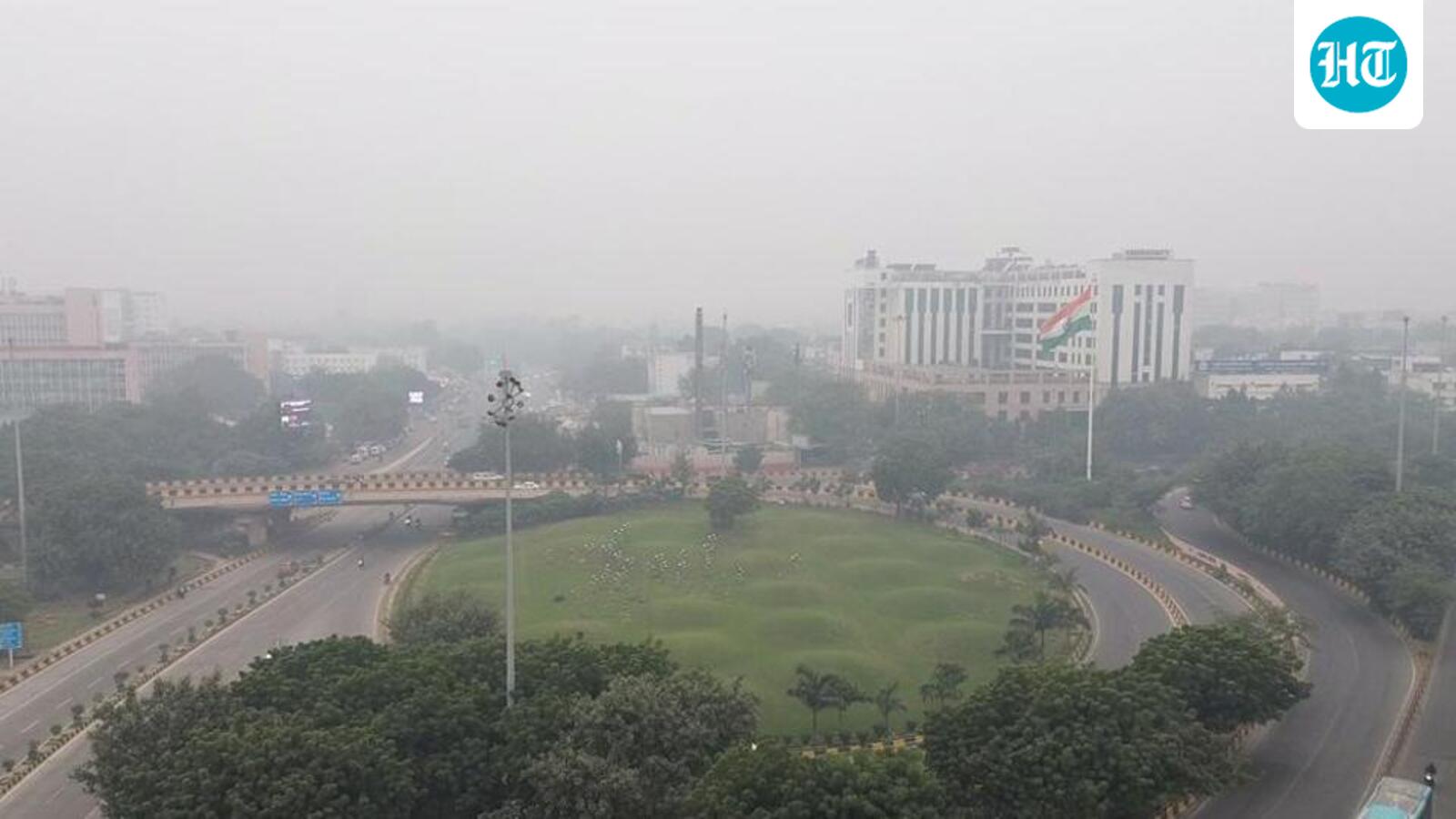
Delhi and Kolkata are grappling with worsening air quality, with both cities reporting 'poor' AQI levels. Meteorological conditions and post-festival pollution have contributed to the deteriorating air conditions in these major urban centers.
Air Quality Crisis: A Dual Urban Struggle
As of mid-November 2026, major Indian metropolises are facing significant atmospheric challenges. Delhi continues to navigate its chronic struggle with air quality, while Kolkata and its surrounding suburbs have reported a decline in air health following recent festive celebrations. This dual-city phenomenon highlights the persistent environmental burden faced by densely populated urban centers during the transition into the winter season.
Delhi’s Persistent Atmospheric Decline
In Delhi, the air quality index (AQI) has remained consistently in the 'poor' category, with localized spikes reaching 'very poor' levels. Notably, the Siri Fort monitoring station recorded an AQI of 350, underscoring the severity of pollution in specific pockets of the capital. The India Meteorological Department (IMD) has linked these conditions to the presence of shallow fog and a temperature range of 14°C to 16°C. Meteorologists anticipate a further decline in air quality over the next six days, exacerbated by a projected 2-3°C drop in maximum temperatures.
The Impact of Festive Activity in Kolkata
Simultaneously, Kolkata and its outskirts, including Barrackpore and areas near Rabindra Bharati University, have experienced a shift toward 'poor' air quality. Officials from the West Bengal Pollution Control Board (WBPCB) have directly attributed this deterioration to the bursting of firecrackers during the early morning hours of Chhath Puja celebrations. While some areas like Belur Math maintained a 'moderate' reading of 162, the broader trend across the region reflects the immediate environmental impact of localized human activity.
Meteorological Factors and Seasonal Trends
The atmospheric stagnation currently observed in Delhi is a result of a complex interplay between seasonal cooling and industrial/vehicular emissions. As temperatures continue to fall, the inversion layer traps particulate matter closer to the ground, preventing the natural dispersion that might otherwise mitigate the pollution. The 24-hour rolling average in Delhi, which showed a brief downward trend at 3:00 a.m., has already begun to reverse, signaling a cycle of persistent, high-pollution days.
Broader Implications and Future Outlook
These developments serve as a stark reminder of the limitations of urban air quality management during peak festive and winter periods. The reliance on meteorological shifts to clear the air is no longer sufficient to protect public health. Moving forward, the data suggests that urban centers will need to focus on stricter enforcement of emission controls and festive-related pollution mitigation strategies to prevent the AQI from sliding into the 'severe' category, which poses significant respiratory risks to the general population.
Conclusion
In summary, the correlation between seasonal weather patterns and human-induced pollutants remains the primary driver of the poor air quality observed in both Delhi and Kolkata. With temperatures expected to drop further in the coming days, the challenge for environmental authorities will be to implement effective, real-time interventions to curb the accumulation of particulate matter before it reaches hazardous levels.
Multiple Citing Sources
Verification Required?