Airbus detects surface coating issue with A321neo fuselage, some IndiGo planes impacted: Report
Source Entity
Latest News: Todays Latest News Headlines from India & World | Hindustan Times | Hindustan Times
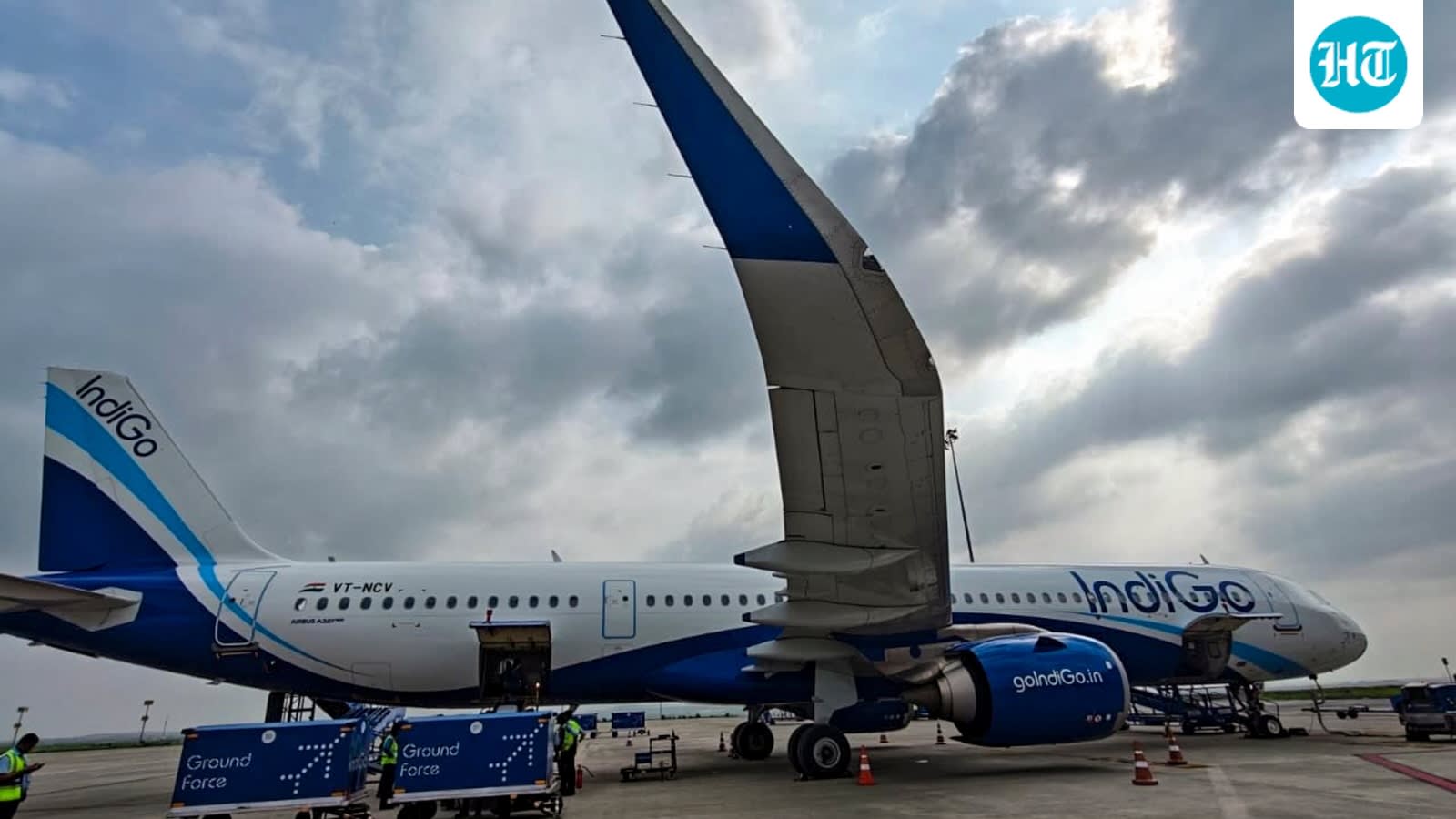
Airbus has identified a surface coating issue affecting the fuselage of several A321neo aircraft, including roughly a dozen operated by IndiGo. The manufacturer has confirmed the problem is contained and has already implemented a corrective remedy for future production.
Technical Overview of the A321neo Fuselage Issue
Airbus has recently identified a manufacturing quality deviation concerning the surface protection coating on the fuselage of its A321neo narrow-body aircraft. Specifically, the issue affects the stringers located in the lower front section of the fuselage. Stringers are critical structural components that provide longitudinal support to the aircraft's skin, and their surface integrity is vital for preventing corrosion and ensuring the long-term durability of the airframe. According to reports, this is characterized as a 'surface protection deviation,' suggesting the issue is related to the protective layers applied to these components rather than a structural failure of the metal itself.
Impact on Indian Carriers
The ripple effects of this manufacturing defect have reached the Indian aviation market, which is one of the fastest-growing sectors globally. IndiGo and Air India, two of the largest carriers in the region, operate a combined fleet of approximately 190 A321neo aircraft. Sources indicate that around a dozen of these planes within IndiGo's fleet are currently impacted by this coating discrepancy. Given the high utilization rates of narrow-body aircraft in the Indian market, even minor maintenance interventions can pose logistical challenges for airlines managing tight flight schedules.
Airbus's Remediation Strategy
In response to the discovery, Airbus has publicly confirmed that the source of the issue has been successfully identified and contained. The manufacturer stated that a remedy is already available, ensuring that all newly coated stringers meet the required specifications. By proactively addressing the defect during standard rework procedures, Airbus aims to mitigate risks before they escalate into more significant maintenance headaches. This level of transparency is standard procedure in aerospace engineering, where safety protocols demand rigorous documentation and remediation of even minor non-conformities.
Broader Implications for Aviation Safety
The aviation industry operates under a 'safety-first' mandate that requires constant vigilance regarding manufacturing quality. While a surface coating issue might sound minor, the cumulative effect of corrosion or surface degradation on a fuselage can impact the lifecycle of an aircraft. For airlines like IndiGo, which rely heavily on the efficiency of the A321neo to maintain their competitive edge, ensuring that the fleet remains in peak condition is paramount. This incident underscores the importance of the ongoing quality control processes that Airbus maintains across its global supply chain.
Looking Ahead: Fleet Maintenance and Industry Trends
As the aviation industry continues to recover and expand, the demand for narrow-body aircraft like the A321neo remains robust. Manufacturers are currently under significant pressure to increase production rates to meet delivery backlogs. Instances of quality deviations, while not uncommon in complex aerospace manufacturing, serve as a reminder of the delicate balance between production speed and rigorous quality assurance. Moving forward, the industry will likely see heightened scrutiny on surface treatment processes to ensure that such deviations do not recur, ultimately reinforcing the safety standards that define modern commercial aviation.
Verification Required?