Punjab woman gets ‘broken’ diamond ring under ‘kitty scheme’, wins exchange, payout
Source Entity
Jagriti Rai
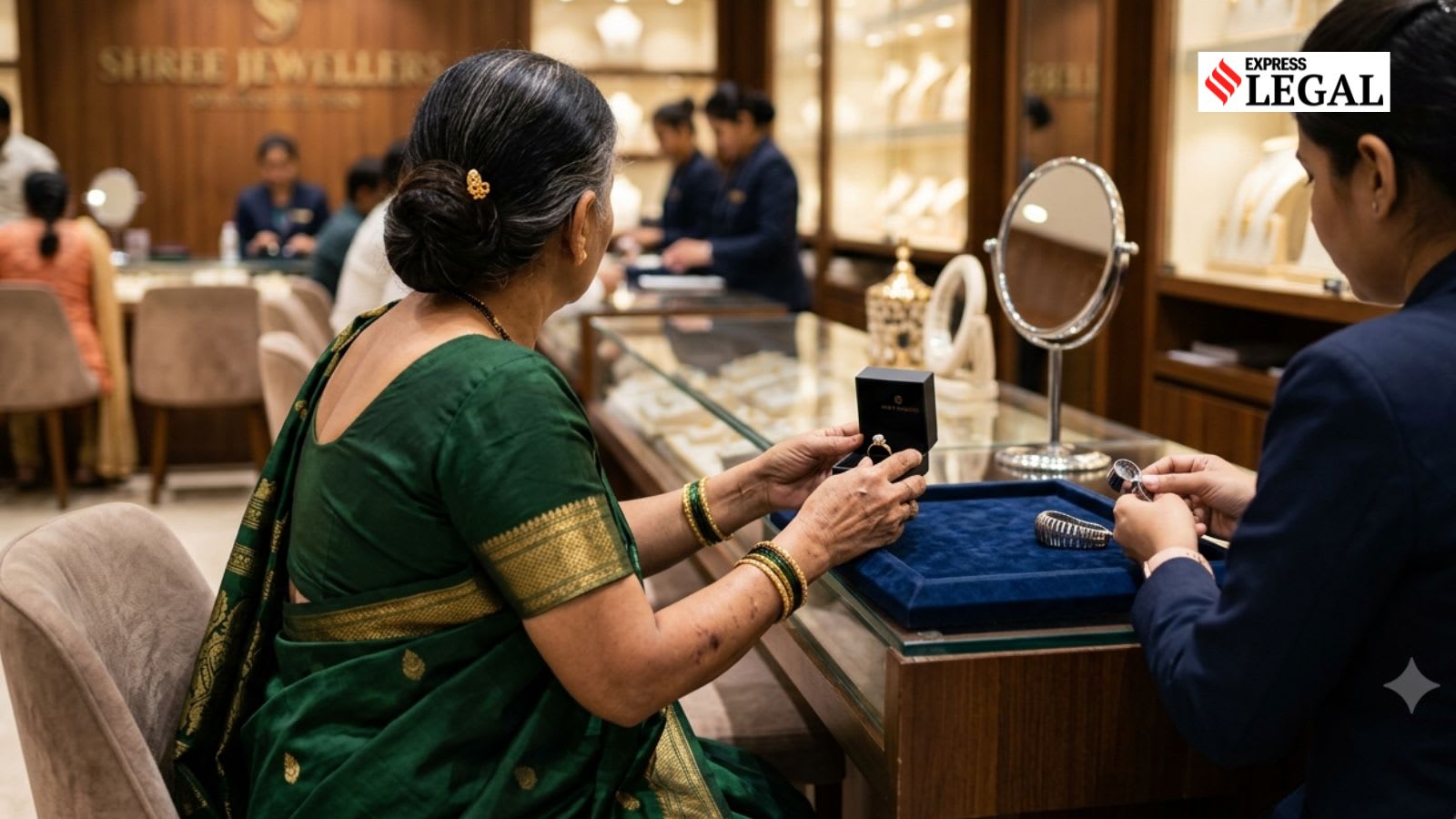
The Ropar District Consumer Commission has ruled in favor of a 51-year-old woman, ordering a jewellery showroom to replace a defective diamond ring purchased through a kitty scheme. The court mandated the exchange without additional charges and awarded the complainant compensation for litigation expenses.
Consumer Justice in the Jewellery Sector
The recent ruling by the Ropar District Consumer Commission highlights the critical intersection of consumer rights and retail accountability in India. When a 51-year-old woman, having fulfilled her financial obligations under a monthly kitty scheme, received a defective diamond ring, she was met with resistance from the retailer. The commission's intervention serves as a stern reminder that the burden of product quality lies squarely with the seller, regardless of the unique payment structures like kitty schemes that are prevalent in the Indian jewellery market.
The Role of Consumer Commissions
Consumer protection laws in India are designed to shield buyers from unfair trade practices. In this specific case, the commission, led by president Kuljit Pal Singh and member Ranvir Kaur, identified that the defect was not attributable to the consumer. By ordering an exchange without fresh charges, the commission reinforced the principle that a consumer who has made full payment is entitled to a product of merchantable quality. This decision discourages retailers from using the complexity of 'kitty schemes' as a shield to avoid liability for faulty goods.
Implications for Retailers and Kitty Schemes
Kitty schemes, while popular for making high-value luxury items like diamond jewellery accessible, often operate in a grey area regarding terms and conditions. Retailers frequently attempt to impose additional charges or refuse returns for items purchased through these long-term installment plans. This verdict sets a legal precedent that these internal schemes cannot override the fundamental consumer right to receive a non-defective product. It forces jewellery showrooms to standardize their quality control processes, even for items sold through promotional or installment-based sales.
Protecting the Consumer Interest
The awarding of Rs 10,000 as compensation and litigation costs serves as a deterrent against corporate negligence. Legal battles for consumers are often costly and time-consuming, which retailers often exploit, banking on the consumer to drop the complaint. By granting this compensation, the Ropar commission has recognized the emotional and financial distress caused by the showroom's refusal to acknowledge the defect, validating the importance of holding businesses accountable for their service failures.
Future Trends in Retail Accountability
As consumer awareness grows, we are likely to see more litigants utilizing district commissions to settle disputes regarding luxury goods. This trend suggests that businesses must prioritize transparent grievance redressal mechanisms to avoid the negative publicity and financial penalties associated with formal litigation. Moving forward, retailers will need to ensure that their commitment to quality is as robust as their marketing efforts to avoid similar legal mandates and loss of reputation.