Woman de-boarded over ‘fit-to-fly’ check, Air India to pay Rs 5 lakh to disabled passenger
Source Entity
Somya Panwar
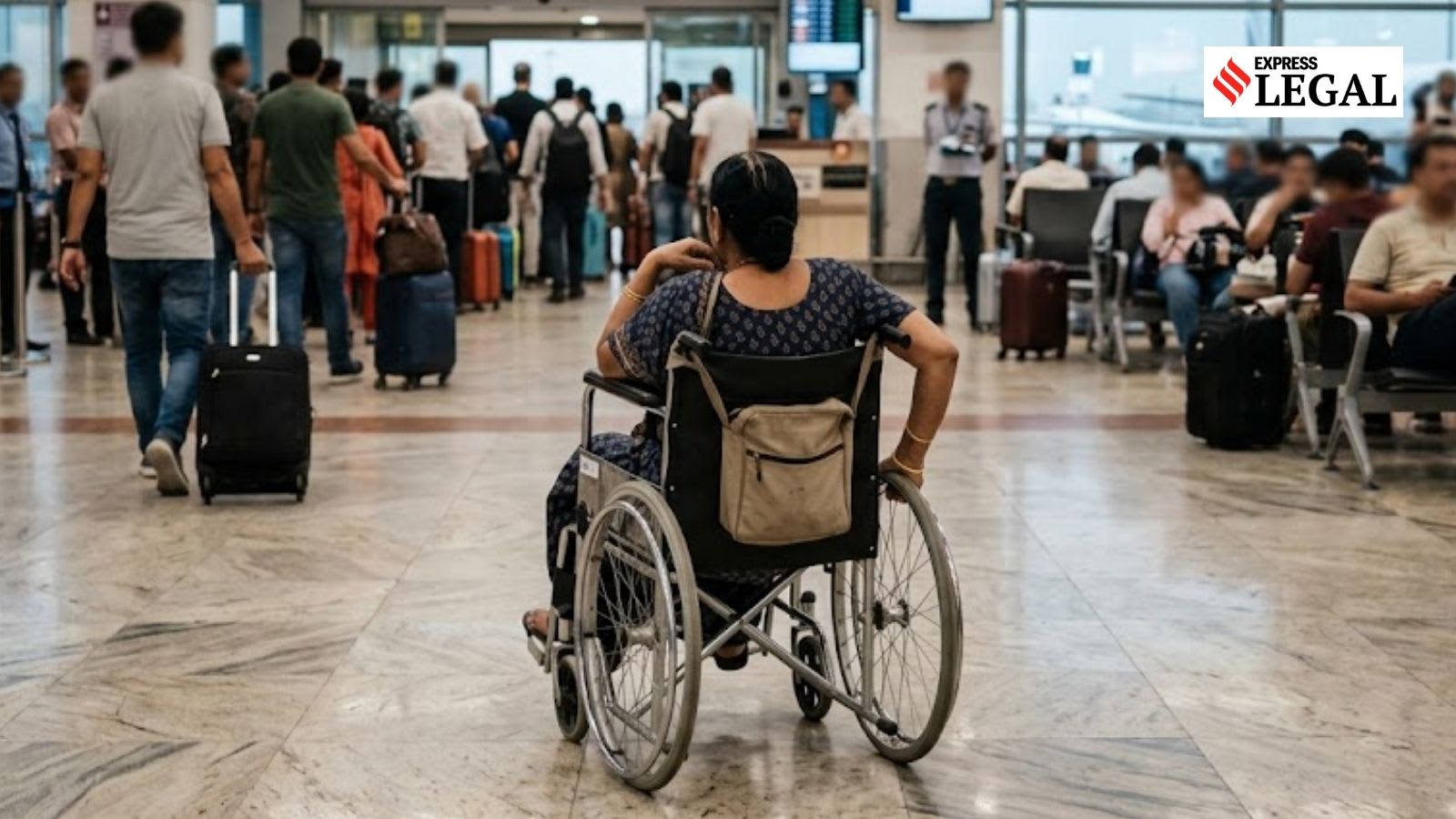
Consumer commissions have penalized airlines for discriminatory and unfair practices against passengers. These rulings highlight the legal mandate for airlines to uphold passenger dignity and service standards.
Upholding Passenger Rights: A New Precedent for Airline Accountability
Recent legal interventions by the Court of the Chief Commissioner for Persons with Disabilities and the Raipur District Consumer Commission signal a hardening stance against discriminatory practices in the Indian aviation sector. In the case involving an 80 per cent locomotor-disabled passenger, Air India was ordered to pay Rs 5 lakh for de-boarding a traveler over a disputed “Fit-to-Fly” certificate. This ruling underscores a critical shift: accessibility and dignity are no longer viewed as optional services, but as protected statutory rights.
The Legal Framework of Accessibility
The Court of the Chief Commissioner for Persons with Disabilities, established under the Persons with Disabilities (Equal Opportunities, Protection of Rights & Full Participation) Act, 1995, serves as a watchdog for the rights of disabled citizens. By fining Air India an additional Rs 50,000 for violating established safeguards, the court has emphasized that "reasonable accommodation" is a mandatory requirement for air carriers. This decision serves as a stern reminder to the industry that discriminatory hurdles—such as arbitrarily demanding medical certificates—constitute a violation of human dignity.
Deficiency in Service and Consumer Protection
Parallel to the disability rights ruling, the Raipur District Consumer Commission recently penalized a private airline for denying travel to a passenger who possessed a valid boarding pass. The bench, led by Dakeshwar Prasad Sharma, ruled that the airline failed to prove the passenger was adequately informed of boarding gate protocols. By awarding Rs 25,000 in compensation and Rs 10,000 in legal fees, the commission identified the airline's actions as a "deficiency in service" and an "unfair trade practice."
Broader Implications for the Aviation Industry
These twin rulings reflect a growing trend of judicial scrutiny over airline operations in India. Airlines often rely on internal policies and "gate-level discretion" to manage passenger flow and safety. However, these recent verdicts clarify that such discretion cannot override the fundamental rights of the consumer. When an airline issues a boarding pass, a service contract is formed; failing to honor this without substantial, proven cause constitutes a breach of trust that consumer forums are increasingly unwilling to overlook.
Conclusion and Future Trends
Looking forward, the aviation sector must align its operational procedures with the strict standards set by these judicial bodies. The trend toward increased litigation suggests that passengers are becoming more aware of their rights, and regulatory bodies are becoming more proactive in enforcing them. For airlines, the message is clear: operational efficiency cannot come at the cost of statutory compliance or passenger dignity. Future compliance will likely require more robust training for ground staff and more transparent communication protocols to avoid the costly legal repercussions seen in these recent cases.