Flyers pay 120.5% more when booking day before departure; Bengaluru-Chennai fares rise
Source Entity
TOI CITY DESK
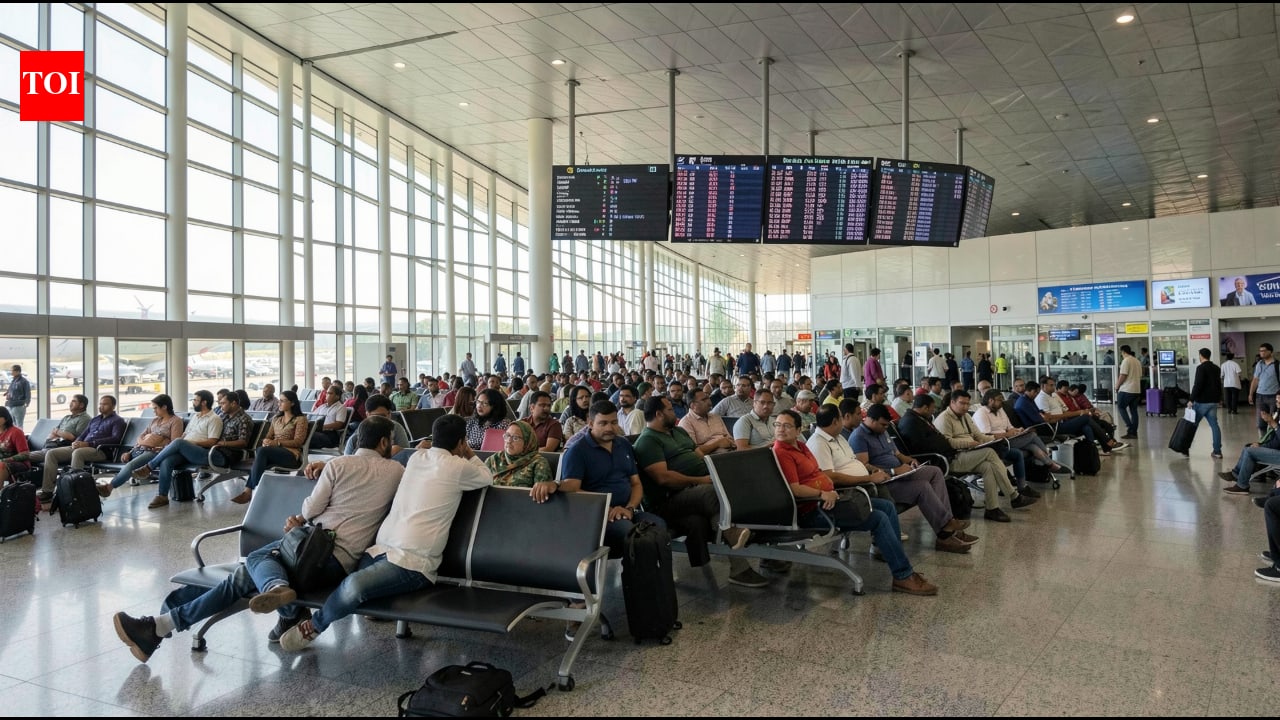
A new airline price index reveals significant cost disparities for last-minute domestic flight bookings in India. While some routes see fare hikes exceeding 120%, others remain relatively stable, highlighting the importance of strategic travel planning.
The Economics of Last-Minute Air Travel in India
On September 16, 2026, data from the TOI-DPA Airline Price Index provided a stark illustration of the financial penalties associated with last-minute air travel. By analyzing 54 domestic routes, the index highlights a significant volatility in pricing models, where the timing of a purchase can lead to a cost discrepancy of over 120%. This data underscores the sophisticated, algorithm-driven nature of modern airline revenue management systems.
Understanding Price Volatility
The research reveals that passengers booking flights from Ahmedabad to Pune just one day before departure face a staggering 120.5% premium compared to those who book 30 days in advance. This extreme variance suggests that airlines utilize dynamic pricing models that aggressively penalize late-stage demand on routes with limited flight frequency. In contrast, high-capacity corridors, such as Bengaluru to Chennai, demonstrate much higher price stability, with a mere 2.9% increase for last-minute bookings.
The Impact of Route Frequency and Demand
A deeper look at the data indicates that route-specific dynamics play a pivotal role in pricing. Routes like Kolkata to Chennai and Kolkata to Bengaluru show high premiums (112.7% and 93.2% respectively) for procrastinated bookings. This often correlates with the number of daily flights; when supply is constrained on specific city pairs, airlines have greater leverage to adjust pricing upwards as the departure date nears, targeting time-sensitive business travelers who have little choice but to pay the premium.
Strategic Planning for Consumers
For the average traveler, the index serves as a crucial tool for financial planning. By comparing the 'saving for booking 30 days ahead' metric, it becomes clear that planning can lead to savings of nearly 50% on major routes. This data suggests that the 'wait-and-see' approach is a high-risk financial strategy in the Indian aviation market, where the cost of spontaneity is often prohibitively high.
Future Trends in Airline Pricing
As the aviation sector continues to integrate advanced AI-driven revenue management, we can expect these price gaps to potentially widen or become more personalized. Airlines are increasingly using predictive modeling to identify which travelers are likely to book regardless of price, allowing them to optimize yield per seat. Understanding these indexes is essential for both individual travelers and corporate travel managers aiming to mitigate the impact of rising domestic travel costs.
Conclusion
The TOI-DPA Airline Price Index offers a transparent look at the systemic costs of air travel. By highlighting the stark contrast between routes like Ahmedabad-Pune and Bengaluru-Chennai, the report emphasizes that market conditions, route competition, and booking lead times are the primary architects of modern airfare. Consumers who leverage this data to plan their travel cycles effectively will be better positioned to avoid the significant premiums associated with last-minute bookings.