‘All-rounders are going out of the game’: Ajinkya Rahane’s concerns about IPL's Impact Player rule. Why captains want it removed?
Source Entity
Latest News: Todays Latest News Headlines from India & World | Hindustan Times | Hindustan Times
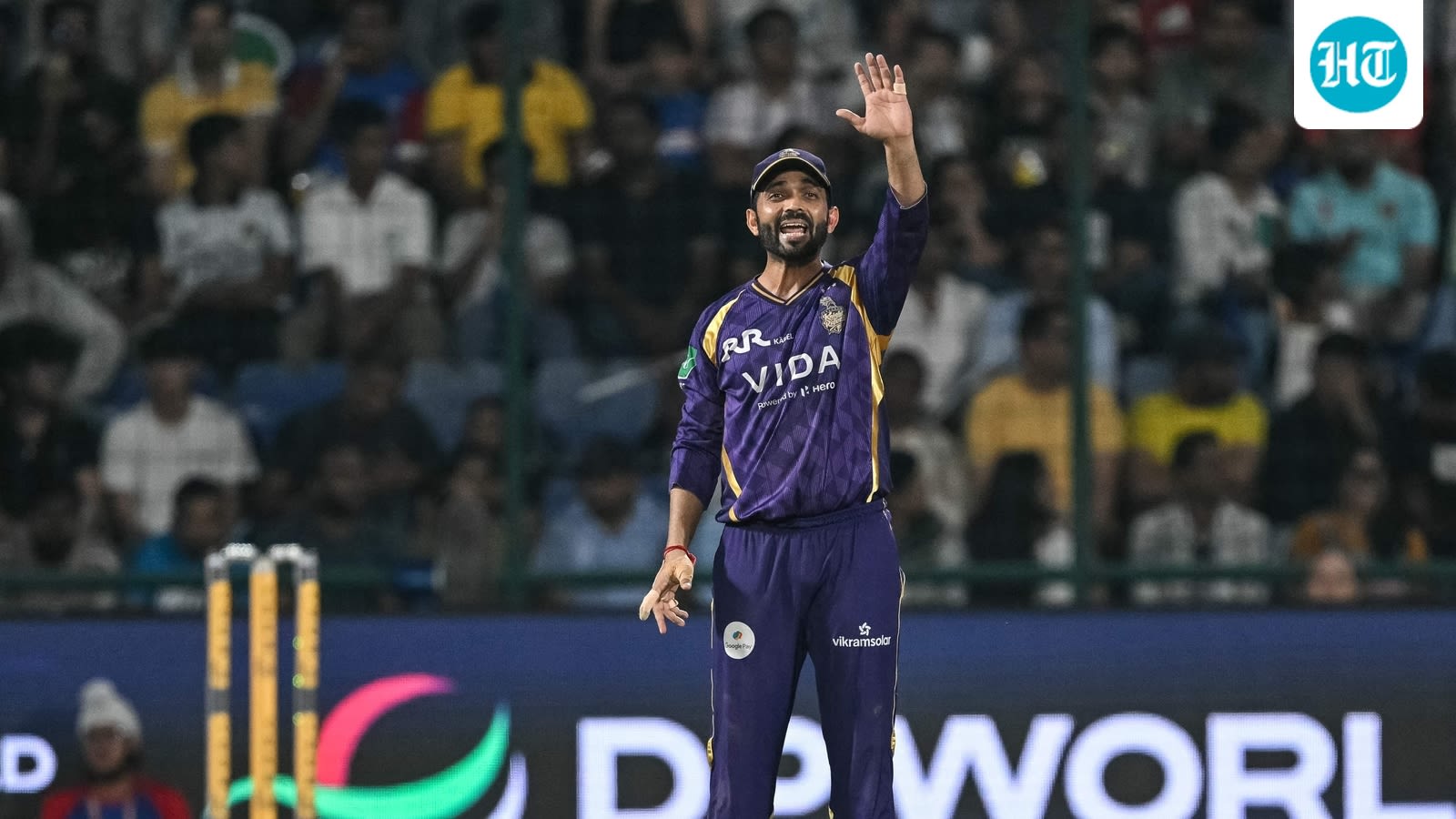
Former KKR captain Ajinkya Rahane has joined other IPL leaders in calling for the removal of the Impact Player rule. He argues that the rule is systematically sidelining all-rounders and disrupting the traditional balance of the game.
The Impact Player Rule: A Threat to Cricket's Traditional Balance
The Indian Premier League (IPL) has long been a laboratory for cricketing innovation, yet the introduction of the 'Impact Player' rule in 2023 has sparked a fierce debate regarding the sport's fundamental structure. By allowing teams to substitute one player during the match to address specific tactical needs, the league sought to enhance entertainment value and strategic depth. However, as Ajinkya Rahane and other captains have pointed out, this innovation may be coming at the cost of the game's most versatile assets: the all-rounders.
The Erosion of the All-Rounder Role
The core concern raised by Rahane is the systematic marginalization of players who contribute with both bat and ball. Because the Impact Player rule allows teams to choose a specialist batter or bowler depending on the situation, the necessity for a player who can do 'a bit of both' has plummeted. When a team can essentially play with 12 specialists, the incentive to develop or field a player who offers moderate utility in both disciplines is lost. This shift is not merely theoretical; data indicates a sharp decline in the number of overs bowled by all-rounders, even as the league sees record-breaking team scores.
Tactical Distortion and Strategic Homogeneity
While the rule was intended to add 'tactical flexibility,' critics argue it has actually led to a more rigid, specialized approach. Captains, including those who voiced their opposition during the annual captains' meeting, argue that the rule forces a binary approach to team selection. Instead of navigating the game's ebbs and flows with a flexible squad, teams are now incentivized to load up on pure batters or pure bowlers. This has contributed to the inflation of scores, as batting lineups are effectively extended, often removing the 'tail' that historically provided a strategic challenge for fielding sides.
The Future of IPL Strategy
Rahane’s intervention serves as a critical reflection on the legacy of the rule. Having captained the Kolkata Knight Riders during the implementation of this policy, his perspective carries significant weight regarding how it impacts the dressing room culture and long-term player development. If the trend of diminishing returns for all-rounders continues, it could lead to a generational gap where players no longer prioritize multi-disciplinary training, ultimately threatening the depth of talent available for the Indian national team, which relies heavily on balance.
Conclusion: Reevaluating Innovation
The debate over the Impact Player rule is a microcosm of the tension between commercial entertainment and the preservation of cricketing traditions. While the high-scoring matches have undeniably boosted the league's appeal to casual viewers, the long-term health of the sport requires a balance that does not render the all-rounder obsolete. As the BCCI considers the future of IPL regulations, the voices of experienced leaders like Rahane suggest that a return to the traditional 11-man structure might be necessary to restore the game's inherent strategic complexity.
Verification Required?