'A border state': Akali leader fuels buzz over SAD-BJP reunion, gives this reason
Source Entity
PALLAVI
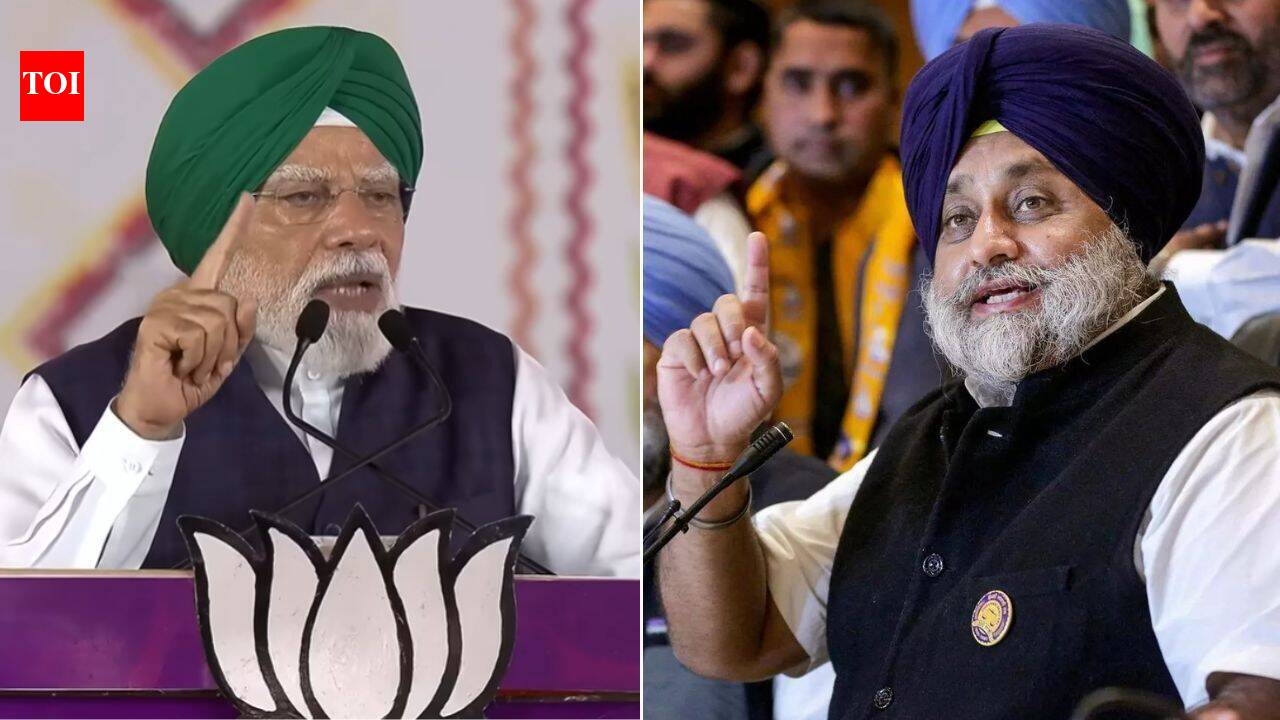
Shiromani Akali Dal leader Bikram Singh Majithia has hinted at a potential reunion with the BJP, citing Punjab's strategic border status and social harmony. The former allies remain in a period of uncertainty as leadership from both parties evaluates the feasibility of renewing their partnership.
The Potential Realignment of Punjab Politics
The recent statements by Shiromani Akali Dal (SAD) leader Bikram Singh Majithia have injected new momentum into political discourse regarding a potential reunion between the SAD and the Bharatiya Janata Party (BJP). This development comes years after the two parties, which shared a decades-long alliance, parted ways primarily due to disagreements over the contentious farm laws that sparked massive protests across North India. Majithia’s public acknowledgment of shifting sentiments suggests that the political landscape in Punjab may be undergoing a significant recalibration.
Strategic Importance of a Border State
Central to Majithia’s argument for a potential alliance is the geopolitical reality of Punjab as a border state. In the context of national security and regional stability, the SAD leadership appears to be positioning the argument that a unified political front is essential for the state’s long-term prosperity. By emphasizing the strategic location of Punjab, the party is signaling that the complexities of governance in a border region require a collaborative approach that aligns with the broader national security framework often championed by the BJP.
Prioritizing Social Harmony
Beyond strategic considerations, Majithia highlighted 'social harmony' as a primary motivator for exploring a renewed partnership. Punjab has historically navigated sensitive communal and social dynamics, and the SAD seems to be suggesting that a fractured political opposition or a lack of coordination between regional and national stakeholders could impede the state's social stability. This pivot reflects a recognition that voters may be prioritizing a return to a more stable, unified governance structure that can bridge the gap between regional interests and central support.
The Shadow of the Farm Laws
The history of the SAD-BJP alliance was defined by a long period of cooperation, which was abruptly severed by the introduction of the three farm laws. The subsequent protests created a deep rift that tested the political viability of both parties in the state. Majithia’s current rhetoric acts as a bridge-building exercise, acknowledging the past while inviting a conversation about the future. However, the path to reconciliation remains fraught with the political baggage of those previous policy disagreements, which continue to influence public opinion.
The Path Forward: Leadership Decisions
Despite the buzz generated by these comments, Majithia has maintained that the final decision rests with the leadership of both the SAD and the BJP. This caution is well-placed, as any formal reunion would require significant internal consensus within both organizations and a shared vision that satisfies their respective voter bases. For now, the prospect of an alliance remains a subject of intense speculation, with the political future of the state hanging in the balance as both parties weigh the costs and benefits of rekindling their historical partnership.