"Made Up": Nripendra Misra On Allegations Of Irregularities In Ram Temple Construction
Source Entity
NDTV News Search Records Found 1000
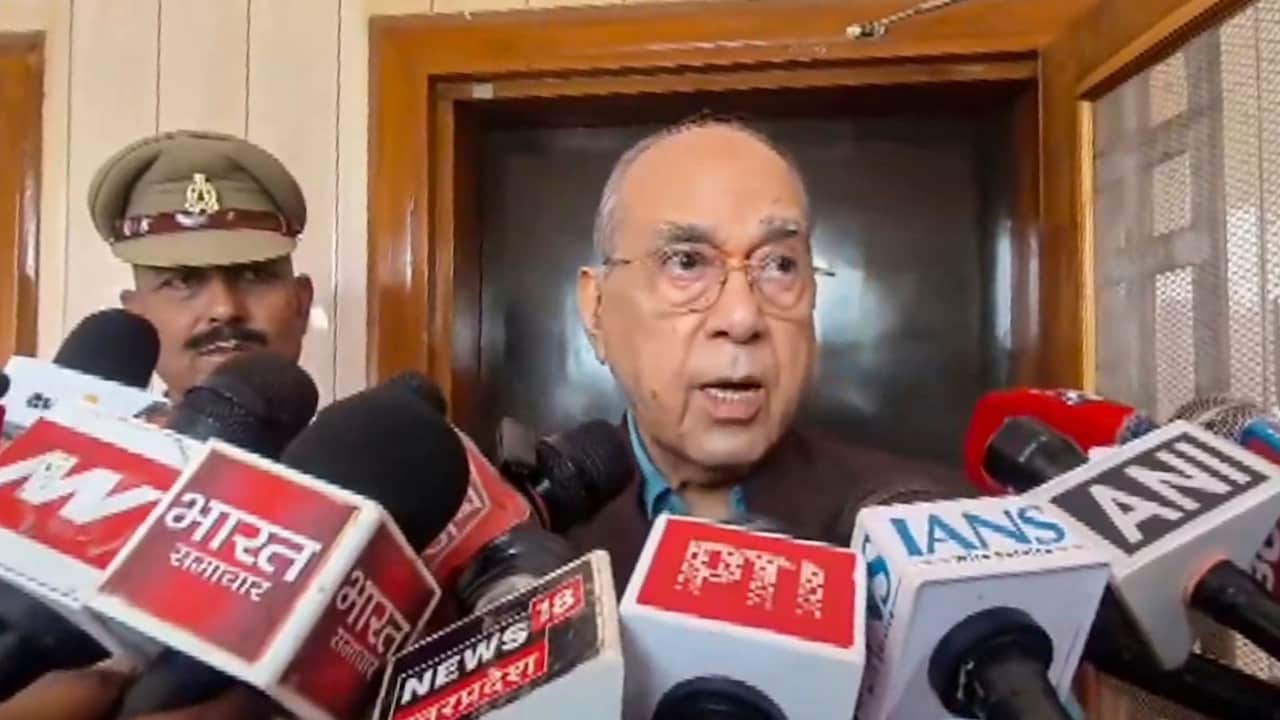
Champat Rai has claimed in an open letter that the Nripendra Misra-led committee approved all decisions during his tenure as Ram Temple trust general secretary. Nripendra Misra has dismissed these allegations as 'made up,' creating a conflict regarding administrative oversight and accountability.
The Ayodhya Administrative Controversy: An Analysis of Recent Allegations
The Core Dispute
The recent discourse surrounding the administration of the Shri Ram Janmabhoomi Temple has taken a contentious turn following an open letter penned by Champat Rai. Rai, who was removed from his position as the general secretary of the trust amid allegations of donation irregularities, has sought to shift the narrative of accountability. He asserts that the construction committee, spearheaded by Nripendra Misra, maintained oversight of all major decisions and played a pivotal role in the appointment of personnel tasked with assisting him during his tenure.
Allegations of Institutional Mismanagement
In his communication, Rai highlights systemic concerns regarding the induction of members into the construction committee. He specifically claims that Nripendra Misra exercised significant discretion in selecting his own team, alleging that some members were largely absent or functionally ineffective—citing one individual who visited Ayodhya only twice in six years, and another whose contributions were confined solely to security-related suggestions. This points to a deeper friction regarding the internal governance structure of the trust and the distribution of authority between the general secretary and the committee chairman.
The Response from Construction Leadership
Nripendra Misra, the chairman of the Ram Temple construction committee, has categorically rejected these assertions. By labeling the allegations as "made up" and stating he has not seen the specific letter mentioned by Rai, Misra has effectively distanced the committee from the claims of administrative impropriety. This denial highlights a sharp divide in the perceived reality of how the monumental project was managed at the executive level.
Broader Implications for the Trust
The controversy underscores the inherent difficulties in managing large-scale, high-visibility religious and infrastructure projects. When allegations of financial or administrative irregularities surface, the resulting internal finger-pointing often threatens to undermine public confidence in the institution. The tension between the trust's administrative arm and the technical construction committee suggests a potential lack of cohesive communication or a breakdown in oversight mechanisms during the critical phases of temple development.
Historical Context and Future Trends
Historically, the management of the Ram Temple project has been subject to immense public and political scrutiny. As the project transitions from construction to long-term operational management, such internal disputes may pose risks to the institutional stability of the trust. Moving forward, the resolution of these allegations will likely serve as a litmus test for the transparency standards of the organization. Observers will be closely watching to see if the trust moves toward more rigorous auditing or if these claims of internal discord lead to further structural changes in the leadership hierarchy.
Multiple Citing Sources
Verification Required?