Akhilesh Yadav Recalls Mulayam Singh's Phone-Tapping Allegations Amid Rahul Gandhi Row
Source Entity
Latest News: Todays Latest News Headlines from India & World | Hindustan Times
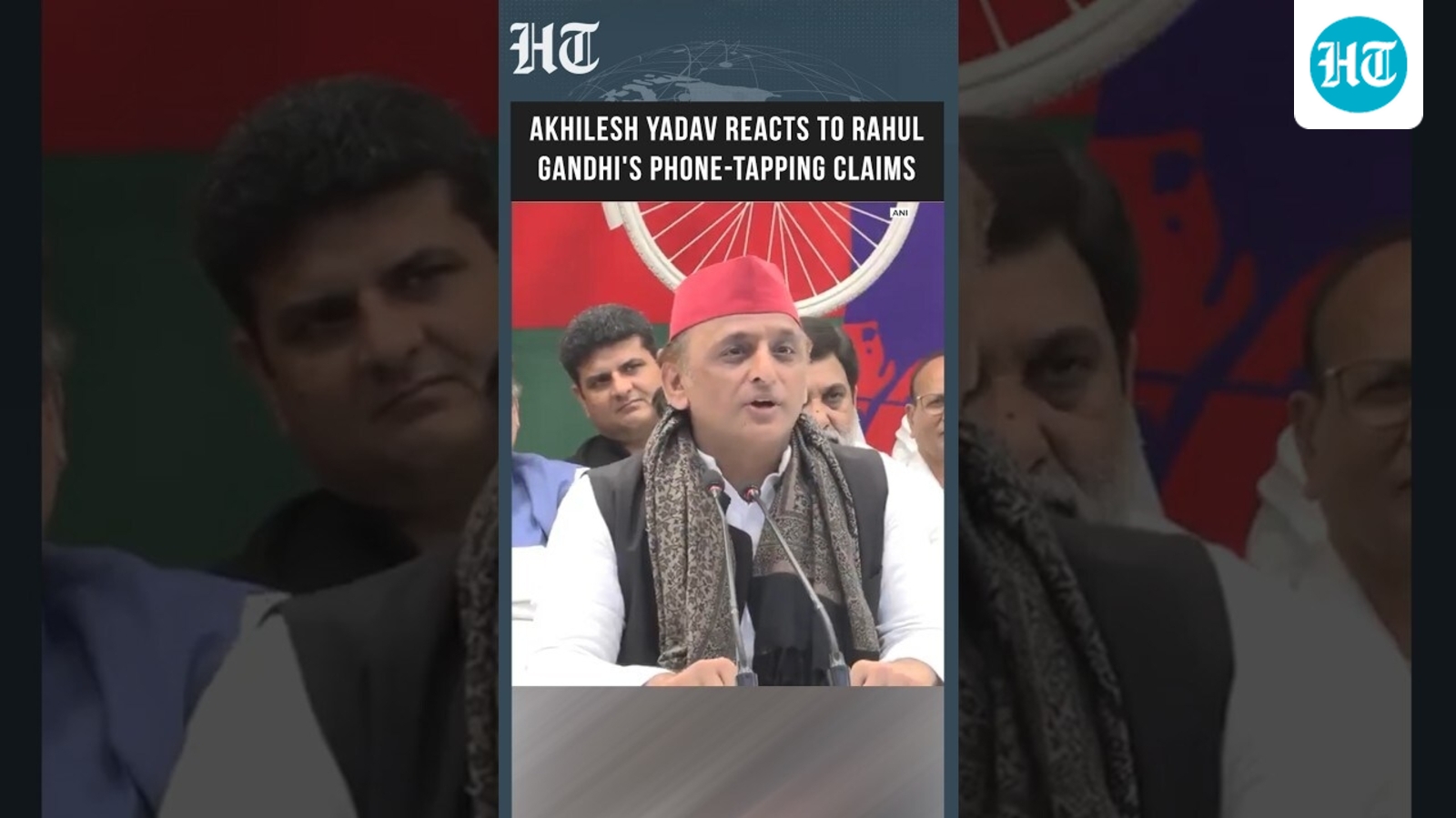
Samajwadi Party leader Akhilesh Yadav has supported Rahul Gandhi's phone-tapping allegations, citing historical precedents from his father, Mulayam Singh Yadav. He warned that modern AI and technological advancements have made surveillance significantly easier and more pervasive.
The Resurfacing of Surveillance Allegations
Samajwadi Party (SP) chief Akhilesh Yadav recently addressed the ongoing political discourse surrounding phone-tapping allegations raised by Congress leader Rahul Gandhi. Speaking in Lucknow, Uttar Pradesh, Yadav framed these concerns not as isolated incidents, but as part of a long-standing pattern of state surveillance that has evolved alongside technological progress. By connecting contemporary claims to historical grievances, Yadav has highlighted the persistent anxiety regarding privacy within the Indian political landscape.
Historical Context and Precedent
To contextualize the current debate, Akhilesh Yadav invoked the legacy of his father, the late Mulayam Singh Yadav, and former party leader Amar Singh. He recalled a significant press conference from the past where both leaders openly alleged that their personal communications were being intercepted by state authorities. By revisiting this narrative, the SP chief is attempting to establish a lineage of surveillance accusations, suggesting that the practice of monitoring political opponents is a recurring theme in national governance rather than a modern novelty.
The Impact of Technological Evolution
Beyond historical references, Yadav emphasized that the nature of surveillance has undergone a radical transformation. He noted that while phone tapping was a known concern in the past, current technological advancements—specifically citing the Pegasus controversy—have exponentially increased the reach and efficacy of such operations. He argued that the barrier to entry for conducting sophisticated surveillance has lowered, making it a more potent tool for those in power.
The Role of Artificial Intelligence
Akhilesh Yadav’s assessment takes a more ominous turn when considering the role of artificial intelligence. He categorized the current state of digital monitoring as "just the tip of the iceberg," suggesting that the integration of AI into surveillance frameworks allows for capabilities that were previously unimaginable. This perspective reflects a growing concern among opposition leaders that the digital age has outpaced existing legal and ethical safeguards designed to protect individual privacy.
Broader Political Implications
This rhetoric serves a dual purpose for the Samajwadi Party. Firstly, it aligns Yadav with the broader opposition coalition, reinforcing a unified front against the current administration on issues of civil liberties. Secondly, it positions the SP as a party that understands the intersection of technology and power, appealing to voters concerned about the erosion of democratic rights in an increasingly digitized society.
Future Trends and Conclusion
Looking ahead, it is clear that surveillance will remain a high-stakes issue in Indian electoral politics. As AI continues to advance, the debate surrounding data privacy, digital ethics, and the accountability of state agencies is likely to intensify. Akhilesh Yadav’s comments serve as a reminder that as long as there is an asymmetry of power, concerns regarding the sanctity of private communication will continue to shape the narrative of political opposition in India.
Verification Required?