Antony Blinken on US midterms, Trump & Iran, America-India ties, economy & AI, And more | HTLS 2026
Source Entity
Latest News: Todays Latest News Headlines from India & World | Hindustan Times
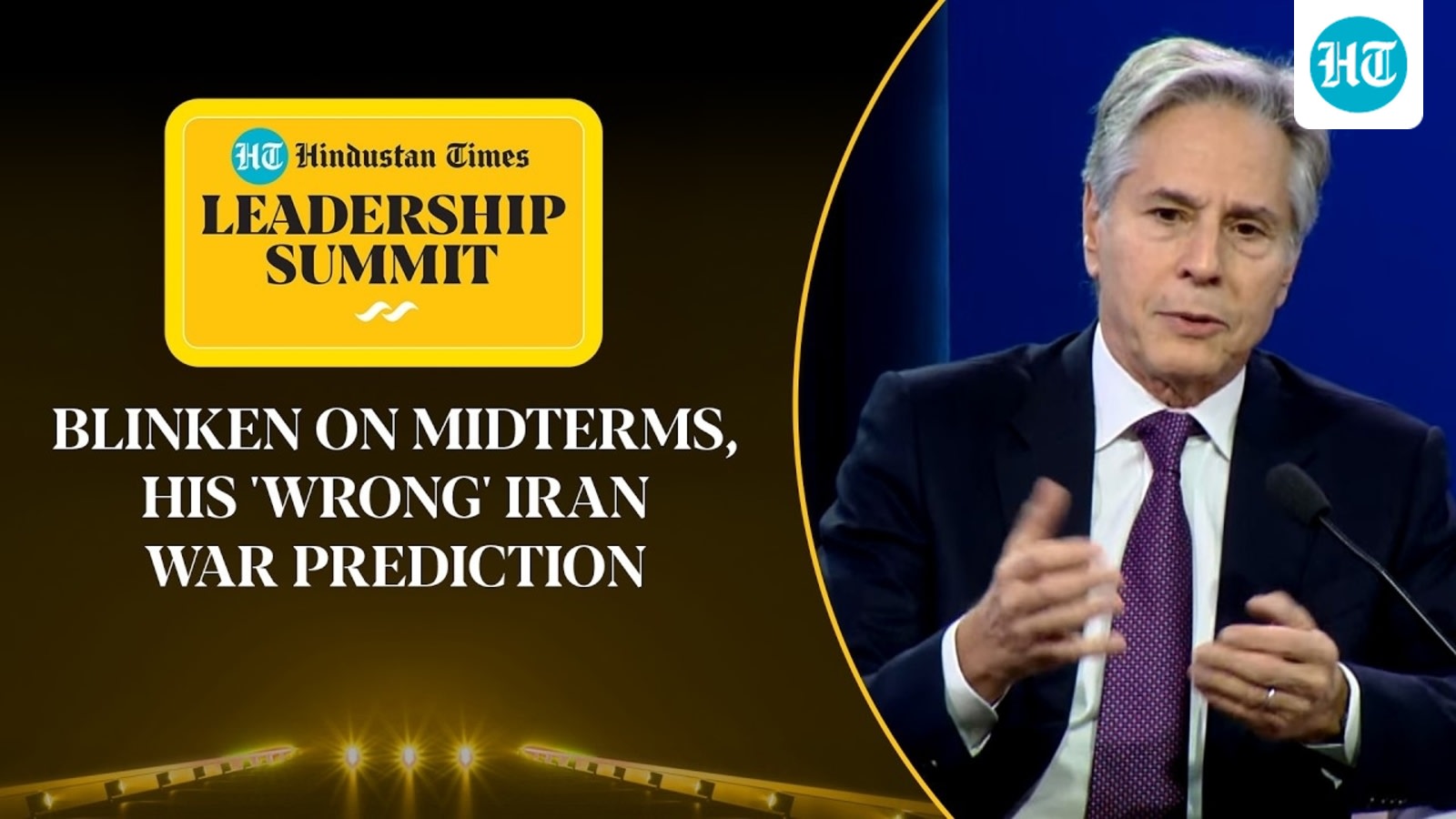
Former US Secretary of State Antony Blinken analyzed the 2026 US midterm results and the ongoing Iran war at the Hindustan Times Leadership Summit. He attributed Republican losses to economic instability and highlighted the complex challenges of seeking a diplomatic resolution with Iran.
Assessing the Geopolitical and Domestic Landscape: Insights from Antony Blinken
At the 2026 Hindustan Times Leadership Summit, former US Secretary of State Antony Blinken provided a critical assessment of the current state of American domestic politics and foreign policy. His analysis centers on the intersection of the ongoing war with Iran and the significant electoral shifts witnessed during the November 3 midterm elections, where the Republican Party suffered losses that exceeded initial expectations.
The Economic Roots of Electoral Discontent
Blinken identifies a profound disconnect between the Trump administration's policy trajectory and the lived reality of American voters. The Republican midterm setback is largely attributed to deep-seated frustration regarding rising living costs and the persistence of inflationary pressures. Despite official data suggesting a slowdown in inflation, the public remains burdened by high prices, a sentiment exacerbated by the administration's tariff policies and the financial strain of the ongoing conflict in Iran.
The Strategic Quagmire of the Iran Conflict
Regarding the war in Iran, Blinken offers a sobering look at the limitations of military intervention. He points to Iran's unique geography—specifically its strategic command over the Strait of Hormuz—and its decentralized, inland weapons production facilities as primary factors that complicate any potential military strategy. These variables suggest that a purely kinetic approach carries an high risk of uncontrollable regional escalation.
Diplomatic Realities and Future Agreements
One of the most significant takeaways from Blinken’s commentary is the potential path toward a resolution. He posits that any future nuclear agreement with Tehran will likely mirror the structure of the original deal from which Donald Trump previously withdrew. This implies that a successful diplomatic off-ramp will necessitate significant concessions to Iran, a move that remains politically fraught within the current US landscape.
Challenges to a Diplomatic Resolution
Blinken admits to previous miscalculations regarding the Trump administration’s willingness to leverage market forces, munitions pressure, or midterm electoral incentives to conclude the war. His current outlook is defined by uncertainty; while he advocates for a diplomatic solution to avoid further escalation, he remains skeptical of whether President Trump possesses the political will or strategy to pursue such an end to hostilities.
Conclusion: A Nation at a Crossroads
Ultimately, Blinken’s analysis paints a picture of a nation grappling with the consequences of its foreign and economic policies. The convergence of domestic dissatisfaction—rooted in perceptions of corruption and unfulfilled promises—and the strategic complexity of the Iran war suggests that the remainder of the current administration's term will be defined by a difficult search for balance. Whether the administration shifts toward diplomacy or continues its current course remains the central question for the future of American security and economic stability.
Multiple Citing Sources
Verification Required?